

Finding the right clothes for sensory-sensitive kids can feel like an impossible puzzle. You buy what looks comfortable, but somehow your child still struggles with meltdowns, refuses to get dressed, or constantly tugs at their clothes throughout the day.
The truth? Most parents unknowingly make simple mistakes when choosing sensory clothing. These aren't your fault: regular clothing stores don't teach us what to look for. But once you know what to avoid, shopping for your sensory kid becomes so much easier.
Here are the 7 most common mistakes parents make, plus simple fixes that actually work.
Mistake #1: Choosing Clothes with Tags (Even "Soft" Ones)
The Problem: Tags are the #1 trigger for most sensory kids. Even those tiny "soft" tags feel like sandpaper when your child's nervous system amplifies every sensation. Your child might scratch at tags, refuse to wear certain shirts, or have complete meltdowns over a small piece of fabric.
The Fix: Go completely tagless. Not "soft tags" or "tear-away tags": zero tags anywhere on the garment.
At Anchor Apparel, we print size and care information directly on the fabric instead of using any tags. It's one of those simple solutions that makes a huge difference in your child's daily comfort.
Mistake #2: Ignoring Seam Placement and Construction
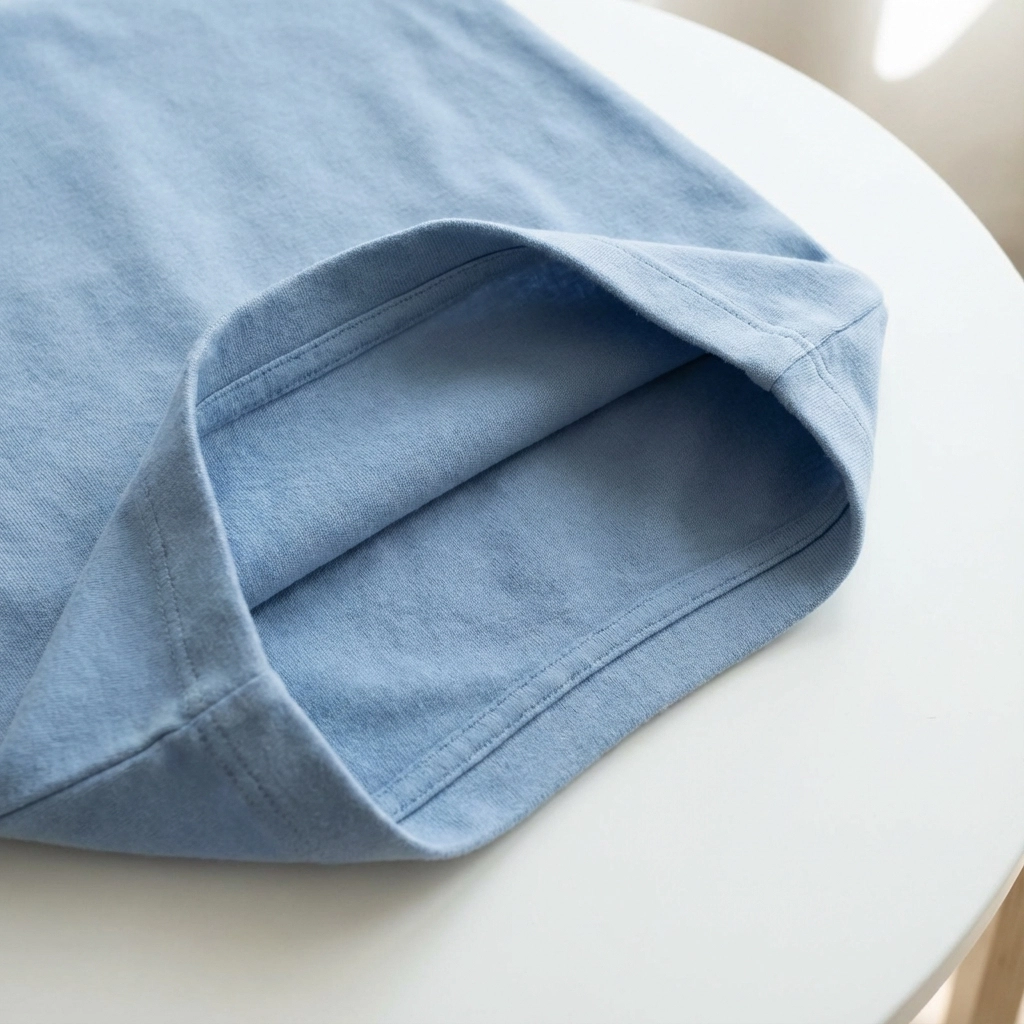
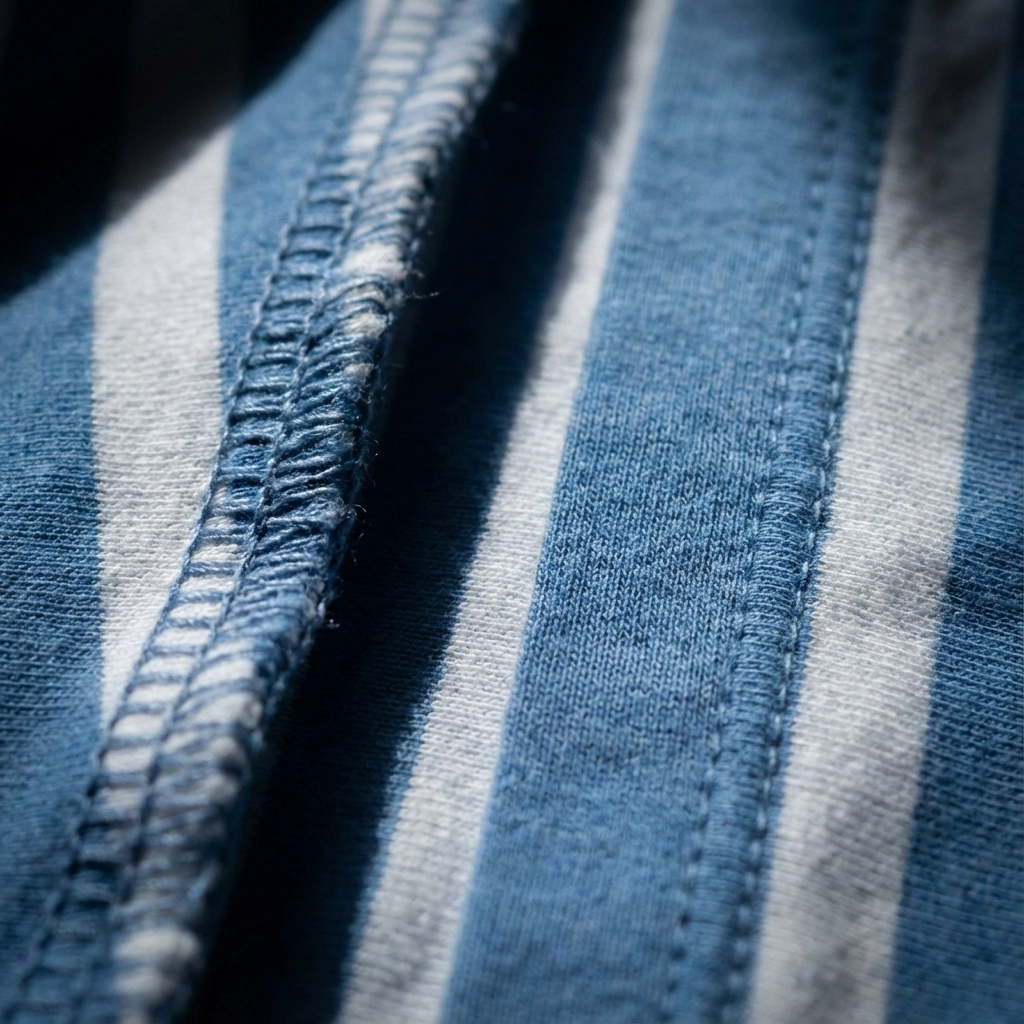
The Problem: Thick, raised seams feel like "small ropes" pressing against sensitive skin. The worst spots? Shoulders, underarms, and anywhere seams rub during movement. Traditional clothing construction prioritizes durability over sensory comfort.
The Fix: Look for flat-seam construction or seams placed in low-friction areas.
Regular seams are sewn with two pieces of fabric overlapping, creating bulk. Flat seams lay completely smooth against the skin. Some companies also strategically place seams away from high-friction zones.
Mistake #3: Assuming All "Soft" Fabrics Are Actually Soft
The Problem: Not all cotton feels the same. Some cotton blends become stiff after washing. Synthetic fabrics might feel smooth initially but trap heat and moisture. Fuzzy textures like fleece can feel scratchy rather than cozy.
The Fix: Focus on specific fabric qualities, not just material type.
Look for:
- Bamboo blends (naturally antimicrobial and temperature-regulating)
- Modal or Tencel (silky-smooth feel)
- High-quality cotton with stretch
- Moisture-wicking properties
Avoid:
- Rough cotton blends
- Polyester that doesn't breathe
- Anything described as "textured" or "fuzzy"
- Fabrics that feel stiff when you touch them in the store
Mistake #4: Getting the Fit Wrong (Too Tight OR Too Loose)
The Problem: This one surprises parents. You might think loose clothing is always better for sensory kids, but clothes that are too loose create constant shifting and friction. Too tight, and you're creating pressure points and restriction.
The Fix: Look for adaptive fits that move with your child's body.
The ideal sensory clothing has gentle stretch that hugs without squeezing. Think yoga-pant comfort in everyday clothes. Your child should be able to move freely without fabric bunching or pulling.
Many parents find success with compression-style tops and bottoms that provide gentle, even pressure without feeling restrictive.
Mistake #5: Buying Clothes That Can't Be Worn Inside-Out
The Problem: Many sensory kids instinctively want to flip their shirts inside-out to avoid seams. But most regular clothes look messy or have exposed tags when reversed.
The Fix: Choose reversible designs or clothes that look acceptable either way.
Some companies specifically design clothes to work inside-out. Others use construction methods that make seams equally comfortable on both sides.
At Anchor Apparel, our stealth sensory design means clothes look and feel great whether worn normally or inside-out: giving your child the control they need.
Mistake #6: Overlooking Self-Dressing Features
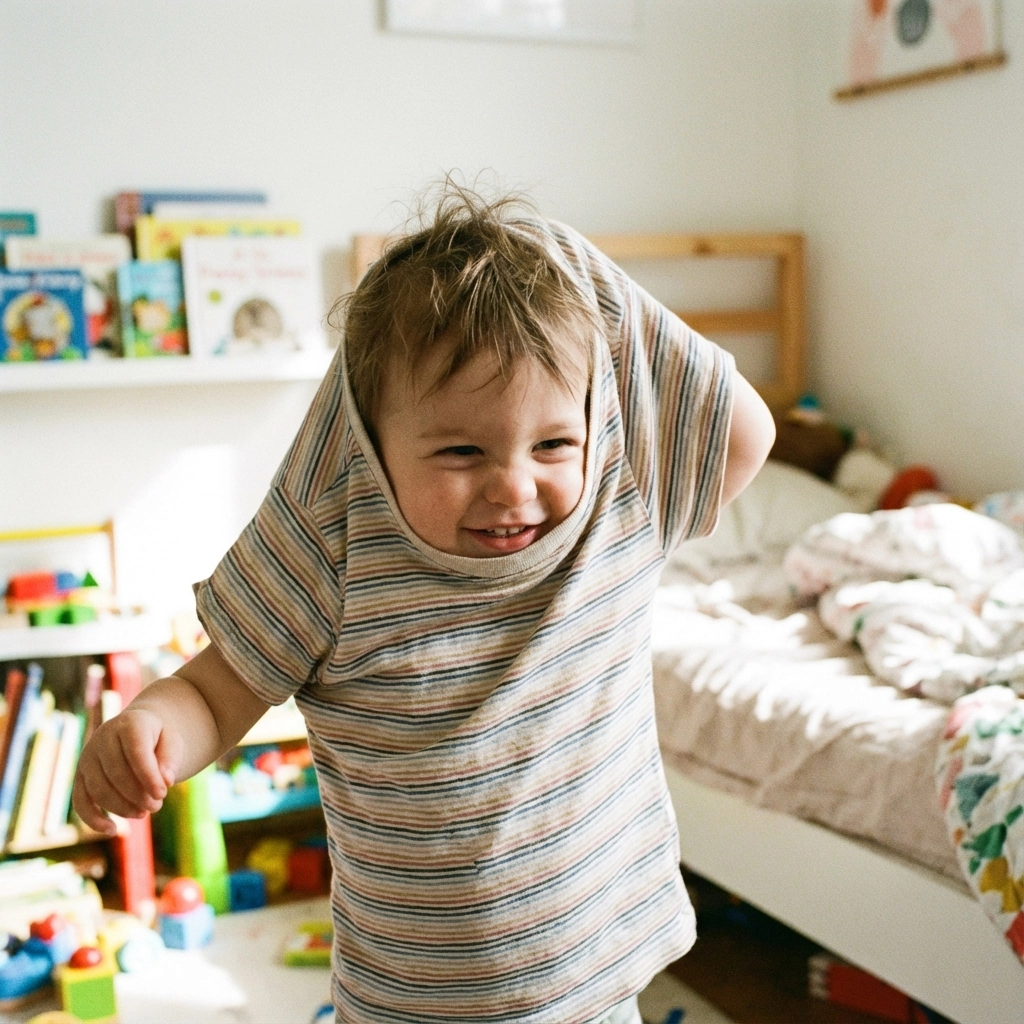
The Problem: Tiny sleeves, stiff necklines, complicated waistbands, and multiple layers make getting dressed frustrating. This is especially challenging for kids developing fine motor skills or those who get overwhelmed by multi-step processes.
The Fix: Choose clothes that support independence.
Look for:
- Wide, stretchy necklines that slip on easily
- Sleeves with enough room for arms to slide through smoothly
- Elastic waistbands instead of buttons or zippers
- Minimal layers and uncomplicated designs
Independence in dressing builds confidence and reduces daily stress for the whole family.
Mistake #7: Choosing Visually Overwhelming Designs
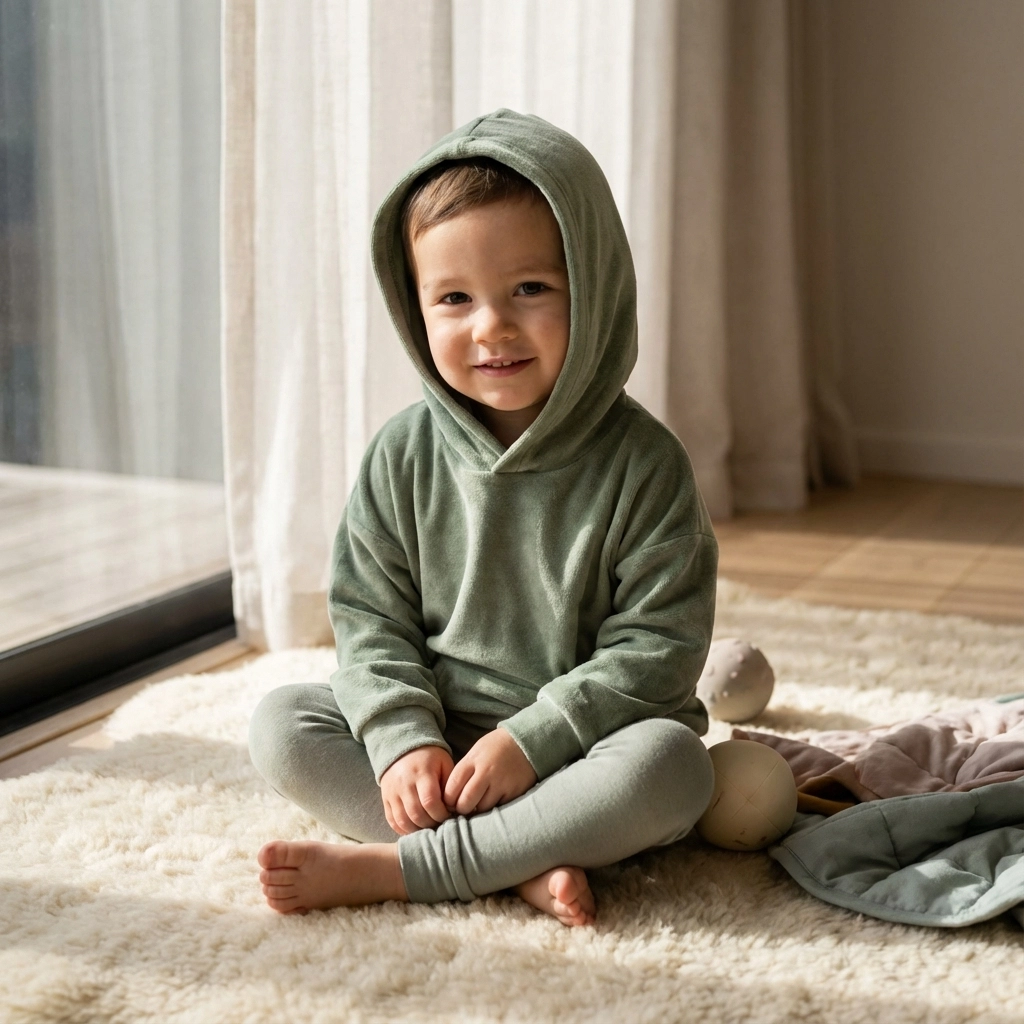
The Problem: Busy patterns, bold graphics, and complex textures can overstimulate kids who are already managing sensory input all day. Even if the fabric feels good, visual chaos can create stress.
The Fix: Stick to simple, calm designs.
This doesn't mean boring! You can find plenty of stylish options in:
- Solid colors
- Simple stripes or patterns
- Subtle textures
- Calming color palettes
Many sensory kids prefer predictable, organized visual designs that don't compete for their attention.
The Hidden Cost of These Mistakes
When clothes feel wrong, everything else becomes harder. Your child might:
- Struggle to focus at school because they're distracted by uncomfortable seams
- Have meltdowns that seem to come from nowhere (but are actually clothing-related)
- Develop negative associations with getting dressed
- Feel different from their peers if they need "special" medical-looking clothes
The good news? Small changes in how you shop for clothes can eliminate most of these issues.
What Makes Sensory Clothing Different?
True sensory clothing isn't just soft: it's engineered for comfort. The best options:
- Use flat-seam construction throughout
- Choose fabrics that maintain softness wash after wash
- Design with hidden sensory features that don't look medical
- Test extensively with sensory-sensitive kids and families
- Focus on details that regular clothing companies miss
Quick Shopping Checklist
Before buying any clothing for your sensory child, ask:
✅ Tags: Completely tagless?
✅ Seams: Flat construction or strategically placed?
✅ Fabric: Soft to touch and breathable?
✅ Fit: Comfortable stretch without being too loose or tight?
✅ Design: Can it be worn inside-out if needed?
✅ Independence: Easy for my child to put on themselves?
✅ Visual: Simple, non-overwhelming design?
Making the Switch
You don't have to replace your child's entire wardrobe overnight. Start with one or two pieces that follow these guidelines. Let your child be part of the process: they often know instinctively what feels good.
Pay attention to which clothes your child reaches for repeatedly. Those are your clues about what works for their specific sensory needs.
Remember, every child's sensory profile is different. What bothers one kid might not affect another. But avoiding these common mistakes gives you a much better starting point for finding clothes that actually work.
The goal isn't perfect: it's progress. When your child feels comfortable in their clothes, everything else gets a little easier.