
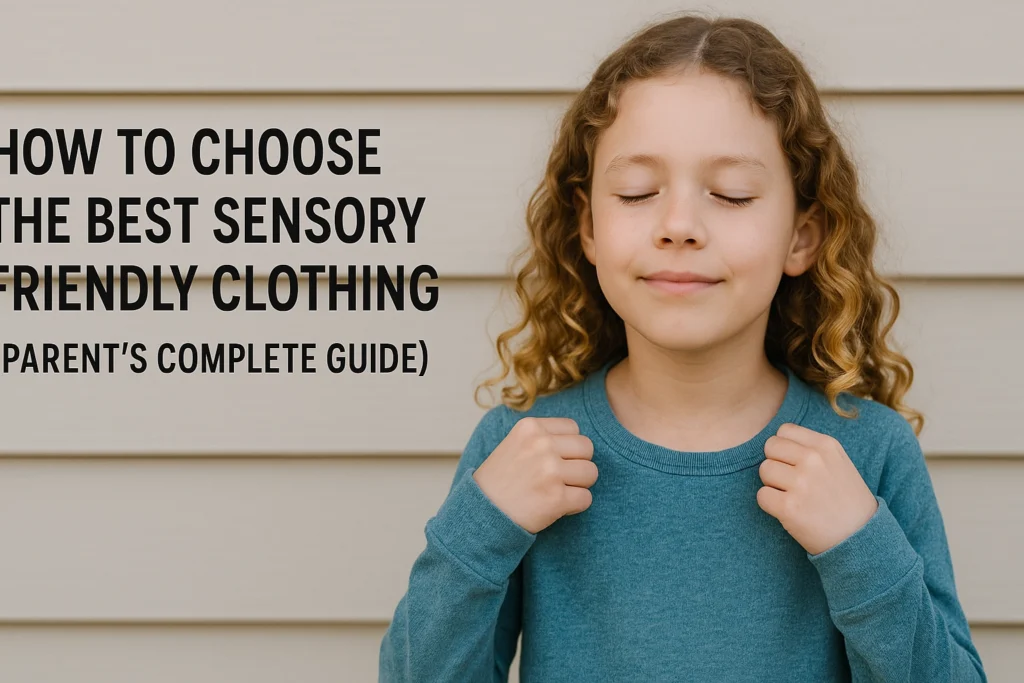
If you're a parent of a child with sensory sensitivities, you know that getting dressed can quickly turn into a daily battle. Tags feel like sandpaper, seams rub the wrong way, and certain fabrics cause instant meltdowns. You're not alone, and there's a solution.
Sensory friendly clothing is designed specifically to eliminate these common irritants that make getting dressed stressful for kids with autism, ADHD, SPD, or other sensory processing differences. The right clothing choices can transform your morning routine from chaos to calm.
This guide will walk you through everything you need to know about choosing sensory clothing that actually works for your child.
Understanding Your Child's Sensory Needs
Before diving into specific clothing features, it's important to understand that every child's sensory needs are different. Some kids are hypersensitive to touch (tactile defensive) and need the softest, loosest clothing possible. Others are hyposensitive and actually crave deep pressure or tight-fitting clothes.
Watch your child's reactions to different textures, fits, and clothing features. Do they constantly pull at their sleeves? Complain about tags? Prefer the same outfit every day? These behaviors are clues about what they need from their clothing.
Many children also have specific preferences about temperature regulation, needing clothes that keep them cool or provide extra warmth. Understanding these individual needs will guide every clothing decision you make.
The Foundation: Choosing the Right Materials
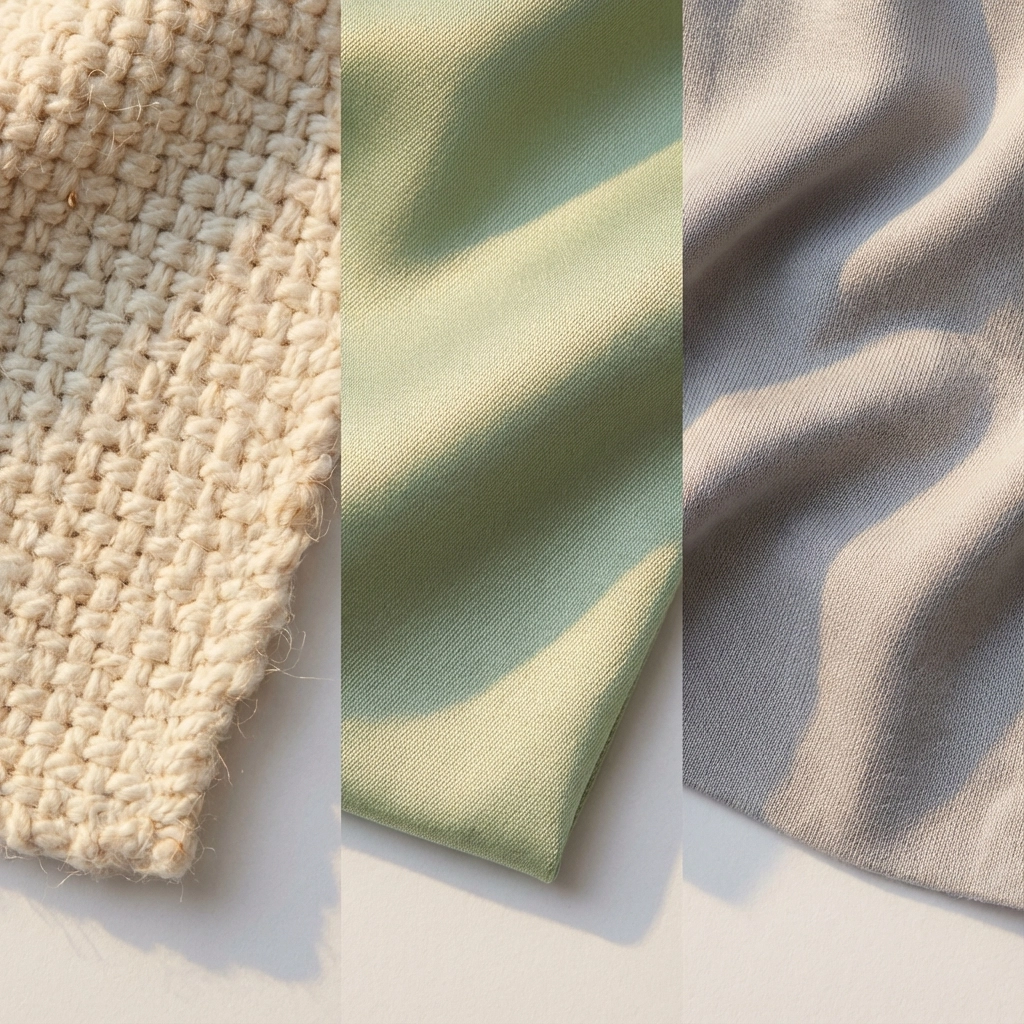
The fabric is everything when it comes to sensory friendly clothing. The wrong material can make even the best-designed garment unwearable for a sensitive child.
Best Fabric Choices:
Organic Cotton remains the gold standard for sensory clothing. It's naturally soft, breathable, and gets softer with each wash. Look for 100% organic cotton when possible, as conventional cotton can be treated with chemicals that irritate sensitive skin.
Bamboo Fabric is incredibly soft and has natural moisture-wicking properties. It's also naturally antibacterial and temperature-regulating, making it perfect for kids who overheat easily.
Modal offers an ultra-soft texture with excellent drape. It's made from beech trees and maintains its softness even after multiple washes.
Merino Wool might seem counterintuitive, but high-quality merino is actually very soft and naturally temperature-regulating. It's great for kids who struggle with temperature sensitivity.
Fabrics to Avoid:
- Stiff denim or canvas materials
- Synthetic blends that don't breathe well
- Anything with a rough or scratchy texture
- Fabrics treated with harsh chemicals or flame retardants
Remember that fabric softness often improves with washing, so don't dismiss a garment completely if it feels slightly rough when new.
Essential Design Features That Make a Difference
The construction details of sensory clothing are just as important as the fabric choice. These features can make or break a garment's wearability for your child.
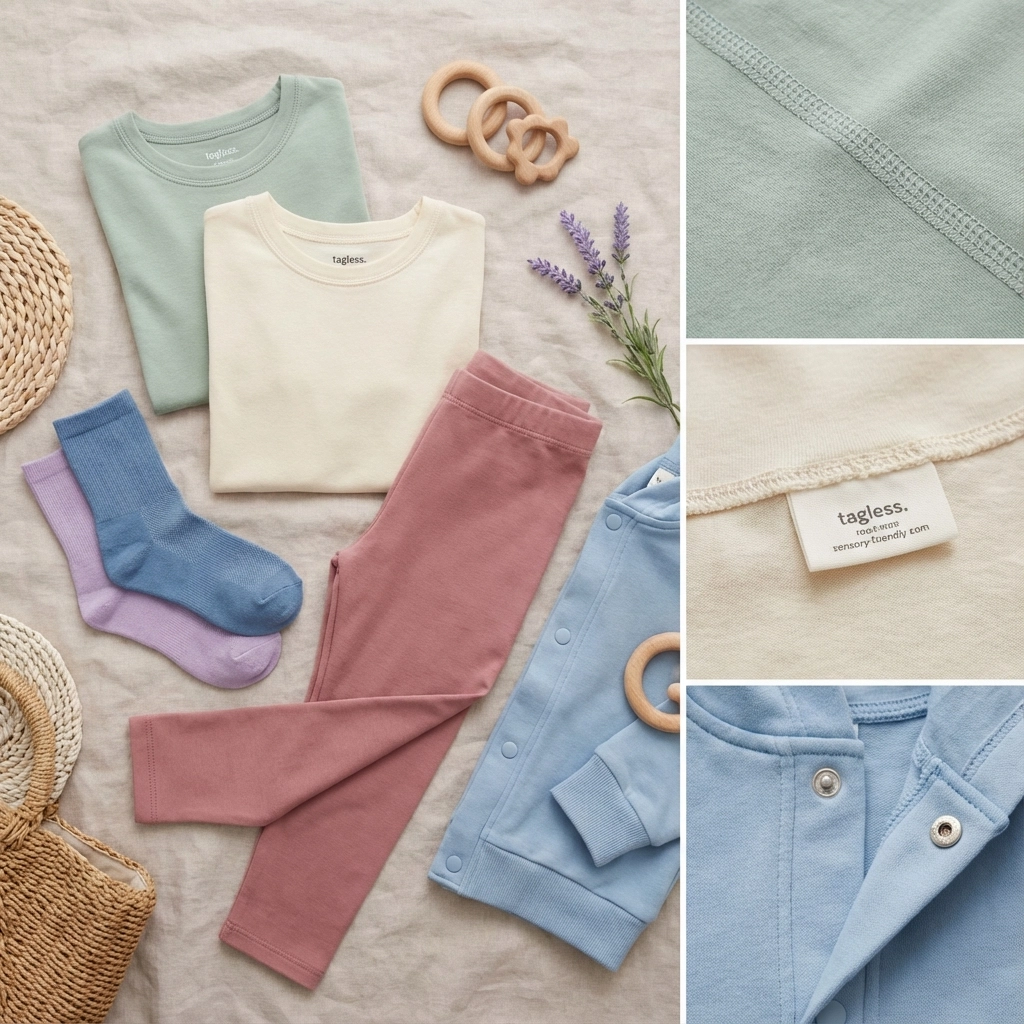
Seamless or Flat Seam Construction
Traditional raised seams can feel like ridges against sensitive skin. Look for clothing with:
- Completely seamless construction (especially in undergarments)
- Flat seams that lie smooth against the body
- Inverted seams that face outward instead of inward
Tagless Design
Nothing ruins a comfortable shirt faster than a scratchy tag. The best sensory clothing features:
- Printed labels instead of sewn-in tags
- Completely tagless design
- Heat-transferred size and care information
Easy Closure Systems
Many children with sensory issues also struggle with fine motor skills, making traditional buttons and zippers challenging. Look for:
- Magnetic closures that snap together easily
- Velcro fastenings for shoes and some clothing
- Elastic waistbands instead of belts or traditional waistbands
- Pull-on styles that eliminate the need for closures entirely
Getting the Fit Right
The fit of sensory clothing depends entirely on your child's individual preferences and needs. This is where understanding their sensory profile becomes crucial.
For Children Who Prefer Loose Clothing:
These kids typically have tactile defensiveness and need clothes that barely touch their skin. Look for:
- Relaxed fits with room to move
- Soft, flowing fabrics that don't cling
- Longer shirts that can be tucked in to avoid riding up
- Sizes that may be larger than your child's typical size
For Children Who Prefer Tight Clothing:
Some children crave deep pressure input and actually feel more comfortable in snug-fitting clothes. Consider:
- Compression shirts and leggings
- Fitted styles that provide gentle pressure
- Weighted clothing items like hoodies with built-in weight
- Layers that can be added or removed as needed
Universal Fit Considerations:
Regardless of preference, avoid clothing that:
- Restricts movement or feels binding
- Has tight elastic that leaves marks
- Pulls or tugs when your child moves
- Requires constant adjustment throughout the day
Special Considerations for Different Clothing Items
Undergarments
These are the foundation of your child's comfort since they're worn closest to the skin. Prioritize:
- Seamless construction
- Tagless design
- Soft, breathable materials
- Proper fit that doesn't bind or bunch
Socks
Socks can be particularly challenging for children with sensory issues. Look for:
- Seamless toe construction
- Flat or no heel seams
- Soft, non-binding cuffs
- Moisture-wicking materials
- The right thickness for your child's shoe fit
Outerwear
Jackets and coats need special attention since they're often worn over other clothes:
- Smooth interior linings
- Easy-to-use zippers or snaps
- Lightweight options that don't feel bulky
- Hoods that don't pull or feel restrictive
Making the Transition to Sensory Friendly Clothing
Switching to sensory friendly clothing doesn't have to happen overnight. In fact, a gradual transition often works better for children who are resistant to change.
Start Small
Begin with one or two pieces that address your child's biggest clothing complaints. If tags are the main issue, start with a few tagless shirts. If tight socks cause daily meltdowns, invest in seamless socks first.
Let Your Child Choose
When possible, involve your child in the selection process. Let them feel different fabrics and choose between acceptable options. This gives them some control over their comfort.
Allow Extra Time
Don't rush the dressing process, especially when introducing new sensory friendly pieces. Give your child time to adjust to how the clothing feels and fits.
Keep Favorites Available
If your child has one shirt they love and want to wear every day, consider buying multiples. Having backup copies reduces stress for everyone.
Where to Find Quality Sensory Friendly Clothing
The market for sensory clothing has grown significantly, giving parents more options than ever before.
Specialized Brands
Many companies now focus exclusively on sensory friendly and adaptive clothing. These brands understand the specific needs of sensory-sensitive children and design accordingly.
Mainstream Options
Major retailers have begun offering sensory friendly lines, making these clothes more accessible and affordable. Target, for example, has an adaptive clothing line with tagless designs and easy closures.
Online Communities
Parent groups and online forums can be great resources for recommendations. Other parents often share which specific brands and items have worked well for their children.
Building a Sensory Friendly Wardrobe
Creating a complete wardrobe of sensory friendly clothing takes time and patience, but it's worth the investment for your child's comfort and your family's peace of mind.
Start with the basics: comfortable underwear, a few soft shirts, and well-fitting pants. Gradually add seasonal items, outerwear, and special occasion clothes as needed.
Remember that children's sensory needs can change over time. What works now might not work in six months, so be prepared to adapt and try new options as your child grows.
The goal isn't perfection: it's finding clothing that allows your child to feel comfortable and confident throughout their day. When clothing battles become a thing of the past, both you and your child can focus on the more important things in life.
Every small step toward better sensory clothing is a victory. Your child deserves to feel comfortable in their own skin, and the right clothing choices can make all the difference in helping them achieve that comfort.