
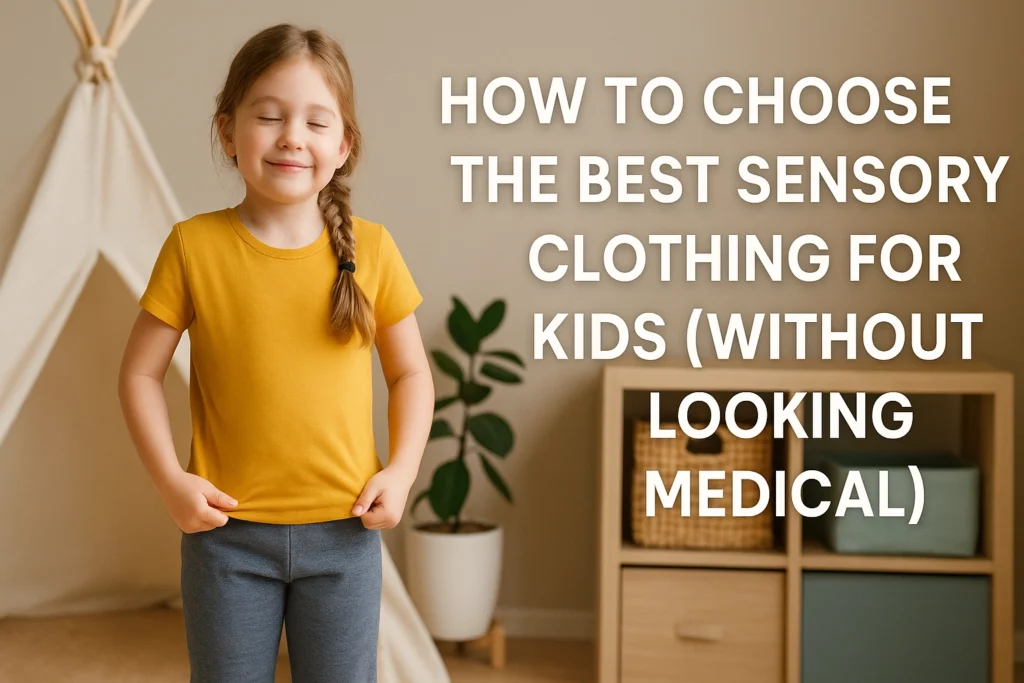
Finding the right sensory clothing for your child can feel like an impossible puzzle. You want something that actually helps with their sensory needs, but you also want them to look like every other kid on the playground. The good news? You don't have to choose between function and style anymore.
Understanding What Your Child Really Needs
Before diving into shopping, it's important to recognize the specific sensory challenges your child faces. Many parents focus solely on their child's needs, but sensory processing differences can actually run in families. While you're observing your child's responses to different textures and fits, consider whether you've noticed similar patterns in yourself or other family members.
Adult Sensory Processing Disorder Checklist signs include difficulty with clothing textures, becoming overwhelmed in busy environments, sensitivity to lights or sounds, and trouble with transitions. Recognizing these patterns can help you better understand your child's needs and make more informed clothing choices.
The key is watching how your child responds to different fabrics, seams, and clothing fits throughout the day. Do they constantly adjust their shirt? Pull at tags? Refuse certain materials? These behaviors are your roadmap to finding the right sensory friendly clothing.
The Secret to "Normal-Looking" Sensory Clothing
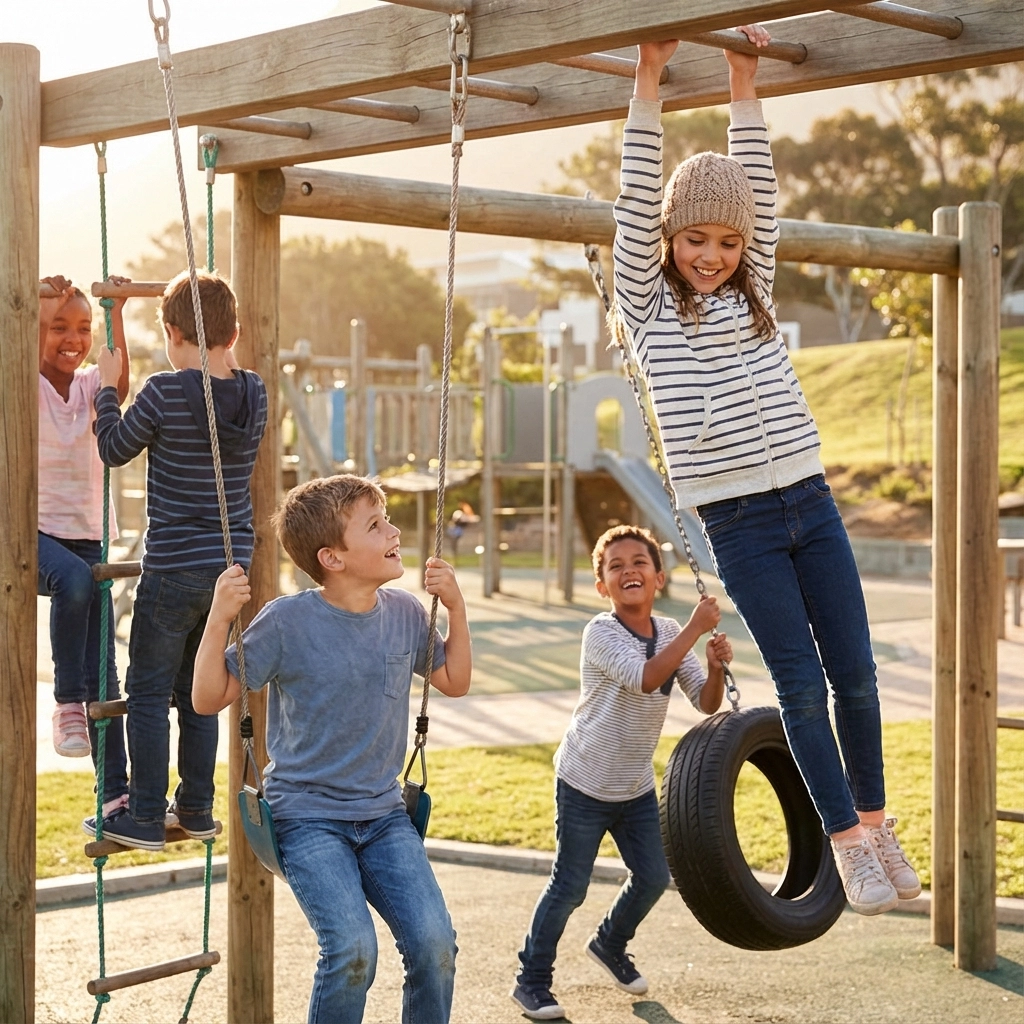
The best sensory clothing for kids doesn't scream "special needs." Instead, it quietly incorporates sensory-friendly features into designs that look just like regular clothes. Here's what to look for:
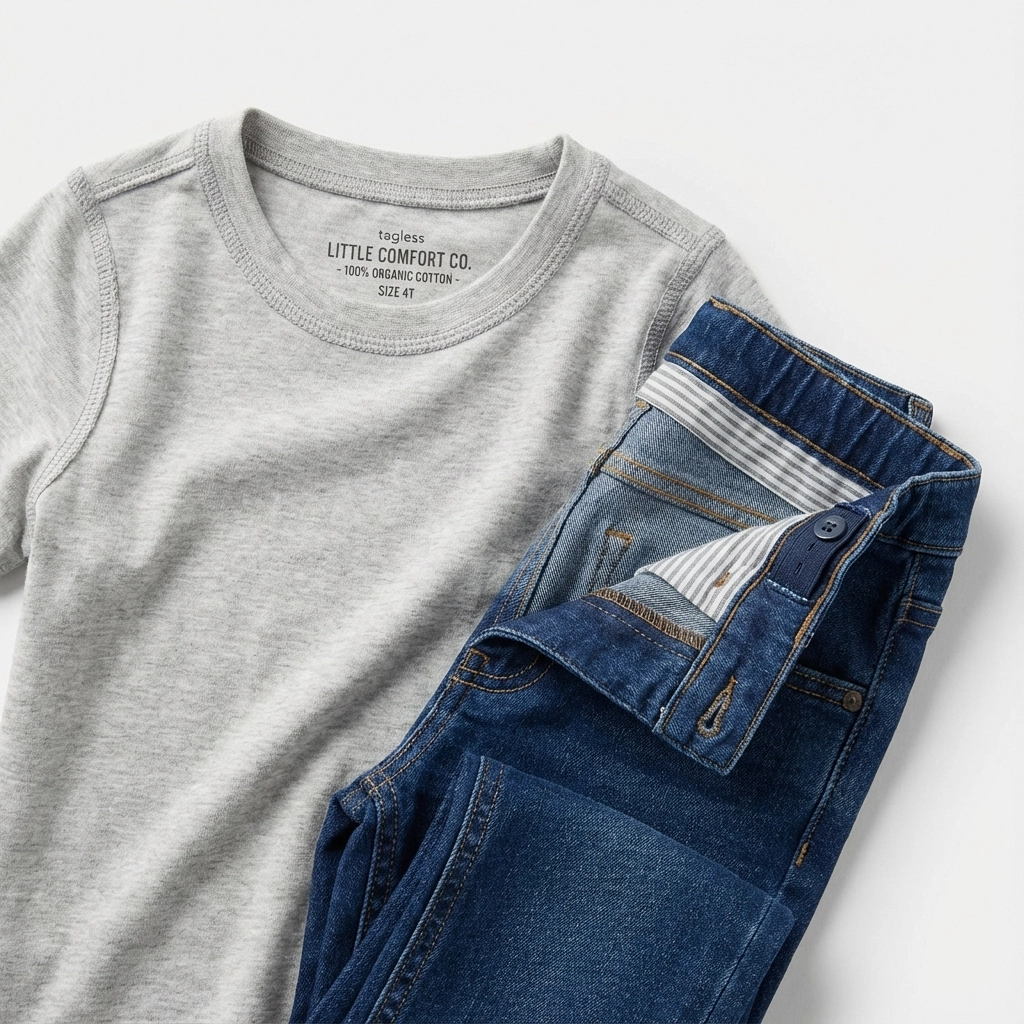
Seamless or Flat Seams: Instead of bulky side seams, look for clothes with flat-felled seams or seamless construction. Many athletic brands now use this technique in their regular kids' lines.
Tagless Labels: This is becoming standard in many mainstream clothing brands, so you won't sacrifice style for comfort.
Natural Fiber Blends: Cotton-bamboo or cotton-modal blends offer the softness and breathability sensory-sensitive kids need while looking completely typical.
Hidden Weighted Elements: Some companies now make weighted clothing for sensory processing that incorporates weights into regular-looking hoodies, vests, or jackets. The weight is distributed so evenly that other kids won't notice anything different.
Smart Shopping Strategies
Start with Mainstream Brands: Many regular clothing companies now make sensory-friendly lines. Target, Gap Kids, and other popular retailers offer tagless, seamless options that blend perfectly with typical kids' wardrobes.
Check the Inside First: Before considering how cute an outfit looks, flip it inside out. Are the seams soft? Is there excess fabric or rough edges? Your child will feel these details all day long.
Test the Stretch: Clothing for sensory challenges should move with your child, not against them. Good sensory clothing has enough stretch to allow comfortable movement without being too loose or restrictive.
Consider Layering Options: A comfortable base layer can make almost any outfit work. A soft, seamless undershirt can help your child tolerate a beloved but slightly scratchy superhero t-shirt.
Weighted Options That Don't Look Medical
Weighted clothing for sensory processing has come a long way from the obvious, clinical-looking vests of the past. Today's options include:
Weighted Hoodies: These look exactly like regular sweatshirts but have small weights sewn into the interior pockets. Perfect for school or casual wear.
Stealth Stimming Clothes: Clothing with built-in fidget elements like textured cuffs, hidden stress balls in pockets, or subtle sensory strips that kids can touch throughout the day.
Weighted Blanket Hoodies: These combine the comfort of a weighted blanket with the practicality of everyday clothing. Most people won't notice they're anything special.
Non-Medical Weighted Vests: New designs look more like fashionable vests or structured tanks rather than obvious therapy equipment.
Family Considerations and Stress Management
Shopping for sensory clothing can be stressful for the whole family. Many parents find their own stress levels spike when trying to balance their child's needs with social concerns. Learning how to manage cortisol spikes at work and in daily life becomes crucial when you're already dealing with the extra challenges of sensory processing differences.
Simple stress management techniques like deep breathing, regular movement breaks, and maintaining realistic expectations can help the entire family navigate clothing challenges more smoothly. Remember, finding the perfect outfit might take time, and that's completely normal.

Practical Tips for Every Shopping Trip
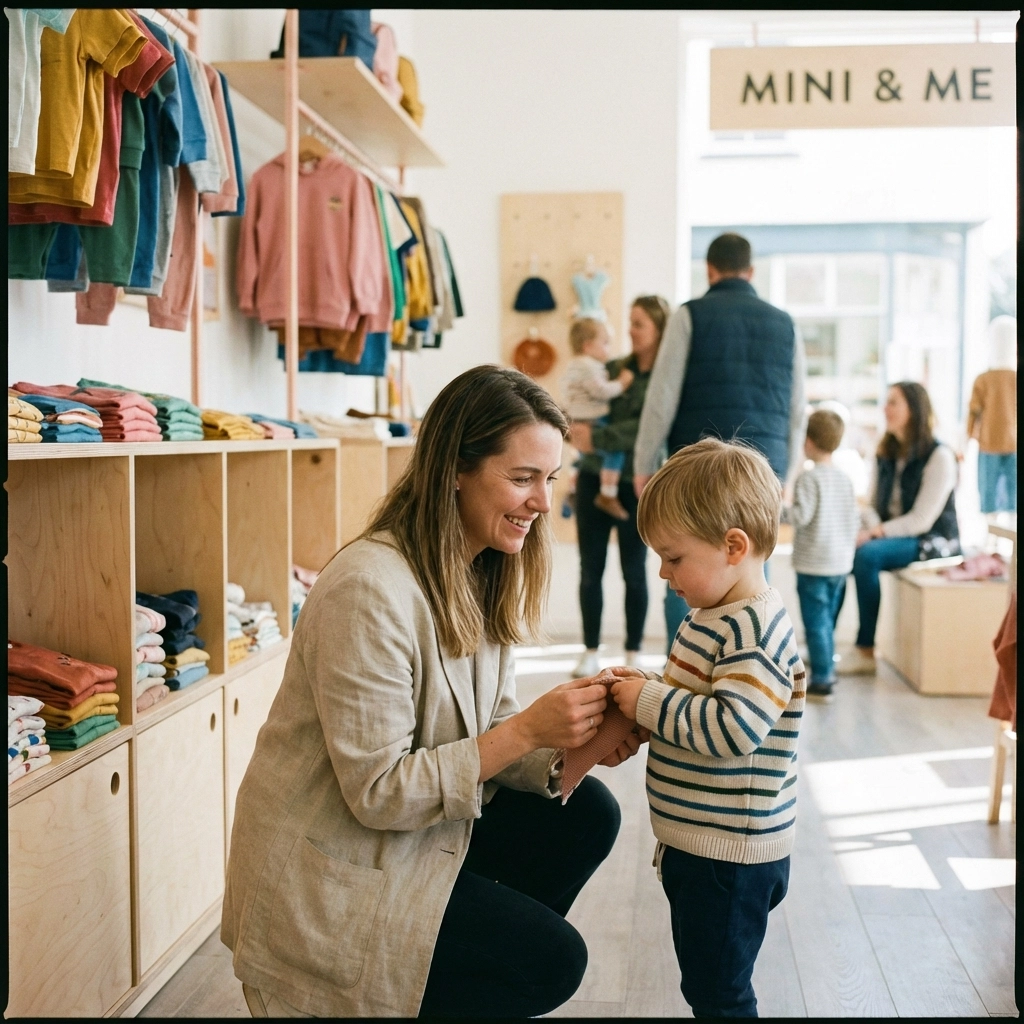
Bring Sensory Samples: Let your child touch fabric samples before committing to full outfits. Many stores will let you feel materials if you ask politely.
Shop During Off-Peak Hours: Busy stores can be overwhelming for sensory-sensitive kids. Early morning or weekday shopping trips are often calmer.
Have a Backup Plan: Bring a comfort item or preferred clothing piece for your child to touch if they become overwhelmed during shopping.
Start Small: Don't overhaul an entire wardrobe at once. Start with one or two pieces and see how they work before investing in more.
Building a Sensory-Friendly Wardrobe
Foundation Pieces: Start with comfortable basics like soft t-shirts, stretchy leggings or jeans, and seamless underwear. These pieces should feel like a second skin.
Layering Champions: Cardigans, light jackets, and zip-up hoodies give kids control over their sensory input throughout the day.
Activity-Specific Options: Consider different sensory needs for different activities. School clothes might need to be calming, while playground clothes might need to provide more sensory input.
Seasonal Adaptations: Summer calls for breathable, lightweight fabrics, while winter might be perfect for slightly weighted sweaters that provide comforting pressure.
Making It Work at School
Communicate with Teachers: Let your child's teacher know about any special clothing considerations without making it seem medical or problematic. Frame it as "comfort preferences" rather than "special needs."
Emergency Kit: Keep a backup comfortable shirt or sweater at school for difficult sensory days.
Dress Code Solutions: Work with school administrators to find sensory-friendly options that still meet dress code requirements. Many schools are surprisingly accommodating when approached respectfully.
Long-Term Success Strategies
Involve Your Child: As kids get older, teach them to recognize their own sensory preferences. This builds self-advocacy skills that will serve them throughout life.
Stay Flexible: Sensory needs can change as children grow and develop. What works today might not work next year, and that's perfectly normal.
Build Confidence: When kids feel comfortable in their clothes, they feel confident in themselves. This comfort shows in their posture, interactions, and overall demeanor.
Plan Ahead: Keep a list of brands, stores, and specific items that work well for your child. This makes future shopping much easier.
Remember, the goal isn't to hide or change your child's sensory needs. It's to meet those needs while helping them feel confident and comfortable in any social situation. The right sensory clothing should be so comfortable and natural-looking that your child forgets they're wearing anything special at all.
With patience and the right approach, you can build a wardrobe that supports your child's sensory needs while helping them look and feel like themselves. The key is remembering that comfortable clothing for autism and other sensory differences doesn't have to look different from what any other child might wear.