

Finding the right clothes for kids with sensory sensitivities can feel like solving a puzzle with missing pieces. You think you've found the perfect shirt, only to watch your child refuse to wear it after five minutes. Sound familiar?
The truth is, most parents make the same seven mistakes when shopping for sensory-friendly clothing. The good news? Once you know what to avoid, shopping becomes so much easier. Let's dive into these common pitfalls and how to fix them.
Mistake #1: Ignoring Those Pesky Clothing Tags
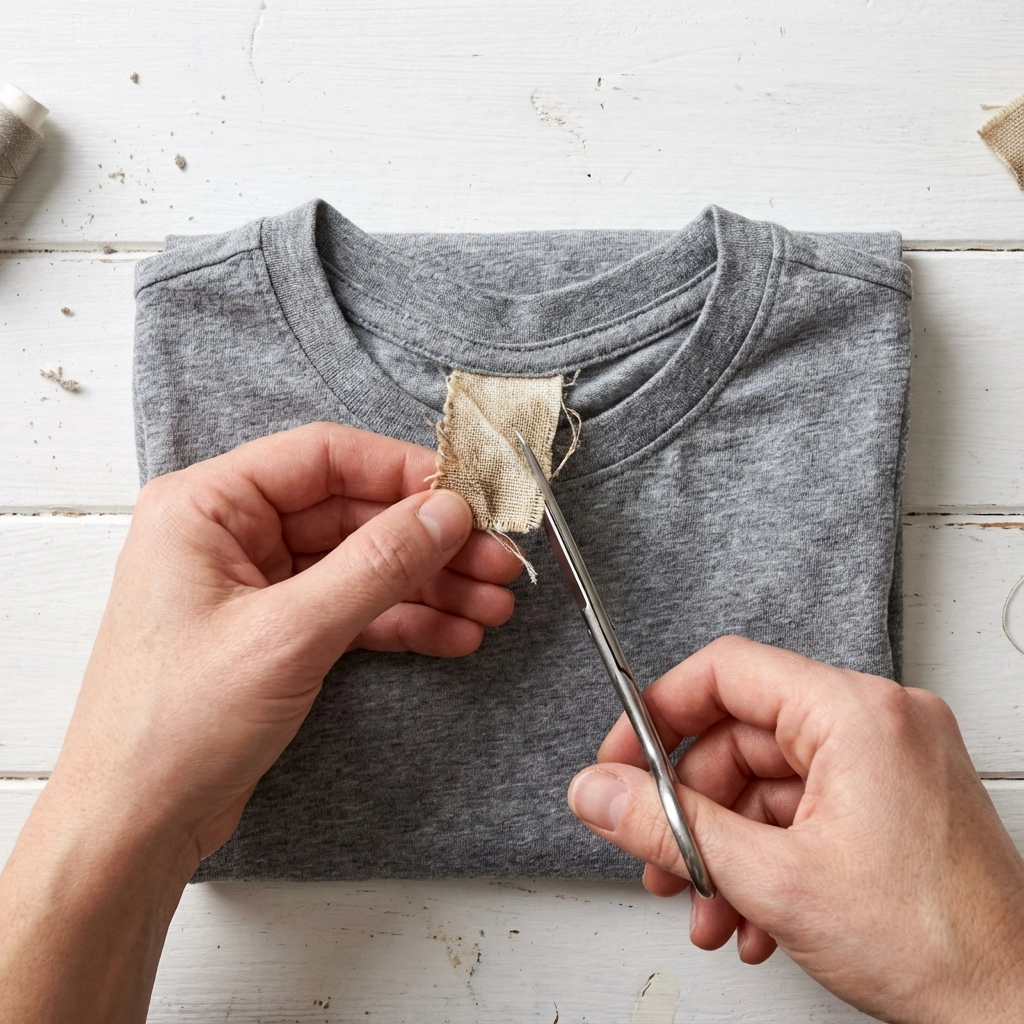
Here's the thing about clothing tags – they're basically tiny torture devices for sensory-sensitive kids. That scratchy little label might seem harmless to you, but it can feel like sandpaper against sensitive skin.
The Fix: Look for tagless clothing options that use heat-sealed or printed labels instead of sewn-in tags. If you already have clothes with tags, carefully cut them out with small scissors. Pro tip: after removing tags, check for any rough edges and either sand them down gently or cover them with soft fabric tape.
Many mainstream brands now offer tagless options, so you don't need to break the bank shopping at specialty stores. Just flip the shirt over before buying and check how the label is attached.
Mistake #2: Overlooking Seam Quality
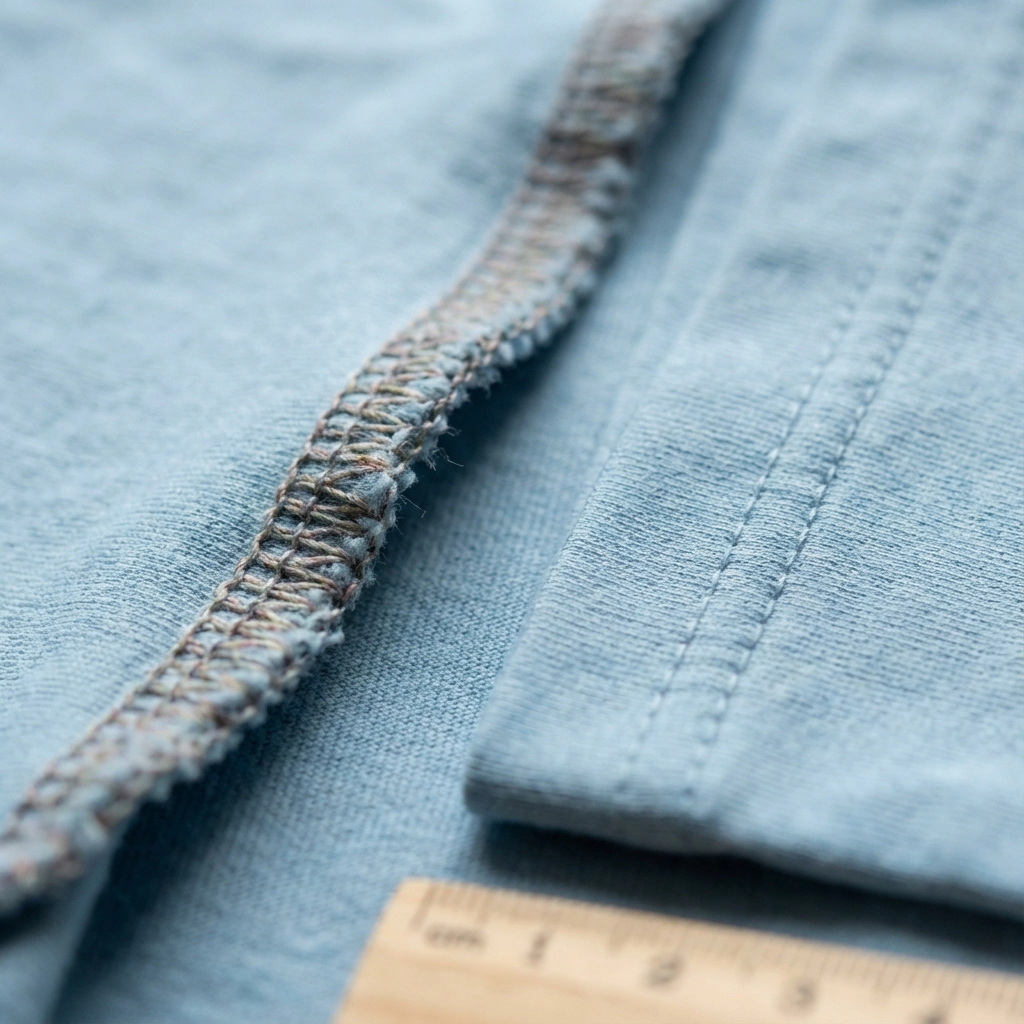
Those thick, bumpy seams running down the sides of shirts and pants? They're sensory nightmares waiting to happen. Regular clothing often has overlocked seams that create raised ridges against the skin.
The Fix: Look for clothes with flat-fell seams or minimal seaming. These lay flat against the skin and won't create pressure points. Some sensory-friendly brands specifically design clothing with seams on the outside, which might look a bit different but feels infinitely better.
If you're sewing or altering clothes yourself, consider French seams – they're completely enclosed and smooth against the skin.
Mistake #3: Choosing the Wrong Fabrics
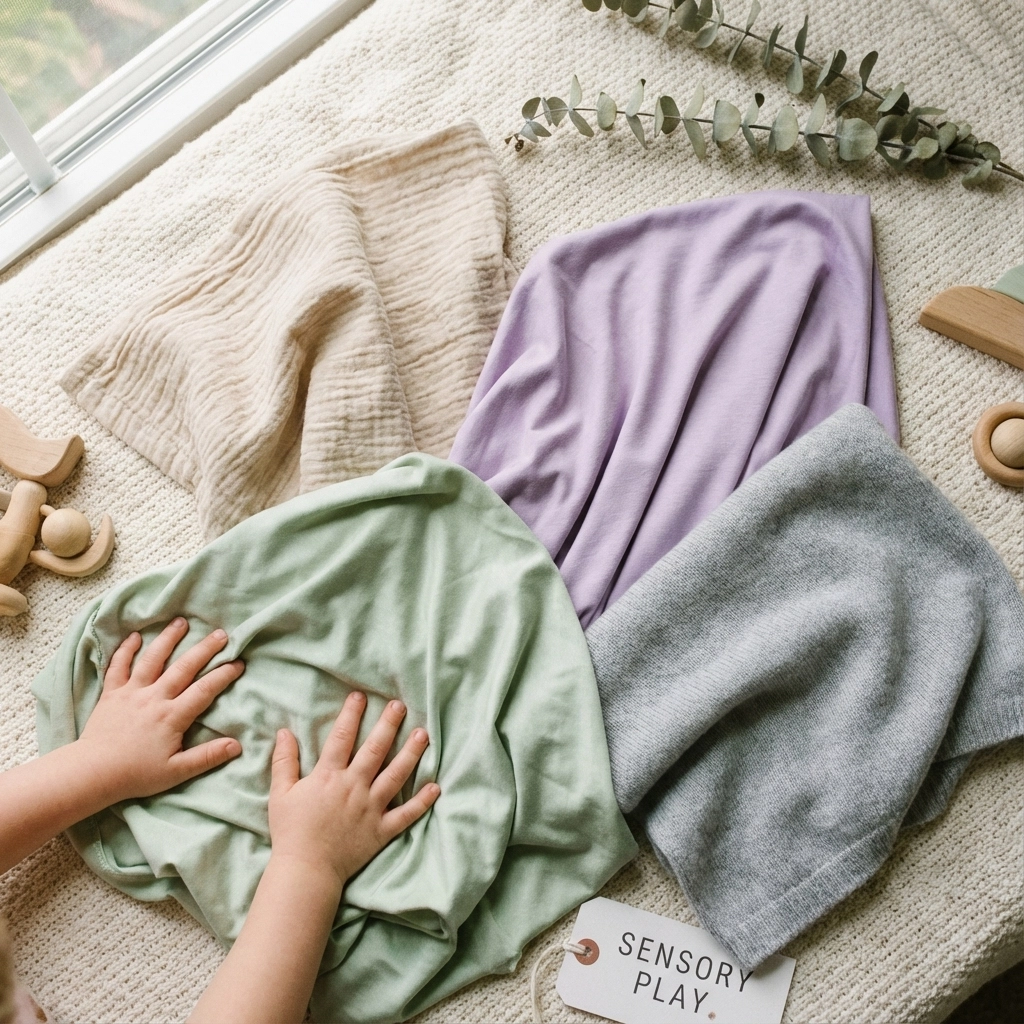
Cotton might be natural, but not all cotton is created equal. Stiff, scratchy fabrics can turn getting dressed into a daily battle. Similarly, synthetic materials that don't breathe can cause overheating and discomfort.
The Fix: Stick with soft, breathable fabrics like:
- Organic cotton (it's softer than regular cotton)
- Bamboo fabric (naturally antimicrobial and silky-soft)
- Modal (made from beech trees, incredibly soft)
- Merino wool (temperature-regulating and odor-resistant)
Always wash new clothes before the first wear. This removes chemical residues from manufacturing and softens the fabric. Some parents wash new clothes 2-3 times before introducing them to their child.
Mistake #4: Getting the Fit Wrong
This one's tricky because kids with sensory sensitivities can fall into two camps: those who need tight, compression-like clothing and those who can't stand anything restrictive. Most parents guess wrong on the first try.
The Fix: Pay attention to your child's preferences with existing clothes. Do they constantly pull at their sleeves? They might need looser fits. Do they prefer to wear multiple layers or tight-fitting clothes? They might benefit from compression-style clothing.
For loose-fit preferences:
- Look for clothes with room to move
- Avoid tight elastic waistbands
- Choose tops with wider necklines
- Consider adaptive clothing with magnetic closures
For compression preferences:
- Try base layers or compression shirts
- Look for stretchy, form-fitting fabrics
- Consider weighted clothing options
- Ensure the compression is even, not binding in spots
Mistake #5: Overwhelming Textures and Patterns
That cute shirt with ruffles, embroidered designs, or textured prints might look adorable, but it can be sensory overload for sensitive kids. Even pockets can sometimes be problematic if they create bulk or texture changes.
The Fix: Simplicity is key. Look for:
- Smooth, flat fabrics without raised designs
- Minimal or no pockets
- Simple, solid colors or very basic patterns
- No sequins, beads, or decorative elements
If your child loves a particular character or design, look for versions that are printed (not appliqué) and feel smooth to the touch.
Mistake #6: Forgetting About Temperature Control
Kids with sensory processing differences often struggle with temperature regulation. They might be too hot in normal clothes or constantly cold even in warm weather. Regular clothing doesn't account for these needs.
The Fix: Think in layers and choose temperature-regulating fabrics:
- Use moisture-wicking base layers to keep skin dry
- Choose breathable fabrics that allow air circulation
- Invest in merino wool items – they're naturally temperature-regulating
- Consider clothing with zip-off sleeves or legs for quick adjustments
- Keep a lightweight layer available for unexpected temperature changes
Remember, what feels comfortable to you temperature-wise might be completely wrong for your child.
Mistake #7: Not Considering Chemical Sensitivities
New clothes come loaded with chemicals from manufacturing, shipping, and storage. Formaldehyde, dyes, and fabric finishes can all trigger reactions in sensitive individuals. Even your laundry detergent might be causing problems.
The Fix: Create a gentle laundry routine:
- Wash all new clothes at least twice before wearing
- Use fragrance-free, hypoallergenic detergent
- Skip fabric softener (it leaves residues that can irritate skin)
- Consider an extra rinse cycle to remove detergent residue
- Air dry when possible – heat can set chemical odors
For extremely sensitive kids, look for clothes made with organic or GOTS-certified fabrics, which have strict limits on chemical processing.
Bonus Tips for Success
Start Small: Don't overhaul your child's entire wardrobe at once. Try one new item and see how it goes.
Shop Together When Possible: If your child can handle it, let them feel fabrics and express preferences. Their sensory input is invaluable.
Keep What Works: When you find a brand, style, or specific item that works well, stock up. Sensory preferences usually stay consistent.
Document Success: Keep notes about what works and what doesn't. Fabric types, brands, and specific features can help you make better choices in the future.
The Bottom Line
Finding sensory-friendly clothing doesn't have to be a constant struggle. By avoiding these seven common mistakes, you'll save time, money, and daily meltdowns. Remember, every child is different – what works for one might not work for another, and that's completely normal.
The key is patience and observation. Pay attention to your child's reactions, both positive and negative, and use that information to guide future purchases. With time, you'll develop an intuition for what will work, making shopping much easier for everyone involved.
Most importantly, don't give up. The right clothing is out there, and when you find it, it can make a huge difference in your child's daily comfort and confidence.