
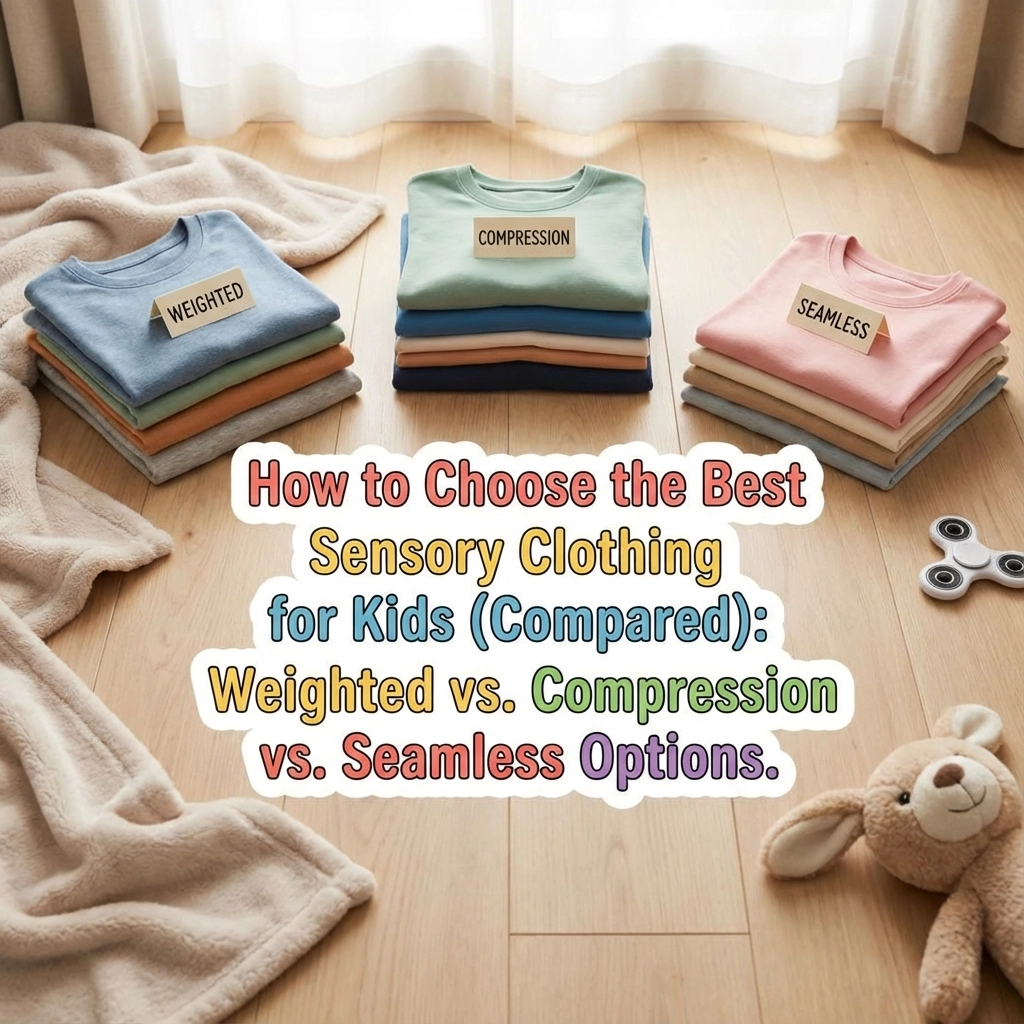
If you're new to sensory clothing, the options can feel overwhelming. Your kid needs something that actually helps, but you also want them to look and feel like every other kid at school. The good news? You don't have to choose between function and style anymore.
Let's break down the three main types of sensory clothing: weighted, compression, and seamless: so you can figure out what works best for your child.
What Is Sensory Clothing, Really?
Sensory clothing is designed for kids whose nervous systems process touch, pressure, and textures differently. Some kids crave deep pressure (think bear hugs all day), while others can't stand the feeling of a shirt tag or sock seam.
The goal isn't to "fix" anything: it's to give kids the sensory input they need so they can focus, feel calm, and just be themselves.
Weighted Clothing: Like a Gentle Hug All Day
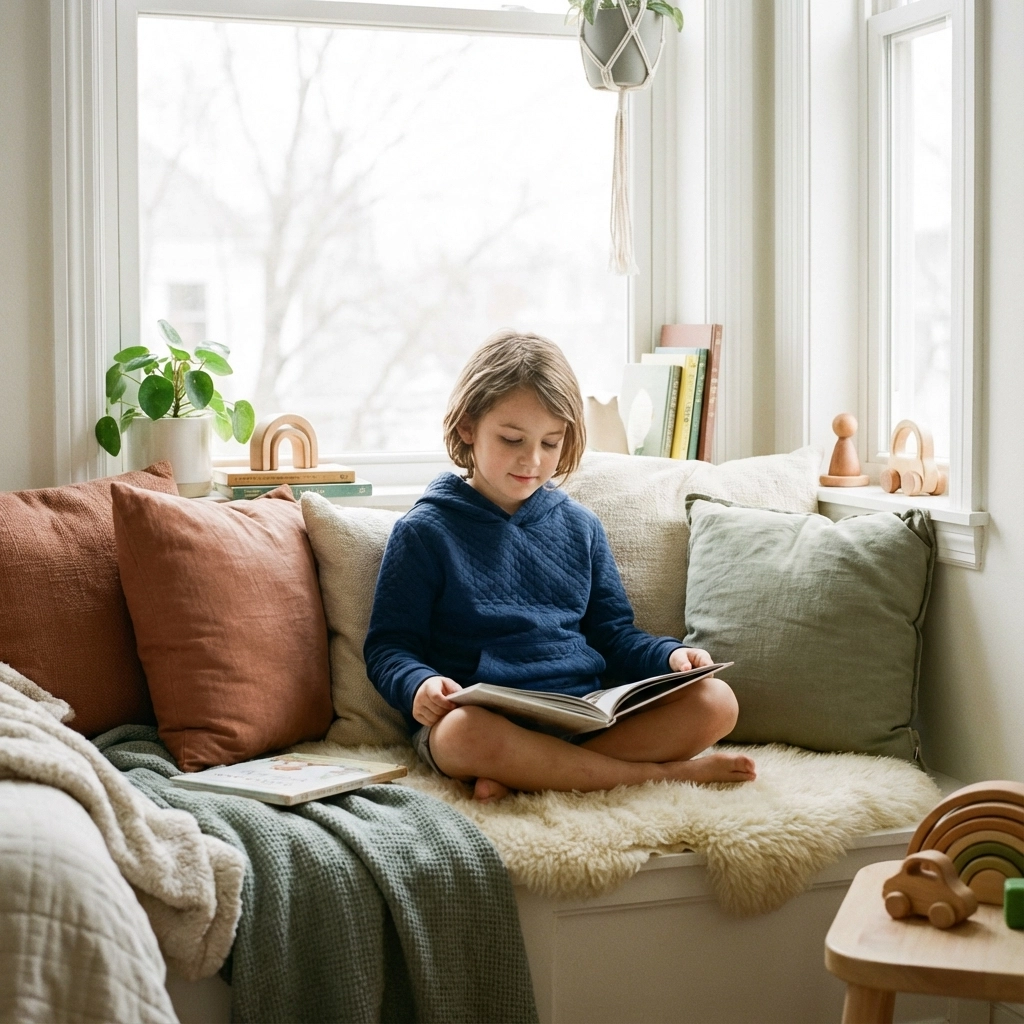
What it is: Weighted clothing has small, evenly distributed weights sewn into the fabric. Think weighted hoodies, vests, or lap pads that provide constant, gentle pressure.
Who it helps most: Kids who seek out pressure by:
- Wrapping themselves in blankets constantly
- Asking for tight hugs
- Lying under couch cushions
- Getting fidgety or anxious in overstimulating environments
The pros:
- Provides consistent calming pressure throughout the day
- Can help with focus and attention
- Often looks like regular clothing (no medical vibe)
- Works great for anxiety and sensory overload
The cons:
- Can be too much stimulation for some kids
- Heavier than regular clothing (obviously)
- May get warm in summer weather
- Usually more expensive than other options
Best for: Kids who actively seek deep pressure and need help with self-regulation throughout the day.
Compression Clothing: Steady Pressure Without the Weight
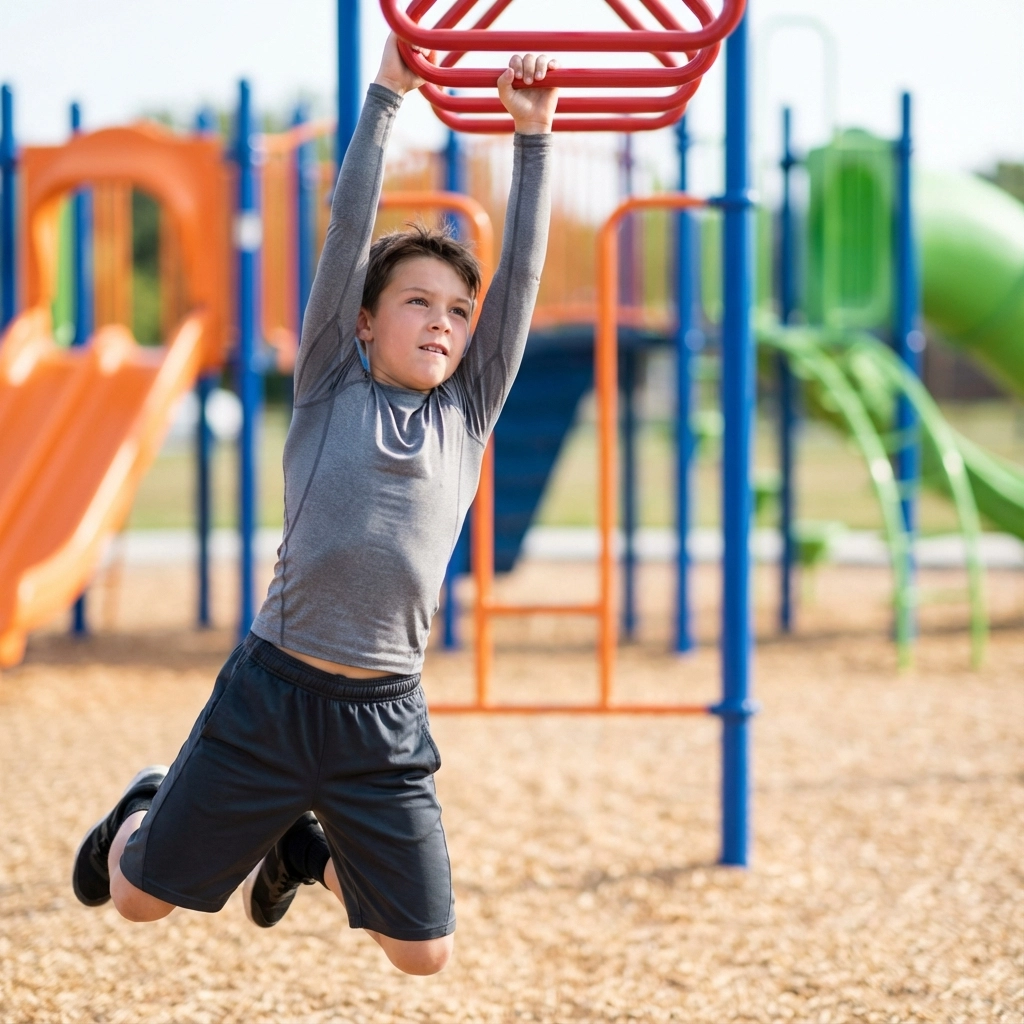
What it is: Compression clothing uses stretchy, fitted fabric to apply gentle, consistent pressure to the body. It's like athletic wear, but designed specifically for sensory needs.
Who it helps most: Kids who benefit from:
- Feeling "held together" or secure
- Gentle pressure that helps with body awareness
- Consistent sensory input without being overwhelmed
- Needing to feel calm and focused
The pros:
- Lighter than weighted options
- Often looks like regular athletic wear
- Provides steady sensory input
- Usually more breathable than weighted clothing
- Great for active kids
The cons:
- Might not provide enough pressure for kids who need intense input
- Can be restrictive if sized incorrectly
- Some kids find the constant pressure annoying
- May show more under regular clothes
Best for: Kids who need moderate sensory input and want clothing that moves with them during activities.
Seamless Clothing: Eliminating the Irritants
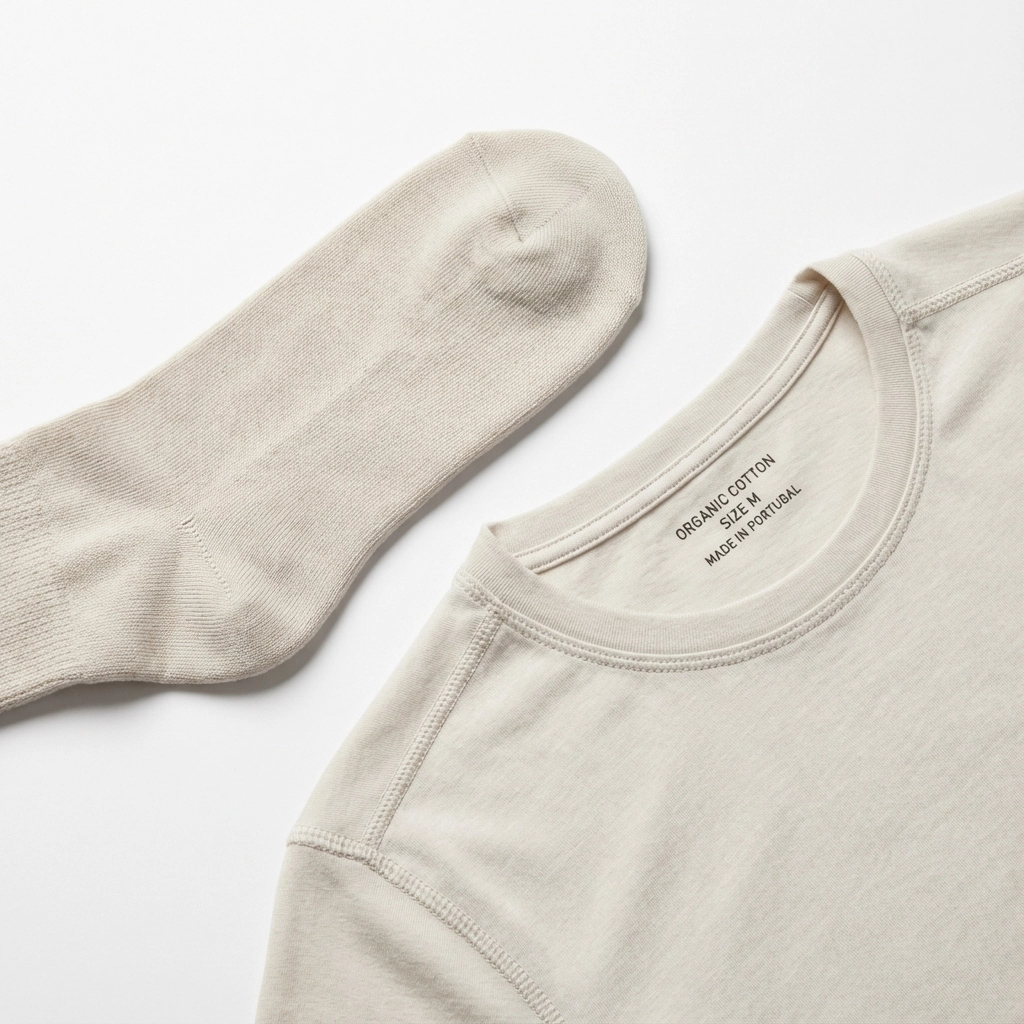
What it is: Seamless clothing removes or relocates seams, tags, and other potential irritants. This includes seamless socks, tagless shirts, and clothes with flat seams placed on the outside.
Who it helps most: Kids who are sensitive to:
- Clothing tags (the classic "itchy tag" complaint)
- Sock seams across the toes
- Side seams on shirts
- Rough or scratchy textures
- Elastic waistbands that dig in
The pros:
- Eliminates common sensory triggers
- Looks exactly like regular clothing
- Usually the most affordable option
- Easy to find in mainstream stores
- Great starting point for sensory clothing
The cons:
- Doesn't provide additional sensory input (just removes irritants)
- May not help kids who need more than just comfort
- Limited styles available in truly seamless options
- Some seamless clothing can be lower quality
Best for: Kids who are primarily bothered by textures and irritating clothing features rather than needing additional sensory input.
How to Choose: Matching Clothing to Your Kid's Needs
The key is understanding what your child's sensory system is asking for. Here's how to figure it out:
If your kid seeks pressure: They probably crash into furniture, love tight hugs, or wrap up in blankets constantly. Try weighted or compression clothing.
If your kid avoids certain textures: They complain about tags, refuse certain fabrics, or have meltdowns getting dressed. Start with seamless options.
If your kid needs both: Many kids benefit from combining types: like seamless socks with a compression shirt.
What to Consider When Shopping
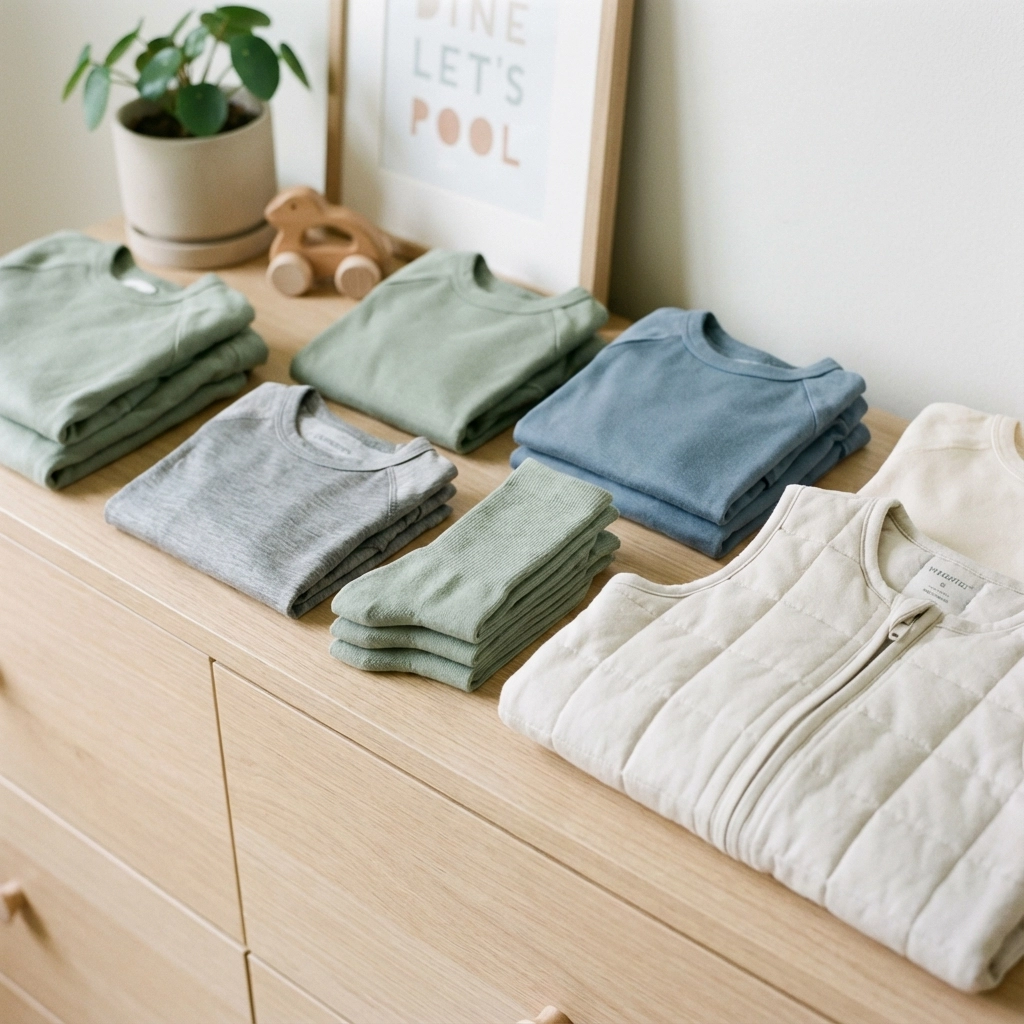
Comfort comes first. If it doesn't feel good, your kid won't wear it. Period. Look for soft fabrics and the right level of pressure or seamlessness for their needs.
Peer acceptance matters. Kids want to fit in. Choose clothing that looks like what their friends wear. Modern sensory clothing brands understand this: gone are the days of obviously "special needs" gear.
Care and durability. Sensory clothing gets worn a lot (sometimes daily). Make sure it can handle frequent washing and still maintain its properties.
Proper fit is crucial. Too tight and compression becomes uncomfortable. Too loose and weighted clothing won't provide the right pressure. When in doubt, size up slightly.
Consider the temperature. Weighted and compression clothing can run warm. Think about your climate and your child's temperature sensitivity.
Start simple. Don't overhaul their entire wardrobe at once. Try one piece first, see how it works, then build from there.
Getting Started: A Practical Approach
Begin with the biggest complaint. If your kid always fusses about socks, start with seamless socks. If they're constantly seeking pressure, try a compression shirt under their regular clothes.
Many parents find success starting with undergarments: seamless underwear and socks, or a compression undershirt. These provide sensory benefits without changing their outward appearance.
Remember that sensory needs can change. What works now might not work in six months, and that's totally normal. Growth spurts, seasonal changes, and developmental shifts all affect sensory processing.
The Modern Approach to Sensory Clothing
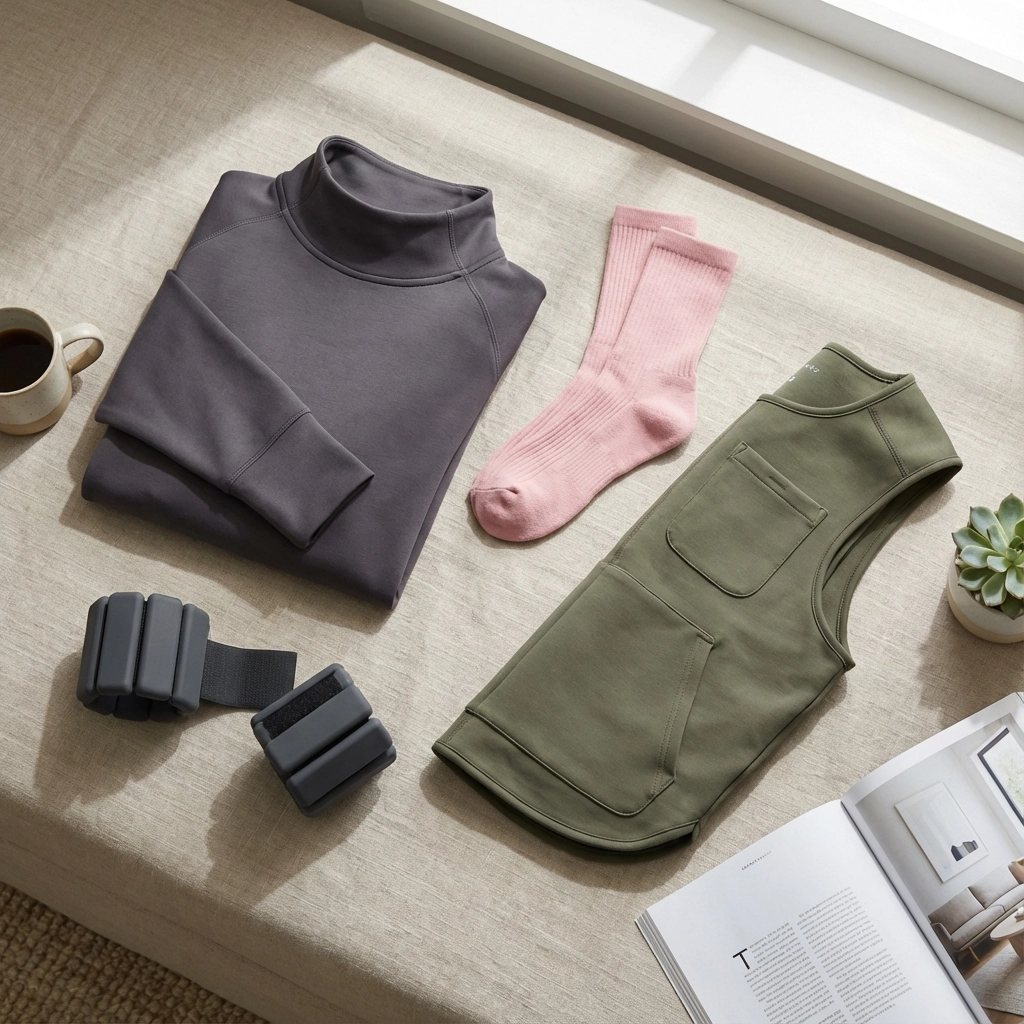
Today's sensory clothing doesn't scream "therapeutic wear." The best brands focus on stealth design: clothing that provides sensory benefits while looking completely mainstream.
Look for clean lines, modern colors, and thoughtful construction that prioritizes both function and style. Your kid deserves clothing that helps them feel their best while looking like themselves.
The goal isn't to make sensory differences disappear: it's to give kids the tools they need to navigate the world comfortably and confidently. Sometimes that tool is a weighted hoodie, sometimes it's seamless socks, and sometimes it's a combination of both.
Making the Right Choice for Your Family
Every kid is different, and what works for one might not work for another. Trust your observations of your child's needs, start with one type of sensory clothing, and adjust as you learn what helps most.
The best sensory clothing is the kind your child will actually wear. Focus on finding that sweet spot between meeting their sensory needs and fitting their personal style.
Whether you choose weighted, compression, or seamless options: or a combination of all three: you're giving your child the gift of comfort in their own skin. And that's worth its weight in gold.