
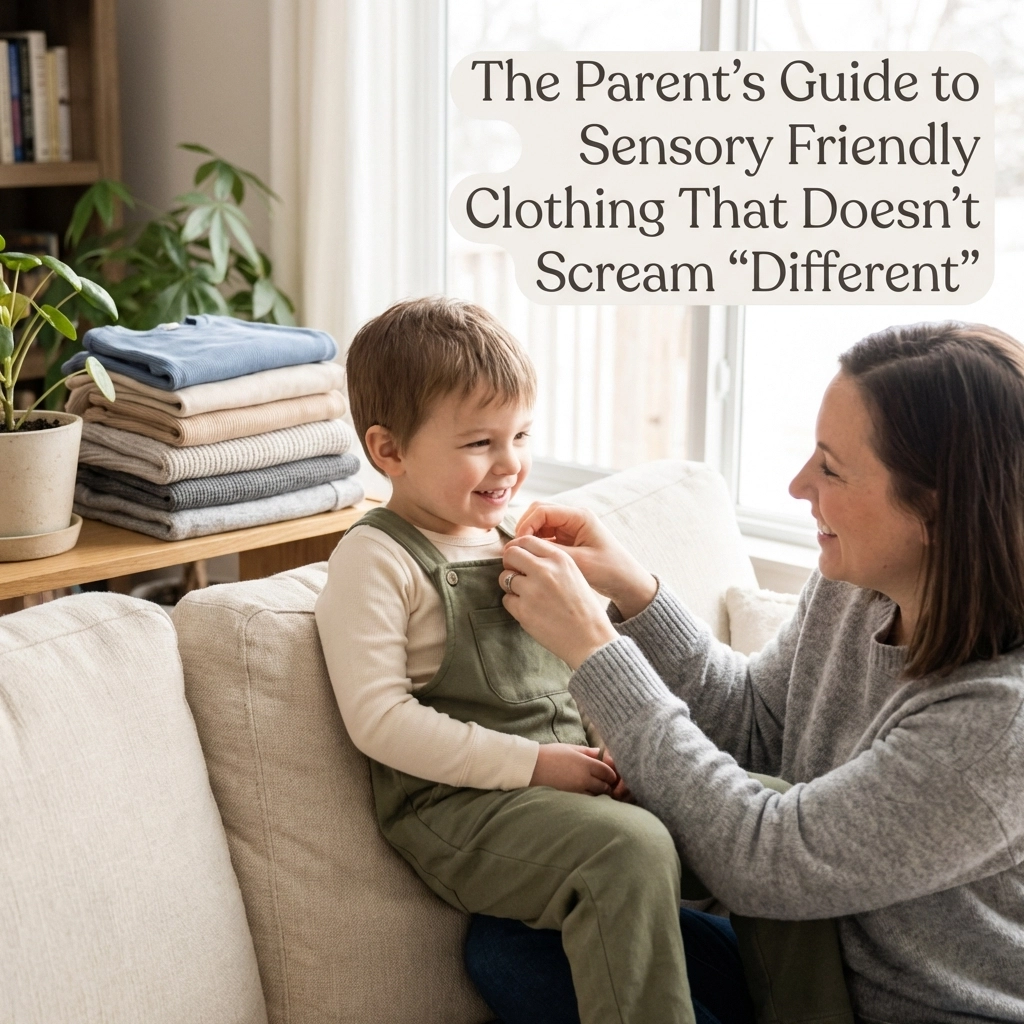
Every morning, you watch other families breeze out the door while you're still negotiating with your child about that "scratchy" sweater or "weird feeling" jeans. Sound familiar?
You're not alone in this daily dance. Finding sensory friendly clothing that actually helps with regulation while letting your kid blend in with their peers feels impossible sometimes. The medical-looking weighted vests and obvious sensory gear? They work, but they also make your child feel different in ways that can hurt their confidence.
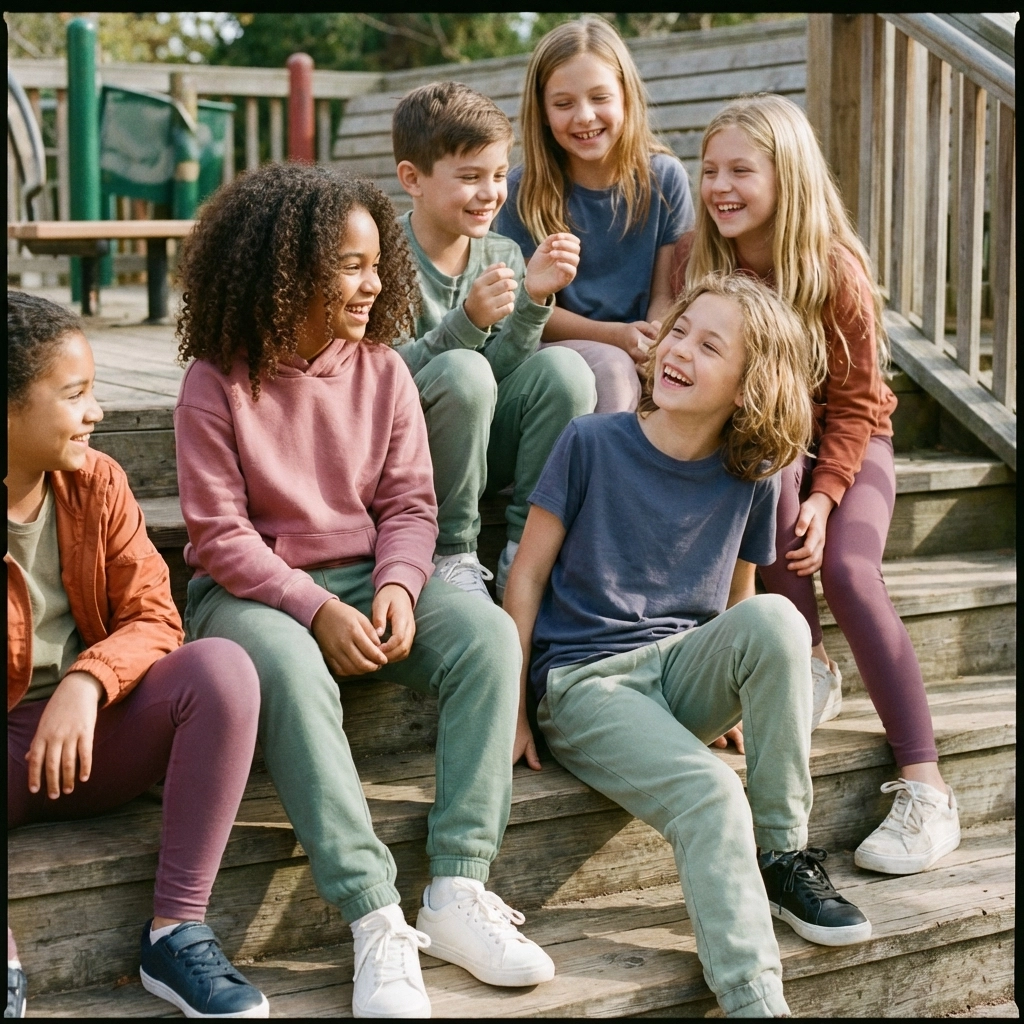
Here's the thing: sensory-friendly doesn't have to mean obviously different. The best clothing for sensory challenges often looks completely ordinary while secretly providing the comfort and regulation your child needs.
What Makes Clothing Truly Sensory-Friendly (The Hidden Features)
The magic isn't in how the clothes look: it's in how they're made. These features can transform your child's comfort without changing their style:
Stealth Weighted Elements
Forget the bulky weighted vests. Modern sensory clothing includes subtle weight through:
- Weighted hem bands in hoodies and sweatshirts
- Hidden pockets with removable weights that look like regular kangaroo pockets
- Weighted collar strips in jackets that feel like a gentle hug
Who loves it: Anxious teens who need calming input but want to look like everyone else, kids with ADHD who benefit from proprioceptive feedback during focus time.
Tagless and Seamless Construction
Those tiny details make a huge difference:
- Flat-locked seams instead of bulky overlocked ones
- Heat-sealed labels or printed size tags
- No side seams in t-shirts and tank tops
Who loves it: Sensory-sensitive kids who can't handle traditional clothing tags, children with autism who are bothered by texture variations.
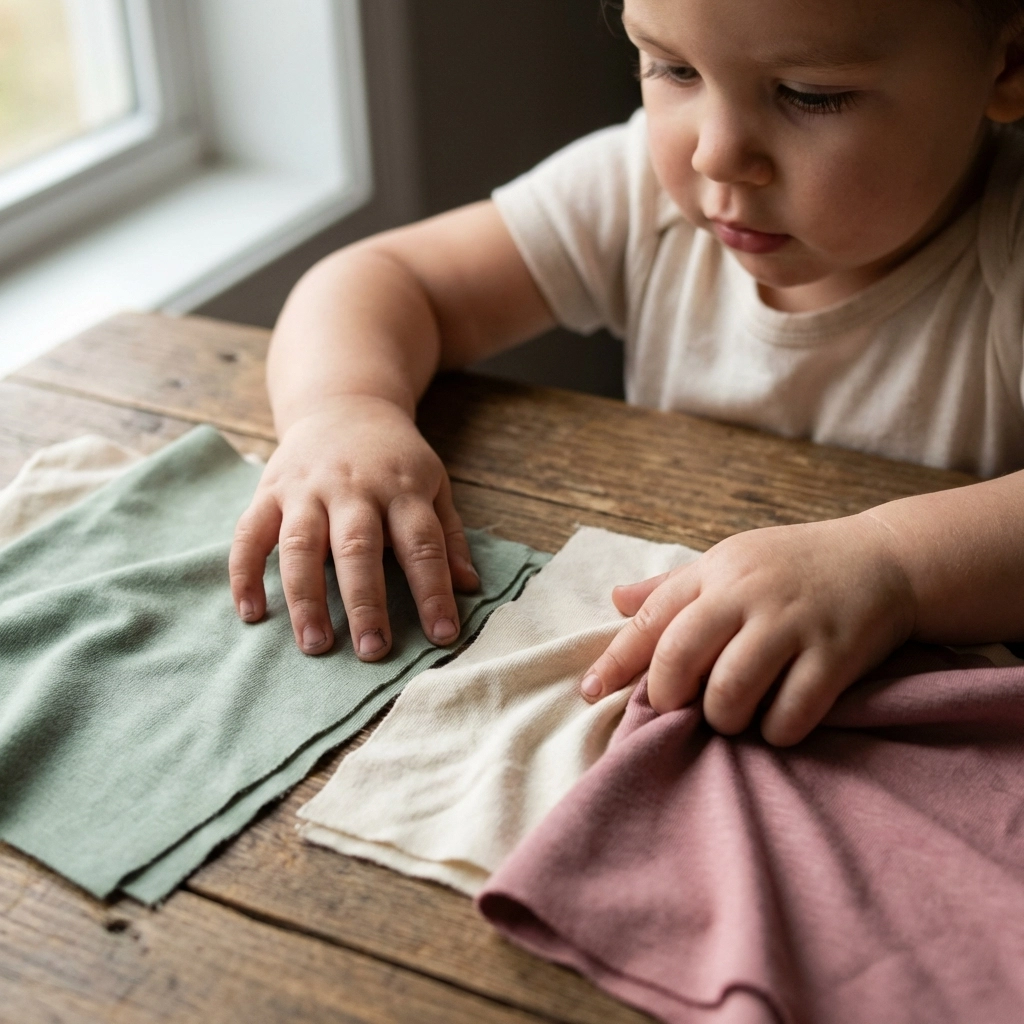
Compression Without the Sports Look
Your child can get that "hug feeling" from:
- Bamboo and modal blends that naturally compress while feeling silky
- Loungewear-style fitted tops that look trendy but provide gentle pressure
- Layering pieces with built-in compression that work under regular clothes
Who loves it: Kids who seek pressure input, teenagers who want fashionable fitted clothing, children who benefit from proprioceptive feedback.
Smart Fabric Choices That Look Totally Normal
The Fabric All-Stars
Bamboo: Your secret weapon. It's naturally antibacterial, temperature-regulating, and impossibly soft. Most people can't tell the difference between bamboo basics and regular cotton ones.
Organic Cotton: Classic, breathable, and available everywhere. Look for pre-washed versions to avoid texture changes after the first wash.
Modal: The smoothest option. It drapes beautifully and feels like silk but costs way less and holds up better.
Colors and Patterns That Work
Forget the idea that sensory clothing has to be beige or medical-looking:
- Muted jewel tones (dusty rose, sage green, soft navy) hide stains while looking sophisticated
- Small geometric patterns camouflage spills and wear better than solid colors
- Heather fabrics have built-in texture variation that many sensory seekers love
Budget-Friendly vs. Investment Pieces
Starter Budget Options ($15-35)
- Target's Cat & Jack Adaptive line: Hidden magnetic closures, tagless construction
- Hanes ComfortSoft: Ultra-soft cotton basics that wash well
- Old Navy's sensory-friendly basics: Great for trying different styles without big investment
Pros: Affordable way to test what works, easy to replace as kids grow
Cons: May not last as long, fewer specialized features
Investment Brands ($40-80)
- Sensory-specific companies: Often offer weighted options, premium fabrics, thoughtful construction
- Higher-end basics brands: Usually use better materials and construction methods
- Designer-inspired loungewear: Looks fashionable while providing sensory benefits
Pros: Better durability, more specialized features, often ethically made
Cons: Higher upfront cost, sizing can be tricky to get right initially
Specific Clothing Categories That Work
Hoodies and Sweatshirts
Look for:
- Soft fleece lining (not fuzzy or pilled)
- Weighted drawstrings or hems
- Kangaroo pockets deep enough for fidget tools
- No metal hardware that clinks or gets cold
Pants and Shorts
Winners include:
- Jogger-style with soft waistbands
- Leggings that look like jeans but feel like pajamas
- Cargo-style with fidget-friendly pockets
- Elastic waists disguised as regular waistbands
Undergarments and Socks
This is where investment really pays off:
- Seamless socks with cushioned soles
- Wire-free bras for teens (sports bra style)
- Bamboo underwear with flat seams
- Compression shorts that can go under dresses or skirts
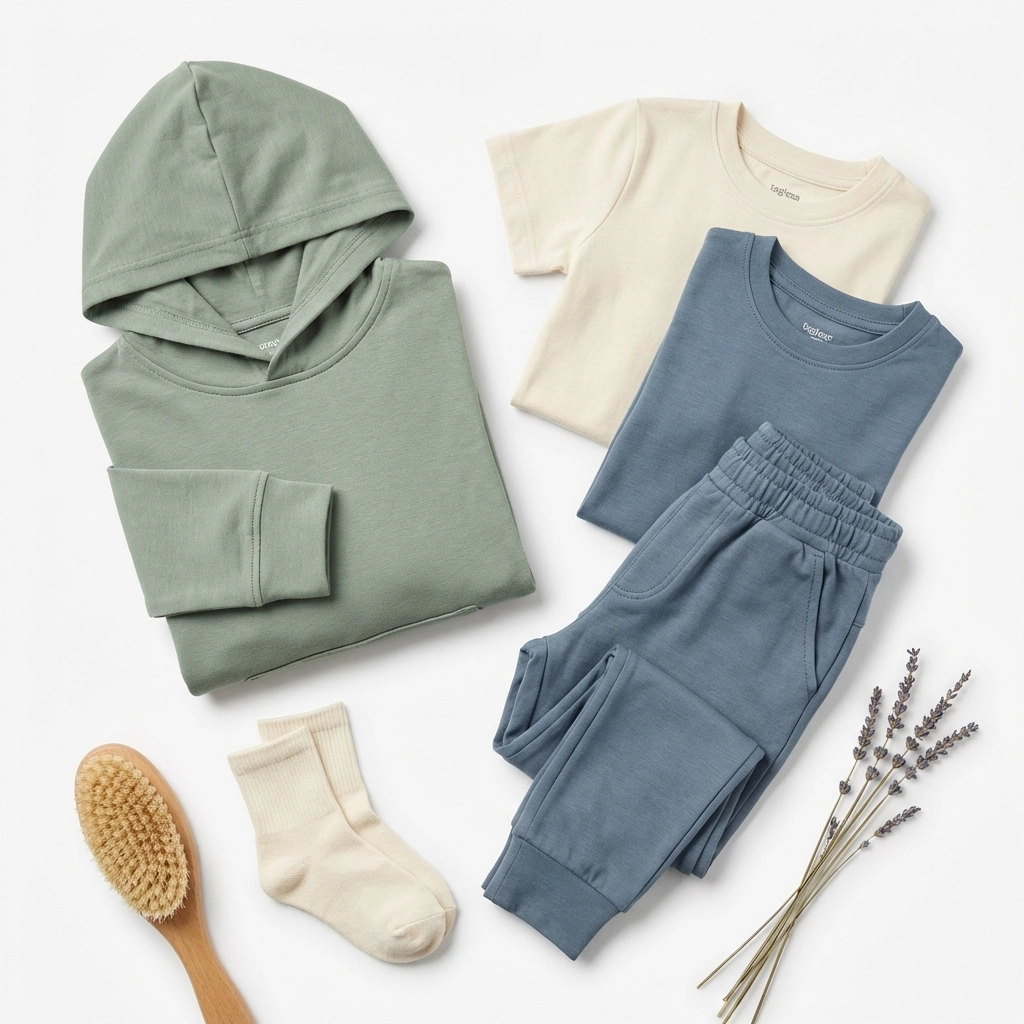
Quick Morning Survival Kit
When you're running late and the sensory meltdown is starting:
• Keep backup "safe" outfits clean and ready: exact duplicates of clothes you know work
• Have a comfort layer available: soft cardigan, familiar hoodie, or compression shirt
• Stock seamless socks in bulk: buy 10 pairs of the same ones that work
• Pre-cut tags from new clothes before offering them
• Keep a sensory-friendly "emergency outfit" in the car
• Let your child pick between two pre-approved options rather than open-ended choices
• Remember that wearing the same thing multiple days is totally fine
How Anchor Apparel's Gentle Tether Line Fits In
Speaking of clothing that doesn't scream "different": our Gentle Tether collection was designed exactly with this in mind. Each piece looks like premium loungewear (think Sunday morning cozy meets coffee-shop chic) while secretly providing the sensory support your child needs.
The weighted elements are subtle, the fabrics are chosen specifically for sensory comfort, and the styling is something your teenager would actually choose to wear. Because sometimes the best sensory solution is the one that just feels like really, really good regular clothes.
The Real Talk About Fit and Growth
Kids grow fast, and sensory preferences change. Here's what works:
Buy slightly bigger rather than fitted for most sensory-seekers: except for compression pieces where snug is the point. Keep successful pieces for reference when shopping: take photos of labels, note what works. Don't be afraid to modify clothes that almost work: removing tags, cutting out scratchy elements, or adding soft patches over seams can save a perfectly good piece.
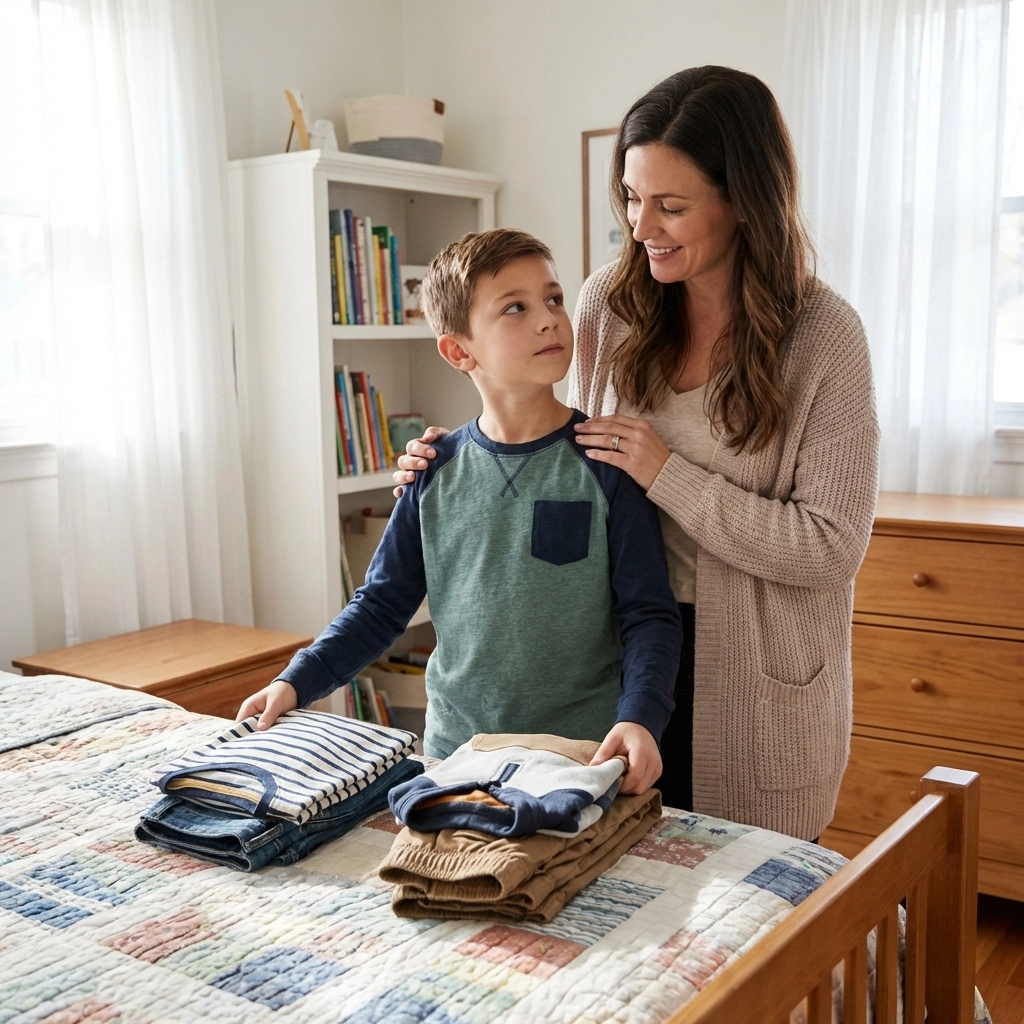
Building Confidence Through Choice
The most important feature of any sensory-friendly clothing? Your child actually wants to wear it.
Let them touch fabrics in the store. Give them veto power over pieces that feel wrong. Take them shopping when they're regulated and patient, not when you're desperate. And remember: if they find something that works, it's okay to buy it in multiple colors or sizes.
Your child's comfort matters more than fashion rules. A kid who feels good in their clothes will move through their day with more confidence, focus better in school, and have energy left for the things that really matter.
You're Doing Great
This parenting thing is hard enough without adding daily clothing battles to the mix. Every small victory: a morning without tears over socks, a successful school day in comfortable clothes, your child choosing to try something new: those all count.
Remember that figuring out sensory clothing is often a process, not a one-time solution. What works in winter might not work in summer. What works at age 7 might change at age 9. And that's completely normal.
What questions do you have about sensory-friendly clothing? What challenges are you facing with your child's wardrobe? Drop a comment below: this community of parents is incredibly supportive and full of creative solutions. Your experience might be exactly what another parent needs to hear today.
Because at the end of the day, we're all just trying to help our kids feel comfortable in their own skin: and sometimes that starts with helping them feel comfortable in their clothes.