
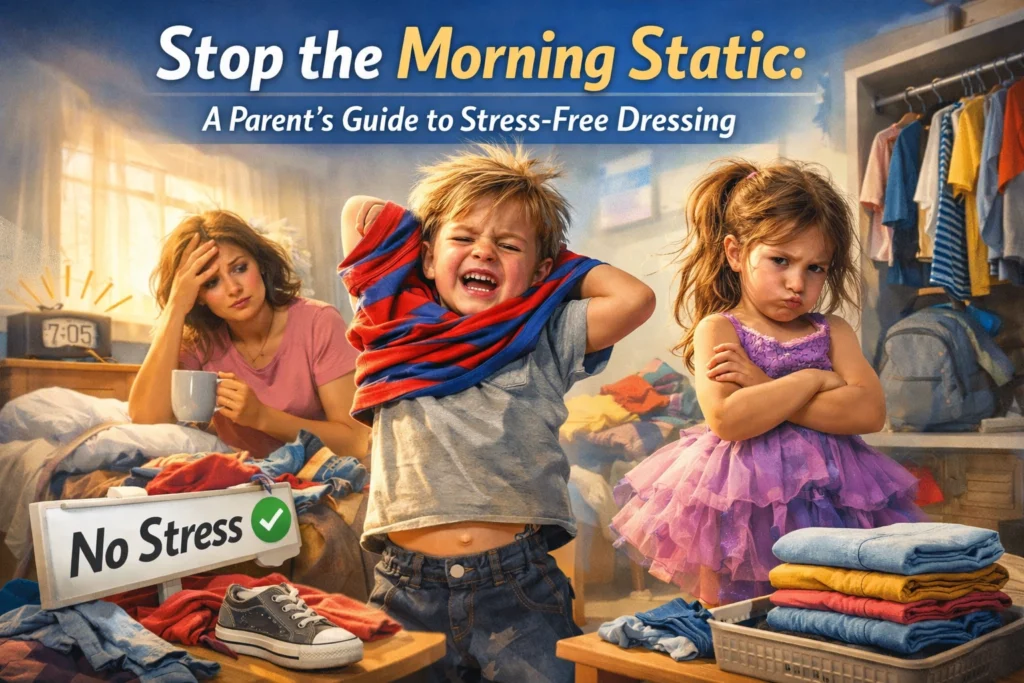
You've laid out the perfect outfit the night before. You've woken up early to give yourself extra time. You've stayed calm, patient, and prepared.
And yet, here you are: fifteen minutes late, both of you in tears, over a shirt.
If you're a parent of a neurodivergent kid, you know this scene all too well. That moment when your child touches the fabric and recoils like it's made of fire. The screaming. The negotiating. The complete shutdown before the day has even started.
Welcome to what we call "The Static."
What Is "The Static"?
Think about the last time you wore a scratchy sweater or a shirt with a tag that rubbed your neck all day. Annoying, right? Now multiply that feeling by about a thousand, and you're getting close to what your child experiences with sensory overload.
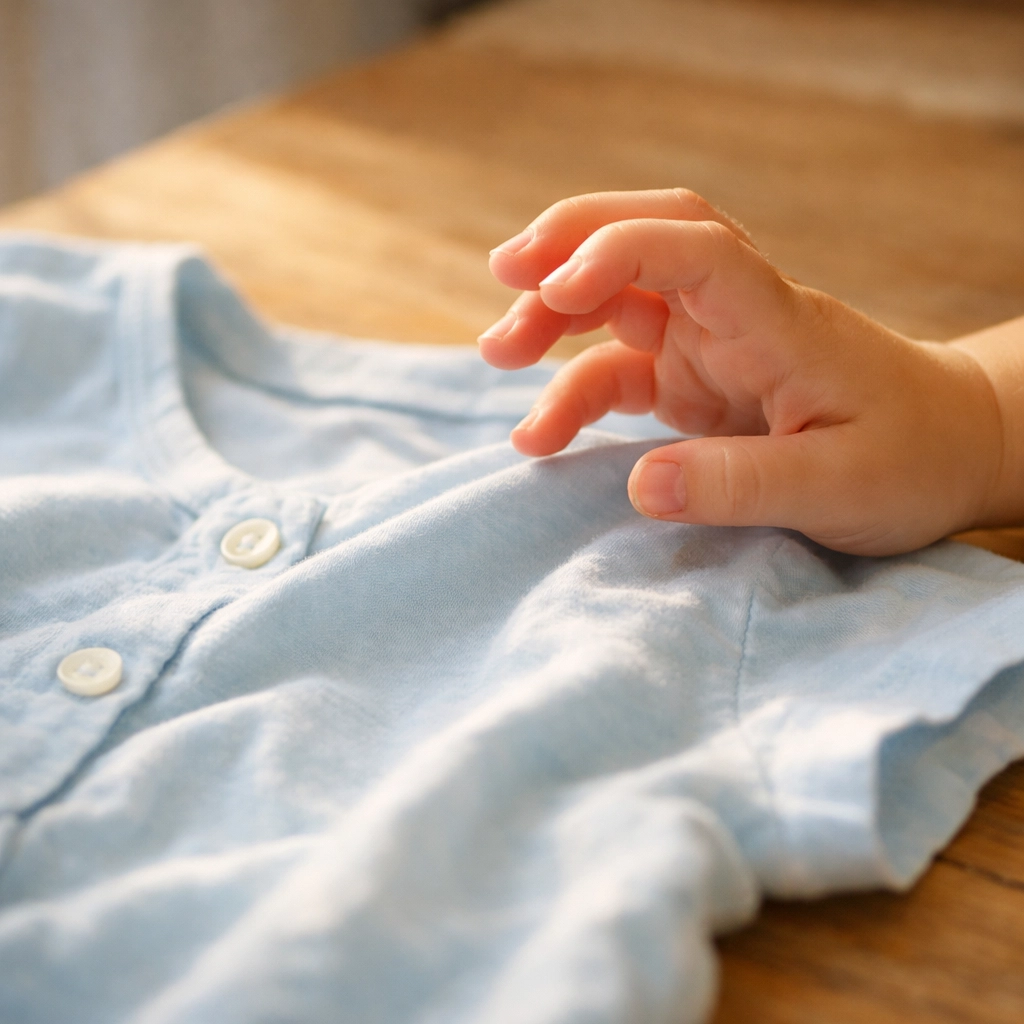
"The Static" isn't just about clothing. It's about all the tiny sensory inputs that most of us barely notice but that can feel like alarm bells going off for kids with sensory processing differences. When it comes to morning routines, clothing is usually ground zero.
Here's what "The Static" looks like in real life:
- Tags that feel like sandpaper against sensitive skin
- Seams that create pressure points and weird sensations
- Loose fabric that moves unpredictably and creates constant awareness
- Waistbands that squeeze or shift throughout the day
- Materials that feel "wrong" in ways that are hard to explain
For your child (The Navigator, as we like to call them), getting dressed isn't a simple task. It's like being asked to wear something that actively fights against their nervous system all day long.
The Real Cost of Morning Battles
Let's be honest: these morning meltdowns aren't just hard on your kid. They're exhausting for you too.
You (The Guardian) start each day already drained. You're not just fighting to get your child dressed. You're fighting guilt, frustration, and that nagging voice that wonders if you're doing something wrong. Spoiler: you're not.
The psychological impact runs deep on both sides. Your child isn't being "difficult" or "stubborn." Their nervous system is genuinely overwhelmed, and they're doing the best they can to communicate that something feels wrong.
Meanwhile, you're stuck in an impossible position. You know they need to get dressed. You know you need to leave the house. But you also know that forcing the issue might mean a full meltdown that derails the entire day.
This daily stress compounds. Morning after morning, it chips away at your patience, your child's confidence, and the connection between you. The day starts with conflict instead of calm, and that energy carries forward into everything else.
Why Traditional Solutions Fall Short
You've probably tried everything. Cutting out tags. Turning socks inside out. Buying the "softer" version of everything. Maybe you've even invested in medical-grade weighted vests or compression garments.
Here's the problem: most solutions treat clothing like a medical issue rather than a daily-life issue.
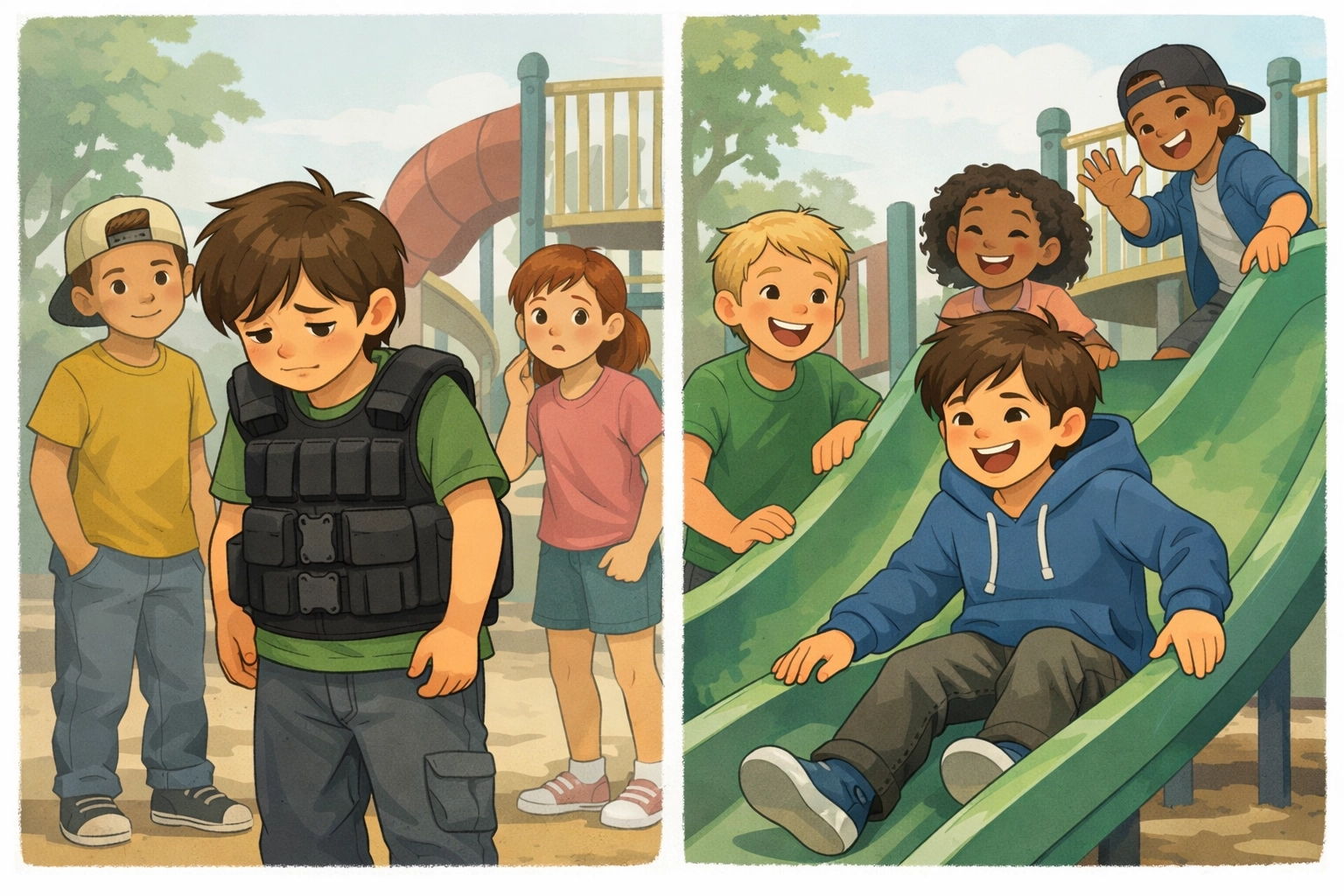
Medical-looking gear works, sure. But it also broadcasts "I'M DIFFERENT" to everyone your child meets. It turns a private challenge into a public spectacle. At school drop-off, at the playground, during playdates: that bulky weighted vest or obvious compression gear becomes the first thing people notice.
Your child isn't just dealing with sensory challenges. They're also dealing with stares, questions, and the growing awareness that they look different from other kids. That's a heavy load for small shoulders to carry.
The Stealth Approach: A Better Starting Line
What if your child could get the sensory input they need without looking like they're wearing medical equipment?
That's where the concept of "The Gentle Tether" comes in. It's sensory support that works invisibly, helping your Navigator feel grounded and regulated without advertising their challenges to the world.
Think premium, everyday clothing that just happens to provide deep pressure input. A hoodie that looks like any other hoodie but offers gentle, consistent compression. Joggers that feel secure without bulky weights or obvious modifications.
This isn't about hiding your child's needs. It's about giving them the dignity of blending in while still getting the regulation they need to function.
Creating Your Sensory-Safe Morning Routine
Switching to sensory friendly clothing is just one piece of the puzzle. Here's how to create a morning routine that actually works:
1. Prepare the Night Before
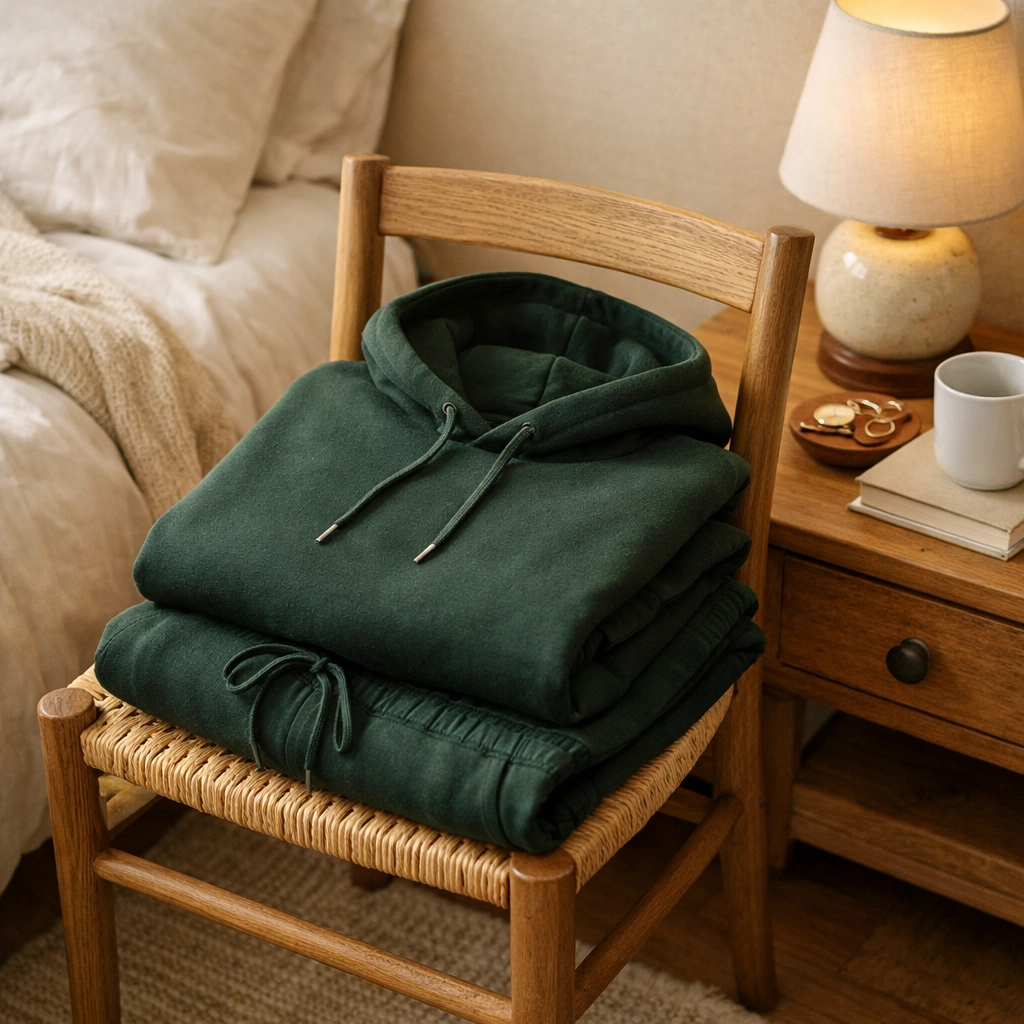
Eliminate morning decisions. Lay out tomorrow's outfit tonight, and let your child touch and approve everything. No surprises.
2. Create a "Yes Pile"
Keep a designated drawer or bin of sensory-safe clothing: things you know work. On rough mornings, skip the guesswork and go straight to the yes pile.
3. Allow Extra Time
Rushing creates pressure, and pressure amplifies sensory issues. Build in buffer time so neither of you feels frantic.
4. Make Peace with Routines
If your child wants to wear the same hoodie every day, let them. Regulation matters more than variety. Buy multiples if needed.
5. Listen to the Static
When your child resists getting dressed, they're telling you something. Listen. What specifically bothers them? The more you understand their triggers, the better you can avoid them.
Simple Swaps That Make a Difference
You don't need to overhaul your child's entire wardrobe overnight. Start with simple transitions:
Instead of: A traditional weighted vest that screams "medical device"
Try: A premium hoodie with built-in gentle compression that looks like regular clothing
Instead of: Fighting over regular jeans with uncomfortable seams
Try: Soft joggers designed with flat seams and consistent pressure
Instead of: Wrestling with tags and scratchy materials every morning
Try: Tagless, premium-fabric basics that feel good from the first wear
The goal isn't perfection. It's progress. Even swapping out one difficult clothing item can transform your morning.
The Ripple Effect
Here's what parents don't always realize: when mornings get easier, everything else gets easier too.
Your child starts the day regulated instead of dysregulated. They arrive at school calm instead of overwhelmed. They have more capacity for learning, playing, and connecting because they're not burning all their energy fighting their clothing.
And you? You get your mornings back. No more battles. No more tears. No more starting every day feeling like you've already failed before breakfast.
That's the power of removing "The Static." It's not just about clothing: it's about creating a sensory-safe starting line that sets your whole family up for success.
You're Not Alone
If you're reading this, you're probably exhausted. You've probably had a morning (or a hundred mornings) where you wondered if things would ever get easier.
They can.
You're not doing anything wrong. Your child isn't broken. They just experience the world differently, and they need clothing that works with their nervous system instead of against it.
At Anchor Apparel, we get it. We understand what it's like to watch your Navigator struggle with something that seems so simple to everyone else. That's why we've made it our mission to create sensory-friendly clothing that provides "The Gentle Tether": regulation without stigma, support without sacrifice.
Because your child deserves to feel comfortable in their own skin. And you deserve mornings that don't end in tears.
Start small. Try one swap. See what happens when you remove just a little bit of "The Static" from your routine.
Your calmer mornings are waiting.