
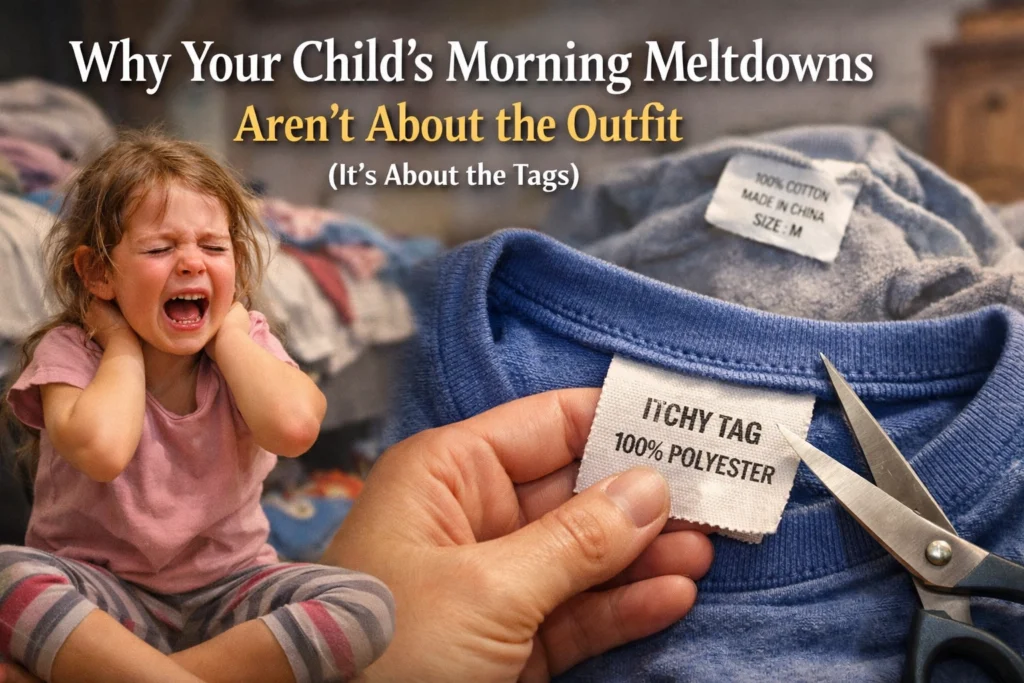
You've been there. It's 7:42 AM, the bus comes in thirteen minutes, and your child is pulling off their shirt for the third time, tears streaming down their face. "It's scratchy!" they sob. You checked the tags. You cut them all out. The shirt is soft cotton, the same brand they wore last week without issue.
What's happening isn't stubbornness. It's not a power struggle. It's something we call "The Static", and once you understand it, those morning meltdowns start making a whole lot more sense.
What Is "The Static"?
Think about the last time you had a pebble in your shoe during a long walk. At first, it's mildly annoying. By mile two, it's all you can think about. By mile three, you're limping and miserable, ready to sit down on the curb and cry.
That's The Static.
For children with sensory processing challenges, tiny irritants in their clothing, tags, seams, fabric texture, elastic bands, aren't just mildly annoying. They're the pebble in the shoe. Except instead of one pebble, imagine five or six scattered throughout their entire outfit, all creating friction at once.

And here's the thing: their brain is actually processing these sensations differently than yours. This isn't exaggeration. It's not drama. When your child says the shirt "hurts" or feels "wrong," they're describing a genuinely uncomfortable, sometimes painful, experience that their sensory system is having.
The Science Behind the Meltdown
Clothing sensory issues are related to the tactile system, one of the eight senses your child's brain processes constantly. For kids with sensory regulation challenges, the signals their brain receives from clothing can become overwhelming.
Let's break it down simply:
Your child's brain is constantly receiving input from their clothing. Every tag brushing against their neck. Every seam pressing into their skin. Every bit of elastic squeezing their wrist. Most brains filter this background noise automatically, you're probably wearing socks right now and weren't thinking about them until I mentioned it.
But for children with sensory processing differences, that automatic filter doesn't work the same way. Instead of background noise, these sensations demand attention. They become foreground noise, urgent, persistent, impossible to ignore.
Think of it like trying to have a conversation at a coffee shop. For most people, the background chatter fades away. But for your child, it's like every conversation in the room is being broadcast at the same volume directly into their ears. The tag isn't just touching their neck, it's screaming at their neck.
Why Mornings Are Worse
Here's something that surprises a lot of parents: sensory perception is actually more intense in the morning for many children.
When kids wake up, their nervous system is still regulating. They're transitioning from sleep to wakefulness, which is already a big sensory shift. Add hunger, the pressure of getting ready on a timeline, and any underlying anxiety about the day ahead, and you've got a nervous system that's already working overtime.
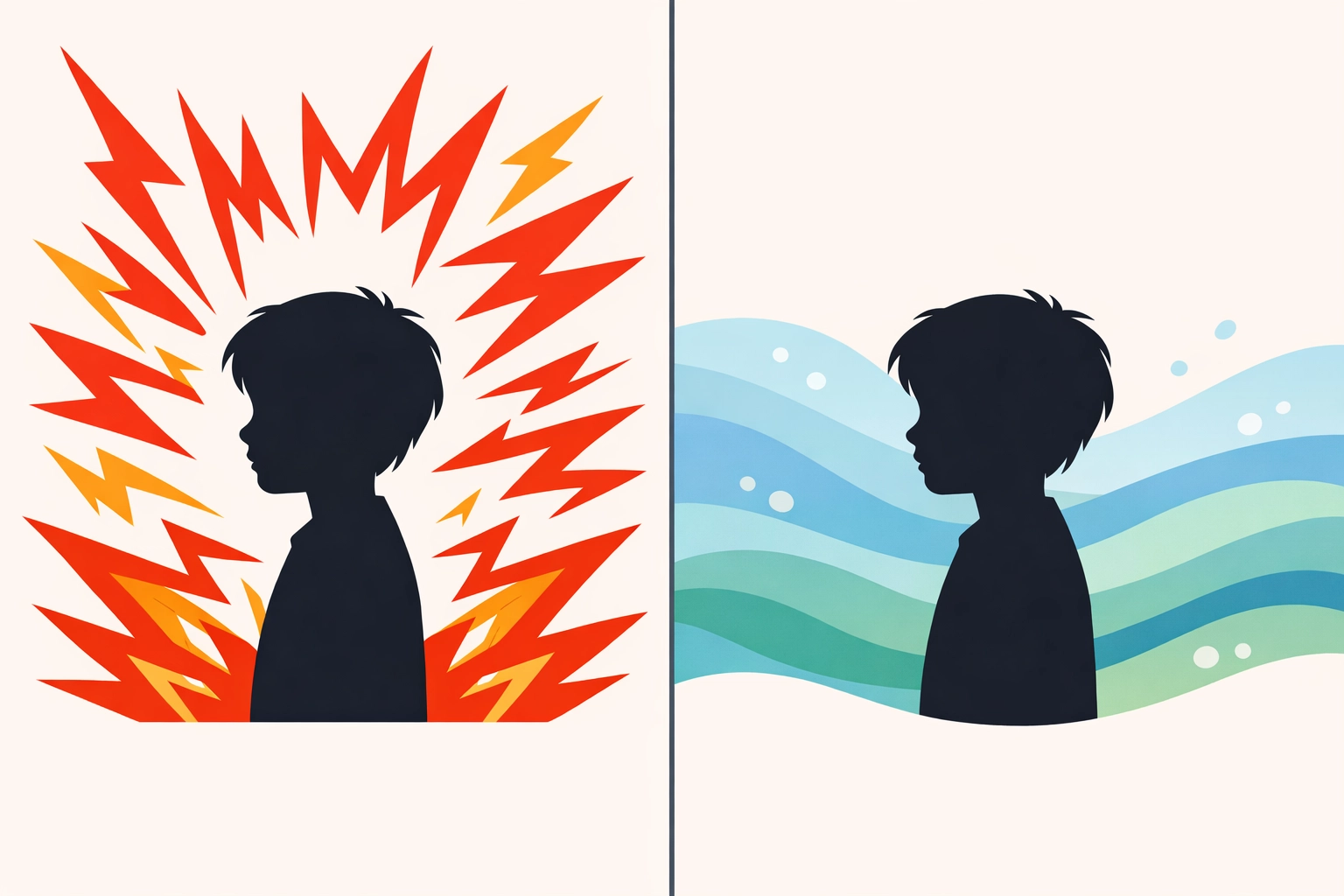
In this dysregulated state, everything feels more intense. The lighting seems brighter. Sounds seem louder. And clothing? Clothing that felt tolerable yesterday afternoon now feels intolerable.
This is why you can have the exact same shirt cause zero problems at bedtime but trigger a complete meltdown at 7 AM. The shirt hasn't changed. Your child's sensory regulation state has changed.
The Common Culprits of Static
Tags get all the blame, and yes, they're definitely offenders: but they're far from the only problem. Here are the most common sources of sensory clothing distress:
Seams: Those stitched lines running through socks, along the sides of pants, or across the shoulders of shirts create pressure points that sensitive skin can't ignore.
Fabric texture: Stiff materials like denim, scratchy wool, or synthetic fabrics with an odd hand-feel can trigger constant discomfort.
Elastic bands: Waistbands, wrist cuffs, and sock tops that squeeze can feel restrictive or even painful when sensory sensitivity is high.
Hems and edges: When sleeves hit exactly at the wrist or pant legs hit right at the ankle, the sensation of fabric ending creates a specific tactile distraction that some brains can't tune out.
Underwear and layers: The sensation of multiple fabric layers moving against each other: underwear under pants, undershirts beneath sweaters: can amplify The Static exponentially.
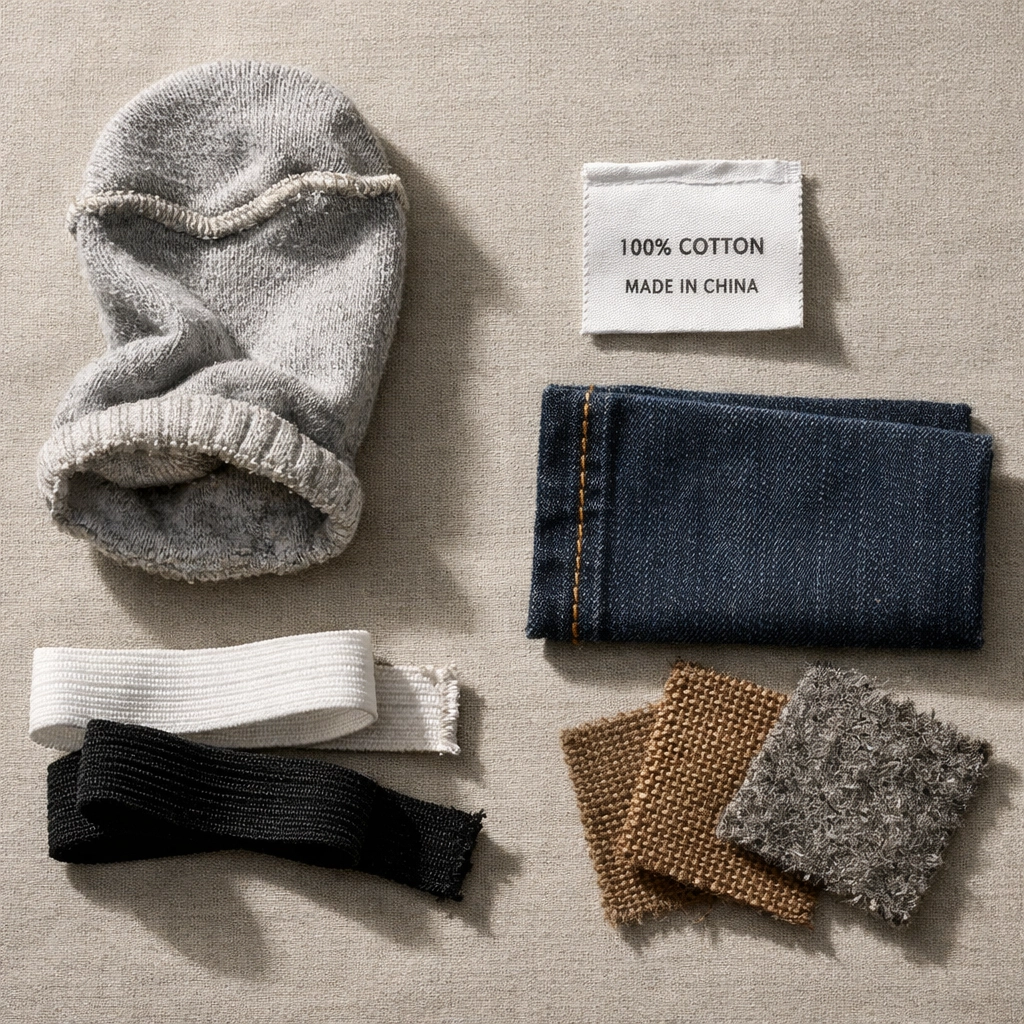
Each one of these might seem minor in isolation. But remember: they're not happening in isolation. They're all happening simultaneously, creating layer upon layer of sensory input that your child's brain is struggling to process.
How The Static Builds Up
The real problem with sensory clothing issues isn't any single irritant. It's the accumulation.
Imagine you're trying to focus on an important task, but someone keeps tapping your shoulder. Tap. Tap. Tap. At first, you can ignore it. After a few minutes, it's annoying. After ten minutes, you're ready to snap.
That's what's happening inside your child's sensory system throughout the morning. The tag taps. The seam taps. The elastic taps. The hem taps. Their brain is trying to focus on getting ready, eating breakfast, preparing for school: but The Static won't stop tapping.
By the time you're asking them to put on their jacket to leave, their sensory system is maxed out. That's when you see the meltdown: not because the jacket is the problem, but because it's the final tap after dozens of taps that came before.
The Missing Piece: Proprioceptive Input
Here's where things get interesting: and where the solution starts to appear.
While irritating tactile input (The Static) creates distress, there's another type of sensory input that actually helps with regulation: proprioceptive input. This is the deep pressure sensation that tells your brain where your body is in space.
Think about why a tight hug feels calming when you're stressed, or why weighted blankets have become so popular. That gentle, consistent pressure provides organizing sensory input that helps your nervous system settle.
This is what we call "The Gentle Tether": subtle, consistent proprioceptive input that grounds your child without announcing to the world that they're wearing "special" clothing.
The Solution That Doesn't Look Like a Solution
The frustrating thing about most sensory friendly clothing is that it either looks obviously medical or adaptive, or it focuses only on removing irritants without providing the regulating input many children need.
Your child doesn't want to look different. They want to feel comfortable and look like everyone else.
That's the entire philosophy behind sensory clothing that actually works: eliminate The Static while providing The Gentle Tether, all in clothing that looks like regular, stylish apparel.

What this looks like in practice:
- Tagless designs (obviously)
- Flat, soft seams positioned away from pressure points
- Fabric with slight compression that provides organizing input without feeling restrictive
- Strategic weight distribution in hoodies and jackets that mimics the calming effect of a weighted blanket without the bulk
- Smooth, breathable materials that don't create texture friction
The goal isn't to create a uniform. It's to create clothing your child will actually want to wear because it feels good on their body: not because you're forcing them into it.
What This Means for Your Mornings
Understanding The Static and The Gentle Tether doesn't magically eliminate morning challenges. But it does change your approach.
Instead of thinking "Why is my child being so difficult about this shirt?", you can think "Their sensory system is overwhelmed right now, and this clothing is adding to the problem."
That shift in perspective changes everything. You're not dealing with behavior that needs to be corrected. You're dealing with sensory input that needs to be managed.
Practical steps you can take immediately:
- Cut out every tag, even the small printed ones
- Turn socks inside out so seams don't press on toes
- Let your child wear the same "safe" outfit multiple times per week
- Consider sensory-friendly clothing designed specifically to reduce The Static
- Give your child time to adjust to new clothing before school mornings
But here's the real game-changer: clothing that eliminates The Static while providing The Gentle Tether means fewer battles, less morning stress, and a child who can focus on their day instead of their discomfort.
The Bottom Line
Your child isn't being difficult. Their brain is processing the world differently, and clothing has become a source of genuine distress. The meltdown isn't about the outfit: it's about the accumulated sensory input from tags, seams, textures, and elastic that their nervous system can't filter out.
The good news? Once you understand The Static, you can address it. And when you combine that with The Gentle Tether: that subtle proprioceptive input that helps with regulation: you're giving your child's sensory system what it actually needs.
Mornings don't have to be a battlefield. Sometimes, it really is just about the tags.