
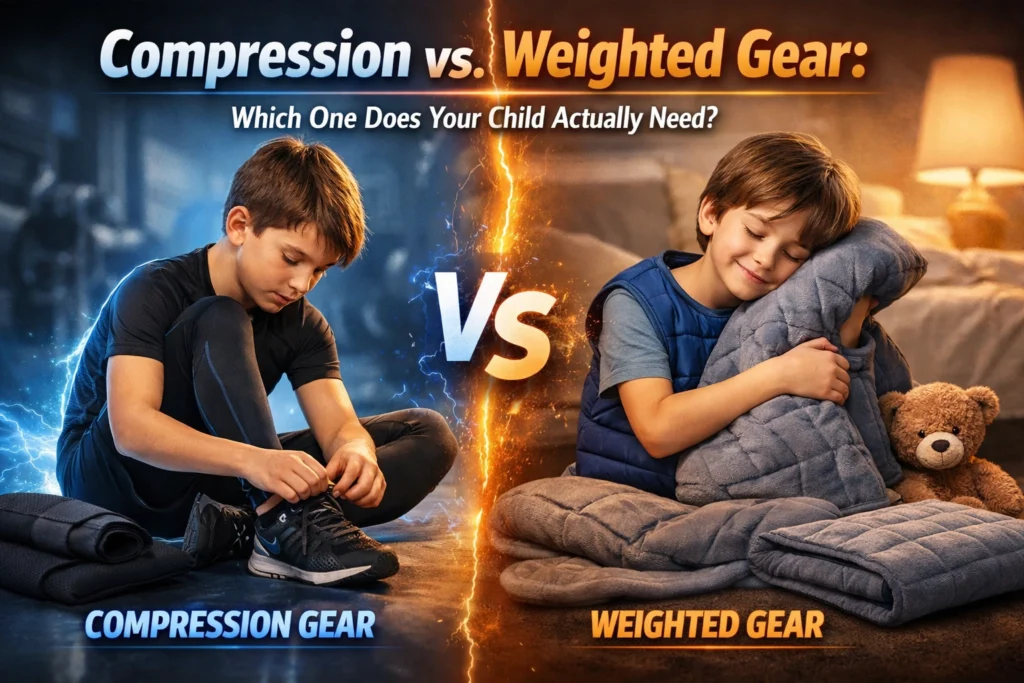
If you’ve spent more than five minutes researching sensory processing tools, you’ve likely bumped into two heavy hitters: compression gear and weighted gear. For a parent, or "The Guardian," as we like to think of you, trying to navigate the world of sensory support can feel like wandering through a maze without a map. You want what’s best for your child, but the options can be overwhelming, expensive, and, frankly, a bit too "medical" looking for comfort.
At Anchor Apparel LLC, we believe in a concept we call "The Gentle Tether." It’s the idea that sensory support shouldn’t feel like a prescription; it should feel like your favorite pair of pajamas. We’re here to act as "The Navigator," helping you steer through the differences between a snug hug and deep pressure so you can find exactly what your child needs to feel grounded, safe, and ready to take on the world.
The Basics: What’s the Real Difference?
Before we dive into the "which one" part, let’s clear up the "what" part. While both compression and weighted gear aim to help children regulate their sensory systems, they do it in very different ways.
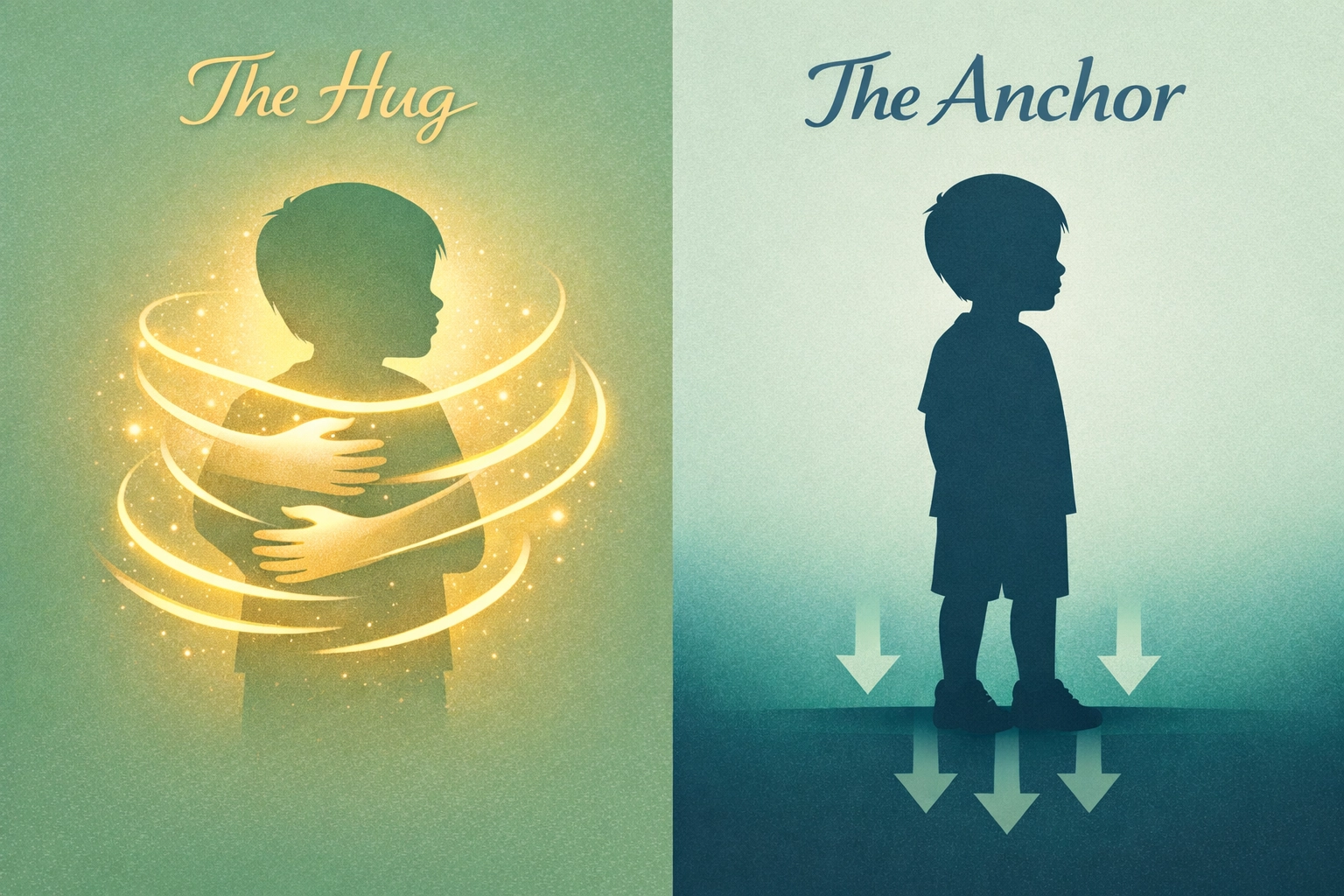
Compression gear is all about the "hug." Imagine a stretchy, snug-fitting shirt or bodysuit made of materials like spandex or high-quality nylon blends. It provides constant, even pressure across the body. It’s like a continuous, gentle squeeze that stays with your child as they move.
Weighted gear, on the other hand, is about "deep pressure." This involves actual physical weight, usually in the form of glass beads or poly-pellets sewn into vests, blankets, or lap pads. The goal here isn't necessarily a "hug" all over, but rather a grounding force that helps a child feel where their body is in space.

The Compression "Hug": Constant and Subtle
Compression is often the "entry point" for many families because it is so versatile. If your child is the type who loves to crawl into tight spaces, hide under cushions, or insists on wearing leggings three sizes too small just for the "tight" feeling, compression might be their best friend.
Why It Works
Compression works by providing constant proprioceptive input. Proprioception is just a fancy word for "body awareness." It’s the sense that tells you where your arms and legs are without you having to look at them. For many sensory-seeking children, this internal map is a little fuzzy. A compression shirt acts like a gentle tether, constantly reminding their brain where their body ends and the world begins.
The Benefits of Compression:
- All-Day Support: Unlike weighted gear, compression can typically be worn all day long. It’s lightweight and breathable.
- Discreet: It fits under regular clothes. At Anchor Apparel, we focus on making our gear look like high-quality loungewear, so your child just looks like they’re wearing a cool, fitted tee.
- Freedom of Movement: It doesn't weigh a child down. They can run, jump, and play while still receiving that calming sensory input.
- Improved Focus: By quieting the "background noise" of the sensory system, compression often helps kids stay on task at school or during homework.

The Weighted "Anchor": Deep Pressure for Big Moments
Weighted gear is a bit more specialized. Think of it like an anchor for a ship in a storm. When a child’s sensory system is totally overwhelmed, the literal weight of a vest or blanket can help pull them back down to earth.
Why It Works
Weighted items apply deep pressure touch (DPT). This kind of pressure triggers the release of dopamine and serotonin, the "feel-good" chemicals in the brain. It’s incredibly effective for children who experience high levels of anxiety, or those who have significant trouble "winding down" at the end of the day.
The Guidelines for Weighted Gear:
- The 10% Rule: Generally, weighted items should be about 5% to 10% of your child’s body weight. You don't want to overdo it!
- Time Limits: You usually don't wear a weighted vest all day. Most Occupational Therapists (OTs) recommend "20 minutes on, 20 minutes off" to prevent the body from getting too used to the weight (which makes it less effective).
- Specific Tasks: It’s great for high-stress transitions, sitting still for a meal, or calming down before bed.
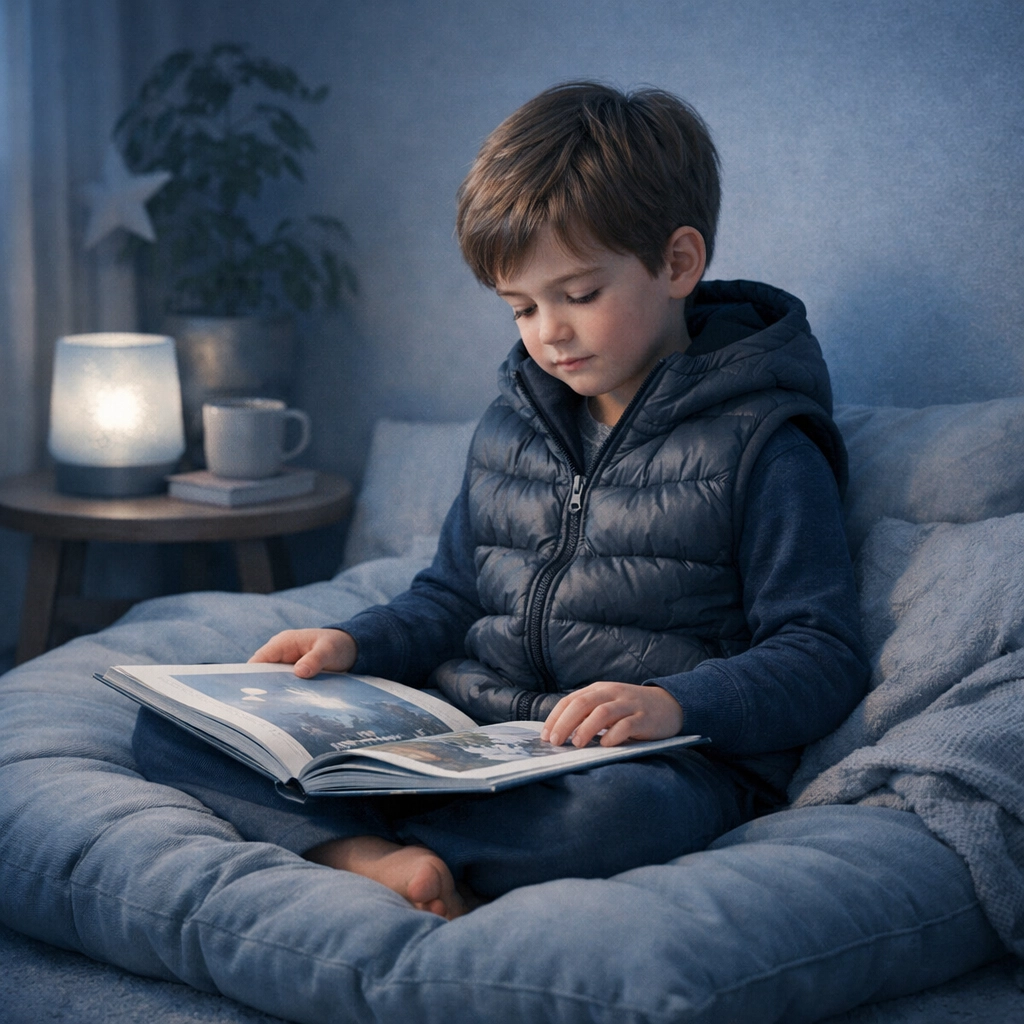
How to Choose: The Navigator’s Checklist
So, which one does your child actually need? It’s rarely a "one-size-fits-all" answer, but here is a quick guide to help you decide.
Choose Compression If:
- Your child is a "mover": They are constantly on the go and need support that moves with them.
- They are sensitive to heavy things: Some kids feel "trapped" or panicked by actual weight. Compression is a lighter alternative.
- You need a "set it and forget it" solution: You want something they can put on in the morning and wear until bedtime.
- Style matters: You want something that blends in perfectly with a normal wardrobe.
Choose Weighted Gear If:
- Your child has "meltdown" moments: You need a heavy-duty tool to help them de-escalate when they are overwhelmed.
- Sleep is the main struggle: Weighted blankets are famous for helping kids (and adults!) fall asleep and stay asleep.
- They specifically seek out heavy things: Does your child try to pile heavy books on their lap or ask you to sit on their feet? They are asking for weight.
- It’s for stationary tasks: You need them to sit still for 15 minutes of reading or a family dinner.
The "Gentle Tether" Approach: Why Style and Comfort Matter
One of the biggest complaints we hear from parents is that sensory gear often looks like it came straight out of a hospital. Neon colors, bulky straps, and scratchy Velcro can make a child feel self-conscious. At Anchor Apparel, Joe (our founder) started this company because he knew there was a better way.
We believe that sensory gear should be part of a child’s lifestyle, not a label they have to wear. Our "Gentle Tether" approach focuses on:
- Premium Fabrics: We use soft, breathable materials that feel good against the skin. No scratchy tags or irritating seams.
- Normal Aesthetics: Our designs look like high-quality loungewear. Your child can wear our compression gear to a birthday party or the grocery store, and they just look like a kid in a comfortable outfit.
- Dignity: When a child feels good in what they’re wearing, their confidence grows. Sensory support should empower them, not make them feel different.

A Note on Safety and Consultation
While we love providing the gear that helps your child thrive, we always recommend chatting with a professional. An Occupational Therapist is like the ultimate navigator. They can perform a sensory profile for your child and tell you exactly how many minutes a weighted vest should stay on, or if a specific type of compression bodysuit would be best for their specific needs.
Every child is unique. Some might thrive with a compression shirt during the day and a weighted blanket at night. Others might only need a "hug" shirt during school hours.
Wrapping Up
Whether you choose the constant "hug" of compression or the grounding "anchor" of weighted gear, the goal is the same: to help your child feel regulated, safe, and comfortable in their own skin.
You’re doing a great job, Guardian. Navigating the sensory world isn't easy, but you don't have to do it alone. At Anchor Apparel, we’re here to make sure that the tools you use are as soft, simple, and stylish as possible. Because at the end of the day, every child deserves to feel anchored.
Hey Joe, I’ve finished the guide! Once you’ve had a look and approved it, let me know so I can notify Sonny to get that Instagram post ready for our followers.