
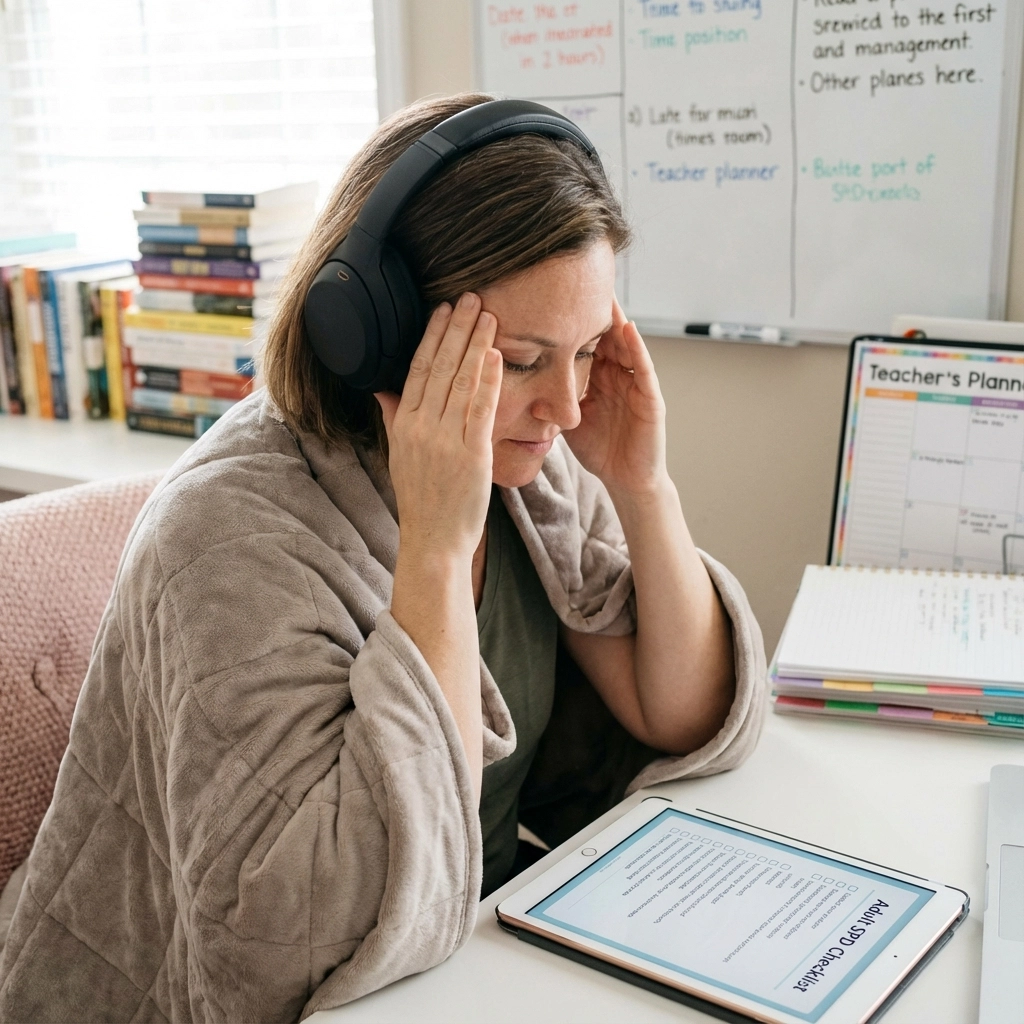
You know that feeling when someone scratches a chalkboard? That instant, full-body cringe? For adults with sensory processing disorder, everyday experiences can feel just as overwhelming. And here's the thing many people don't realize: sensory processing challenges don't just disappear when someone turns 18.
If you're a parent wondering why your adult child still struggles with certain textures, sounds, or environments, or if you're a teacher noticing unusual responses to classroom stimuli from adult learners, an adult sensory processing disorder checklist might help you understand what's going on.
What Is Adult Sensory Processing Disorder?
Sensory processing disorder in adults affects how the nervous system receives and responds to sensory information. Think of it as the brain's filing system getting a bit mixed up – some sensations get filed as "URGENT! RESPOND NOW!" while others barely register at all.
Adults with sensory processing challenges might be hypersensitive (over-responsive) to certain inputs, hyposensitive (under-responsive) to others, or even a mix of both. This isn't about being "picky" or "dramatic" – it's a real neurological difference that affects daily life in significant ways.
Breaking Down the Adult Sensory Checklist
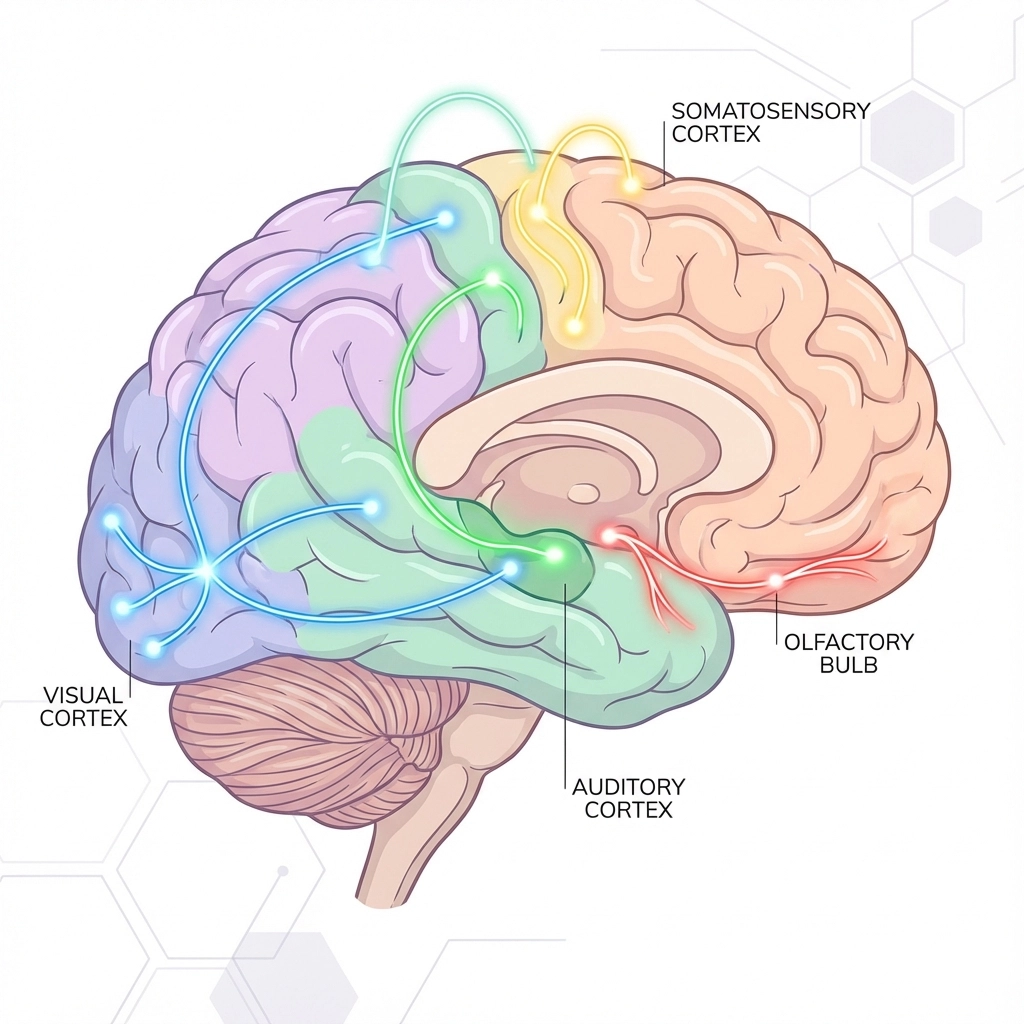
A comprehensive sensory checklist for adults covers several key sensory systems. Understanding these areas helps parents and teachers recognize patterns and provide better support.
Tactile (Touch) Sensitivities
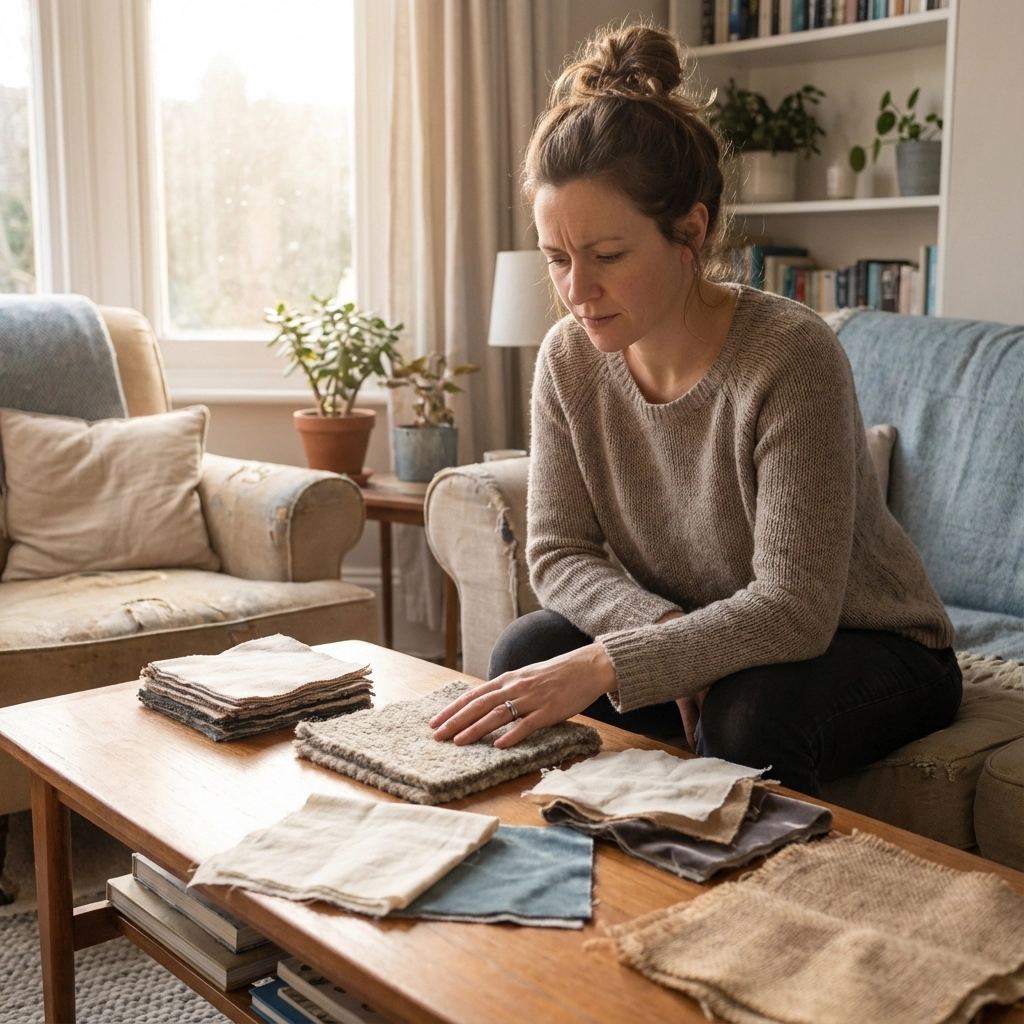
Adult sensory challenges often show up clearly in how someone responds to touch and textures. Look for:
- Extreme discomfort with clothing textures, seams, or tags
- Avoiding handshakes, hugs, or other casual touch
- Difficulty with personal hygiene tasks like showering or hair brushing
- Strong reactions to unexpected touch
- Seeking out heavy pressure or deep touch
- Trouble tolerating different food textures
Auditory (Sound) Processing
Sound sensitivities can significantly impact an adult's ability to function in typical environments:
- Covering ears or becoming distressed in noisy places
- Difficulty filtering background noise from important sounds
- Being startled easily by unexpected sounds
- Needing music or white noise to concentrate
- Difficulty following conversations in busy environments
Visual Processing Differences
Visual sensory challenges aren't just about eyesight – they're about how the brain processes what the eyes see:
- Sensitivity to bright lights or fluorescent lighting
- Difficulty with busy visual patterns or environments
- Problems with depth perception or spatial awareness
- Seeking out or avoiding certain visual stimuli
- Difficulty maintaining eye contact
Proprioceptive (Body Awareness) Challenges
Proprioception tells us where our body is in space. Adults with proprioceptive challenges might:
- Use too much or too little pressure when writing or handling objects
- Bump into furniture or people frequently
- Seek out heavy work activities like exercise or lifting
- Have difficulty knowing their own strength
- Struggle with coordination or appearing clumsy
What Parents Need to Understand
If you're a parent of an adult child with sensory processing challenges, remember that these aren't behaviors they can simply "grow out of" or control through willpower alone. Adult sensory challenges often stem from childhood sensory processing differences that were never properly addressed.
Your adult child might have developed coping strategies over the years that mask their sensory needs, making it harder to recognize when they're struggling. They might avoid certain situations entirely, have seemingly irrational preferences about clothing or environments, or experience meltdowns that seem disproportionate to the trigger.
The key is creating supportive environments and understanding that sensory regulation tools aren't childish – they're necessary accommodations for neurological differences.
Supporting Adult Learners: A Teacher's Perspective
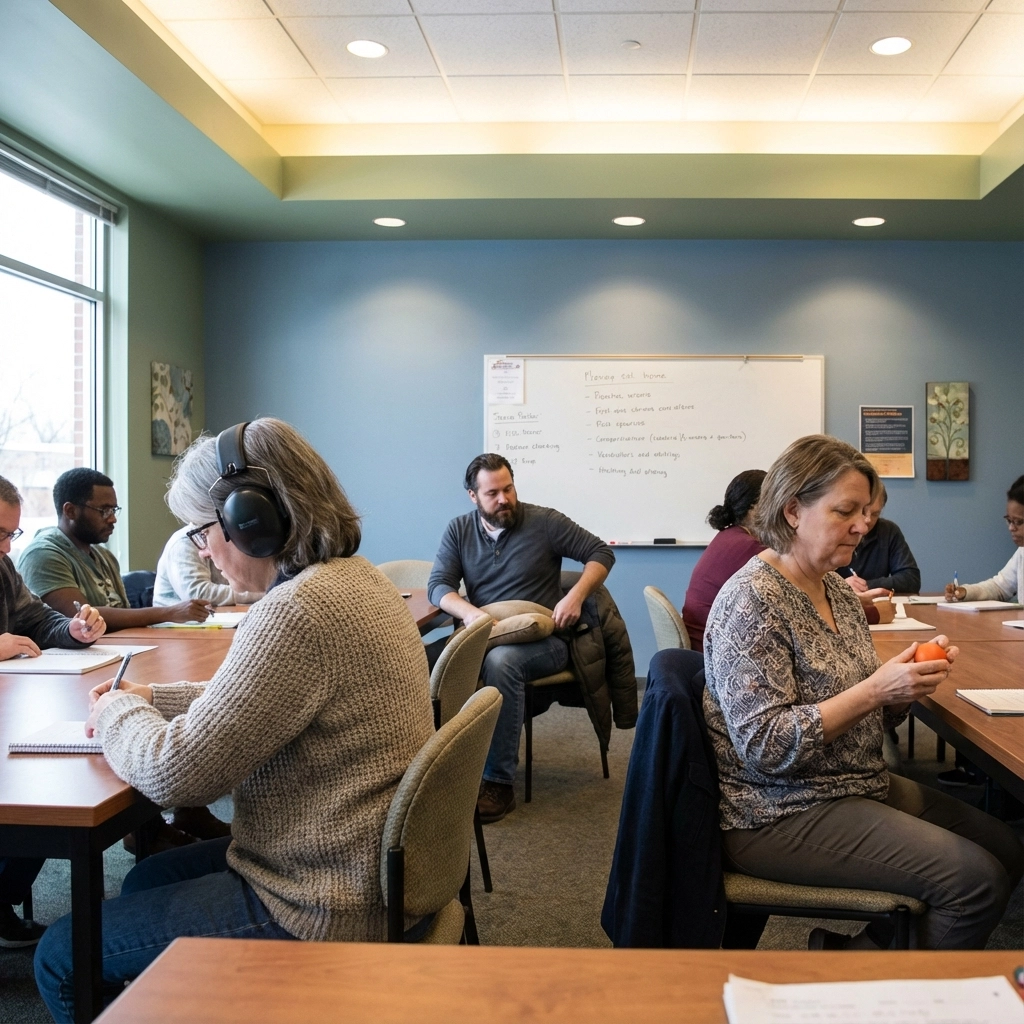
Teachers working with adult learners need to recognize that sensory processing disorder doesn't have an age limit. Adult students might struggle with:
- Classroom lighting (fluorescent lights are particularly problematic)
- Background noise from HVAC systems or hallway traffic
- Seating that doesn't provide adequate support
- Overwhelming visual displays or busy environments
- Group work that requires close physical proximity
Simple accommodations can make a huge difference: offering preferred seating, providing breaks during long sessions, allowing movement during learning, or permitting comfort items like fidget tools.
How to Use Sensory Checklists Effectively
Remember, sensory checklists are screening tools, not diagnostic instruments. They help identify patterns and areas of concern, but they're not meant to replace professional evaluation. Here's how to use them effectively:
Start by observing patterns over time rather than isolated incidents. Notice when sensory challenges are most pronounced – during stress, in specific environments, or at certain times of day.
Document specific triggers and helpful strategies. What environments or activities seem to calm or regulate? What consistently causes distress? This information is invaluable for developing effective support strategies.
Consider the whole person, not just their sensory challenges. Adult sensory challenges often intersect with other conditions like ADHD, autism, anxiety, or PTSD. A complete picture helps everyone provide better support.
Practical Sensory Regulation Tools for Daily Life
Adults with sensory processing challenges benefit from having access to regulation tools and strategies throughout their day. This might include:
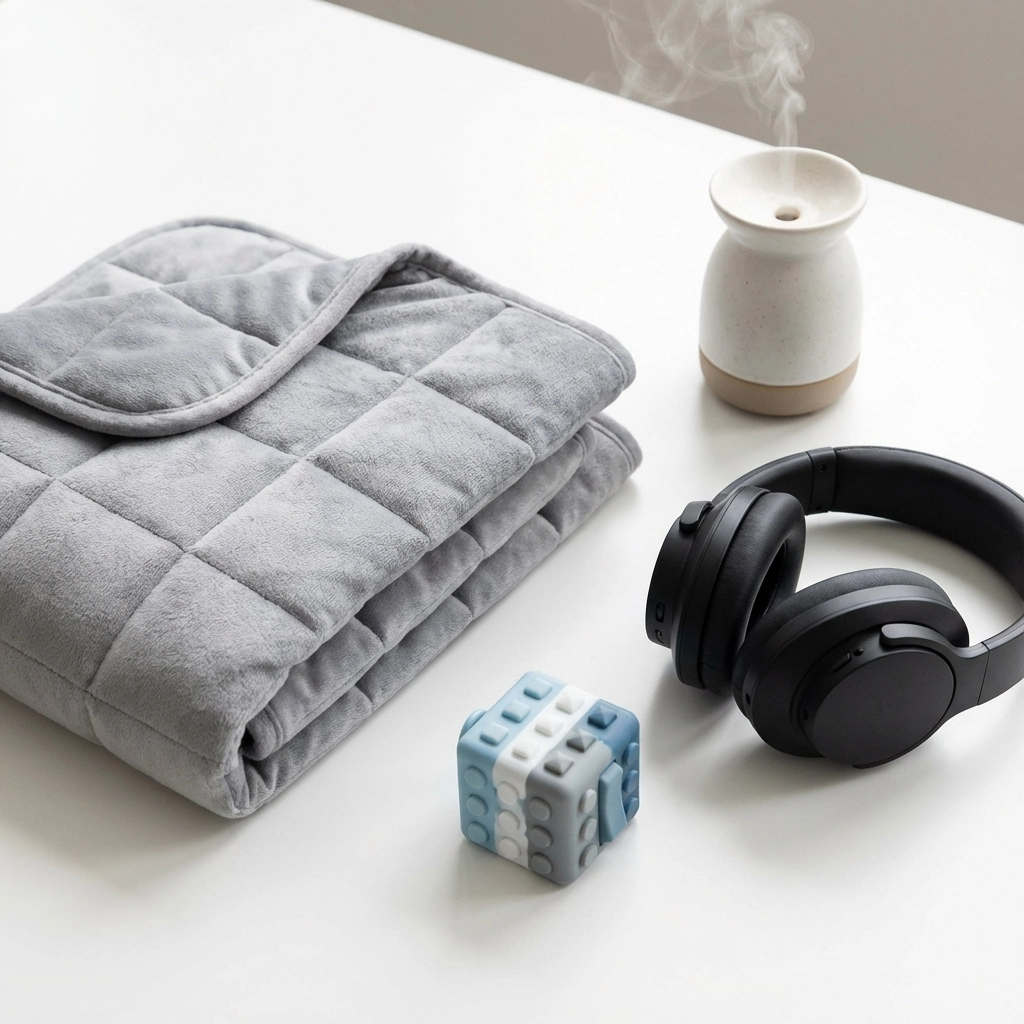
Environmental modifications like adjustable lighting, noise-canceling headphones, or weighted blankets for proprioceptive input.
Clothing considerations play a huge role in daily comfort. Many adults find relief in seamless socks, soft-touch fabrics, compression garments, or clothing without restrictive elements.
Sensory breaks throughout the day help prevent overload. This might mean stepping outside for fresh air, doing wall pushes for proprioceptive input, or using a stress ball for tactile regulation.
Building Sensory-Friendly Wardrobes
One of the most practical ways to support adults with sensory processing challenges is through thoughtful clothing choices. Comfort clothing for sensory issues has come a long way from obvious therapeutic wear.
Modern sensory-friendly clothing focuses on providing necessary sensory input while maintaining a typical appearance. This includes features like:
- Flat seams or seamless construction
- Soft, breathable fabrics that don't irritate sensitive skin
- Weighted elements integrated naturally into design
- Compression features that provide calming proprioceptive input
- Tagless designs and smooth textures
The goal is clothing that provides sensory regulation without looking medical or calling attention to differences.
Moving Forward with Understanding
Using an adult sensory processing disorder checklist is just the first step in understanding and supporting sensory differences. The real work happens in creating environments, relationships, and support systems that acknowledge and accommodate these neurological differences.
Whether you're a parent supporting an adult child or a teacher working with adult learners, remember that sensory challenges are real, valid, and manageable with the right tools and understanding.
At Anchor Apparel, we understand that sensory challenges don't disappear with age. That's why we've designed stealth stimming clothes and sensory regulation tools that work for both kids and adults. Our sensory-friendly apparel provides the comfort and input people need while maintaining a normal, non-medical appearance that fits seamlessly into everyday life.
Because everyone deserves to feel comfortable in their own skin – and their own clothes.