
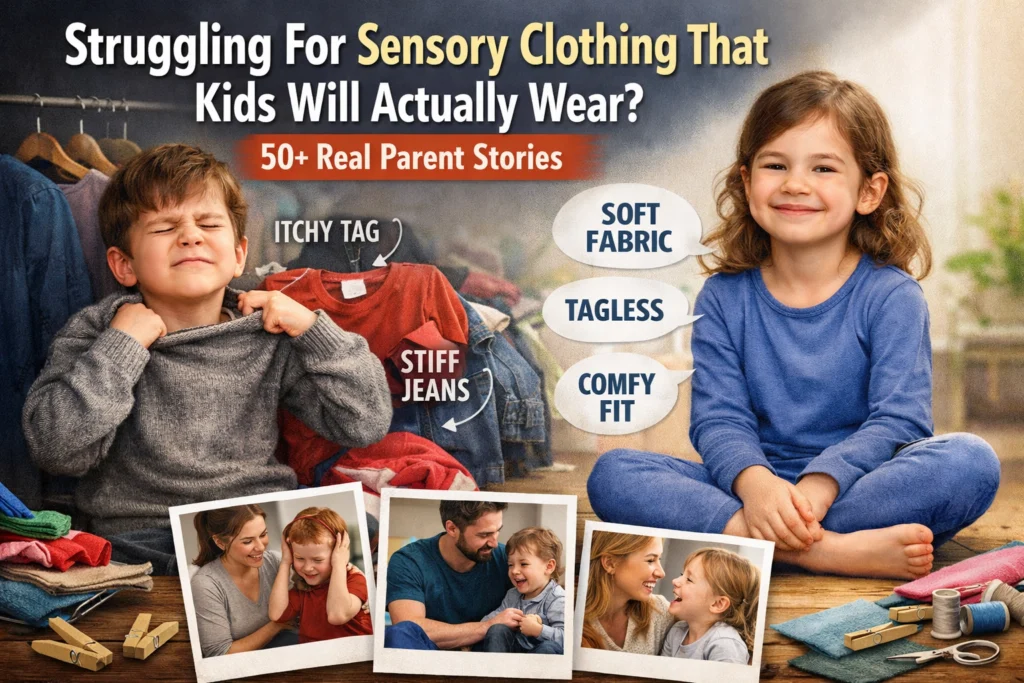
You know the morning. The one where you're already running late, and your kid is stripping off their shirt for the third time because "it feels scratchy" or "the seams are poking me." You've tried the tags-cut-out trick. You've bought the "soft" clothes. Nothing works.
And somewhere between the negotiating, the tears, and the clock ticking, you wonder: Am I the only one dealing with this?
You're not.
We've collected stories from over 50 parents who've been exactly where you are, facing the daily battle of finding sensory clothing their kids will actually keep on. And the common thread? It's not about finding "special needs" clothes. It's about finding sensory friendly clothing that looks so normal, your kid wants to wear it.
The Morning Battle Every Guardian Knows
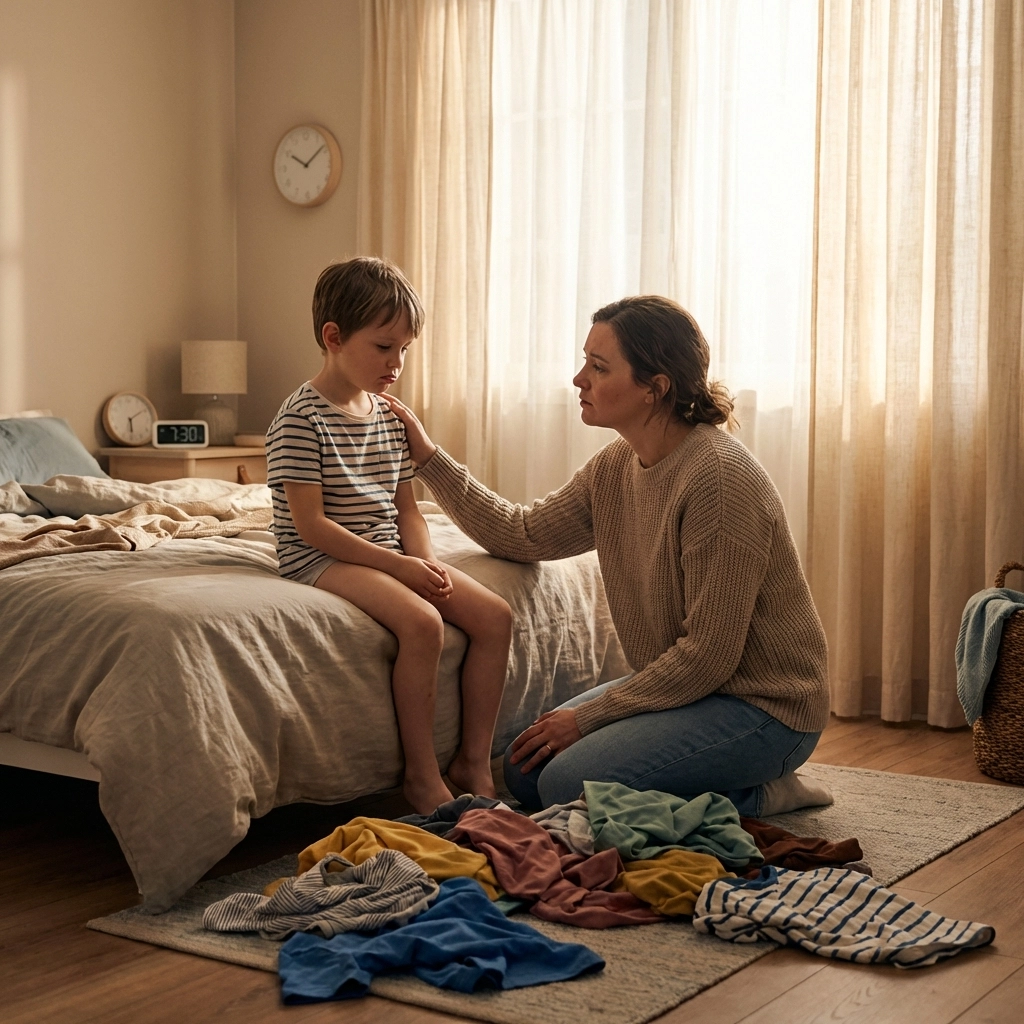
Here's what we hear constantly from parents in our community:
"My daughter would rather go to school naked than wear jeans."
"We went through six different shirt brands before finding one he'd wear past breakfast."
"She'd have a full meltdown over socks. Every. Single. Day."
Sound familiar? You're part of a club nobody asked to join, but here's the thing, you're not alone, and there's actually a fix.
The problem isn't your kid being "difficult." The problem is that most clothing companies don't design with sensory processing in mind. They slap tags right where they'll dig into necks. They use seams that create pressure points. They pick fabrics that feel like sandpaper to sensitive skin.
Your child isn't overreacting. Their nervous system is just working overtime, and traditional clothes are literally painful.
The "Static" vs. "The Gentle Tether"
Let's talk about what's actually happening inside your Navigator's body when they're fighting their clothes.
Most kids, especially those with sensory processing challenges, ADHD, anxiety, or autism, experience something we call "The Static." It's that constant background noise of sensory input that never shuts off. Tags scratching. Seams rubbing. Fabric bunching. It's like trying to focus while someone's poking you repeatedly.
When that Static gets too loud, everything falls apart. Focus goes out the window. Emotions spike. The whole day derails over a sock.
But here's where sensory clothing for kids changes the game. The right compression and weight creates what we call "The Gentle Tether", a consistent, predictable input that actually calms the nervous system down. Instead of adding to the chaos, it organizes it.
One mom in our Skool community described it perfectly: "It's like his whole body just… exhales. He stops fidgeting. He can actually sit through breakfast now."
That's not magic. That's just what happens when clothing works with your child's nervous system instead of against it.
Real Stories: What Actually Works

The Compression Breakthrough
Sarah's story is one we hear constantly. Her 7-year-old son would strip down to his underwear the second he got home from school. Every day. Without fail.
"I thought he just hated clothes in general. Turns out, he hated BAD clothes."
She tried a compression shirt under his regular tee. Within three days, he stopped the after-school strip show. Within two weeks, he asked for more.
"He told me it 'feels like a hug.' I almost cried. We bought six more."
Here's the key: the compression wasn't obvious. It looked like a regular undershirt. No medical vibe. No "special needs" label. Just stealth stimming clothes that did their job quietly.
The Weighted Hoodie Win
Then there's Marcus, whose daughter had massive anxiety around transitions: especially going to new places.
"We'd spend 20 minutes in the car before she'd even get out. Theme parks were a nightmare."
He tried a weighted hoodie: not the vest kind that screams "therapy tool," but one that looked like premium loungewear. The kind other kids would think was cool.
"First time at the mall wearing it? She walked right in. No panic. No delays. She said it felt like 'carrying my calm with me.'"
That's the power of sensory friendly clothing that doesn't look like sensory friendly clothing.
The School Day Game-Changer
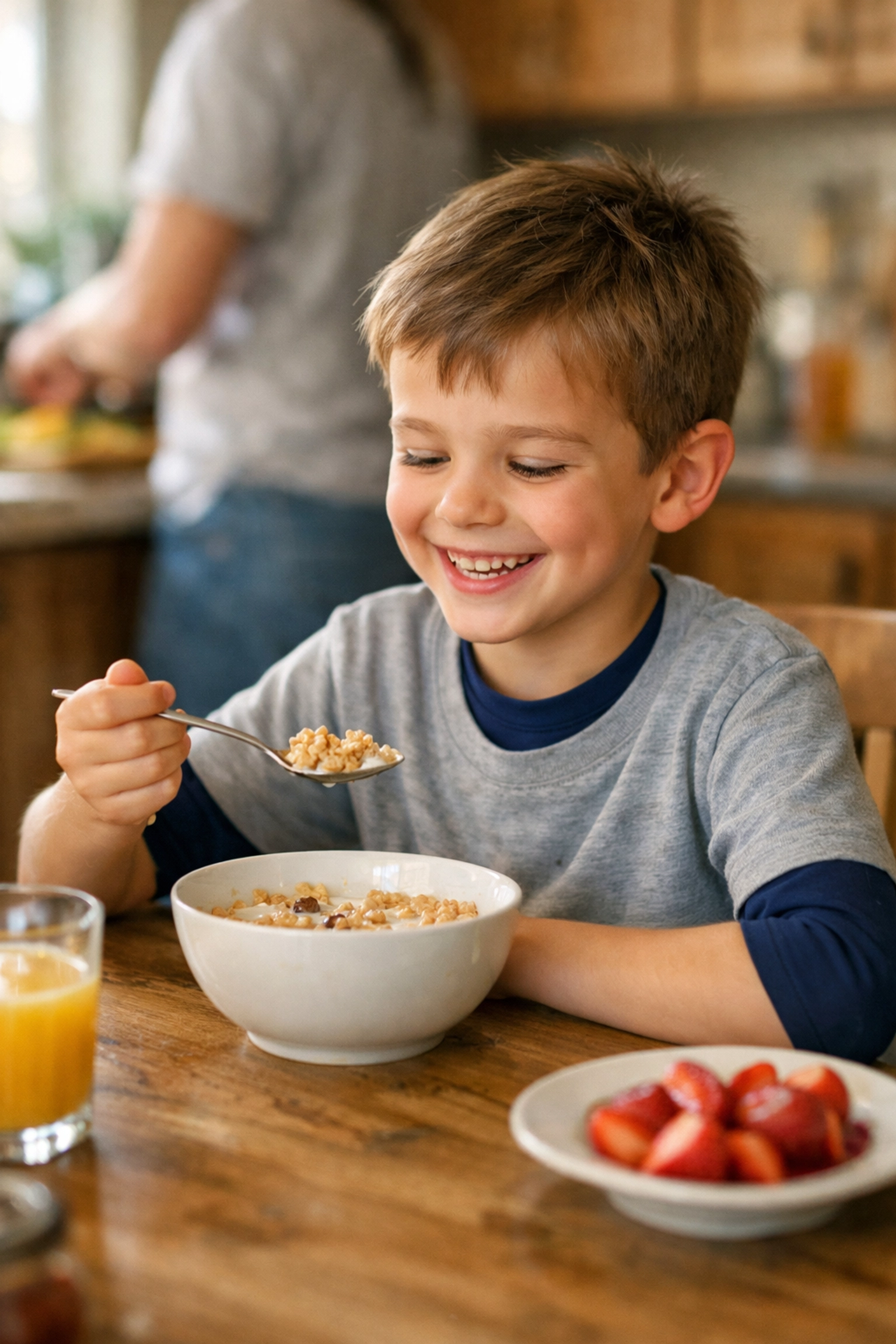
Lisa's son has ADHD and would come home from school completely dysregulated: bouncing off walls, unable to focus on homework, melting down over nothing.
"His teacher said he was constantly moving in his seat, pulling at his clothes, never settling."
She started sending him to school in compression clothing under his regular outfit. The change was immediate.
"His teacher emailed me after three days asking what we changed. He was sitting through lessons. Participating. Actually completing work."
The best part? None of his classmates knew. He just looked like he was wearing normal clothes. No questions. No feeling different. Just regulation happening in the background.
Why "Looking Normal" Actually Matters
Here's something parents don't always talk about: kids are deeply aware when they stand out.
Medical-looking vests? Kids know.
Obviously "special" clothes? They feel it.
Anything that makes them look different from their friends? That's a hard no.
This is where the stealth stimming approach changes everything. When sensory clothing looks like premium athleisure or high-end loungewear, kids don't feel labeled. They just feel comfortable.
One dad put it this way: "My daughter wears her weighted hoodie to sleepovers. Her friends think it's just a cool hoodie. She knows it's her secret weapon for staying calm. Win-win."
That's the goal: regulation without the spotlight.
The Details That Make or Break It
Parents who've found success with sensory clothing all mention the same key features:
Tagless everything. Not "cut the tag out." Actually manufactured without tags. Because even the remnants can cause problems.
Flat seams. Traditional seams create pressure ridges that sensitive skin picks up on immediately. Flat seams disappear.
Soft, breathable fabric. Not just "cotton." We're talking moisture-wicking, temperature-regulating materials that don't get clammy or clingy.
True-to-size or slightly loose. Too tight feels restrictive. Too loose doesn't provide enough input. The fit has to be just right.
Style that doesn't scream "therapy." This is huge. Kids will reject anything that makes them feel different, no matter how comfortable it is.
You're Not Alone (And There's Proof)
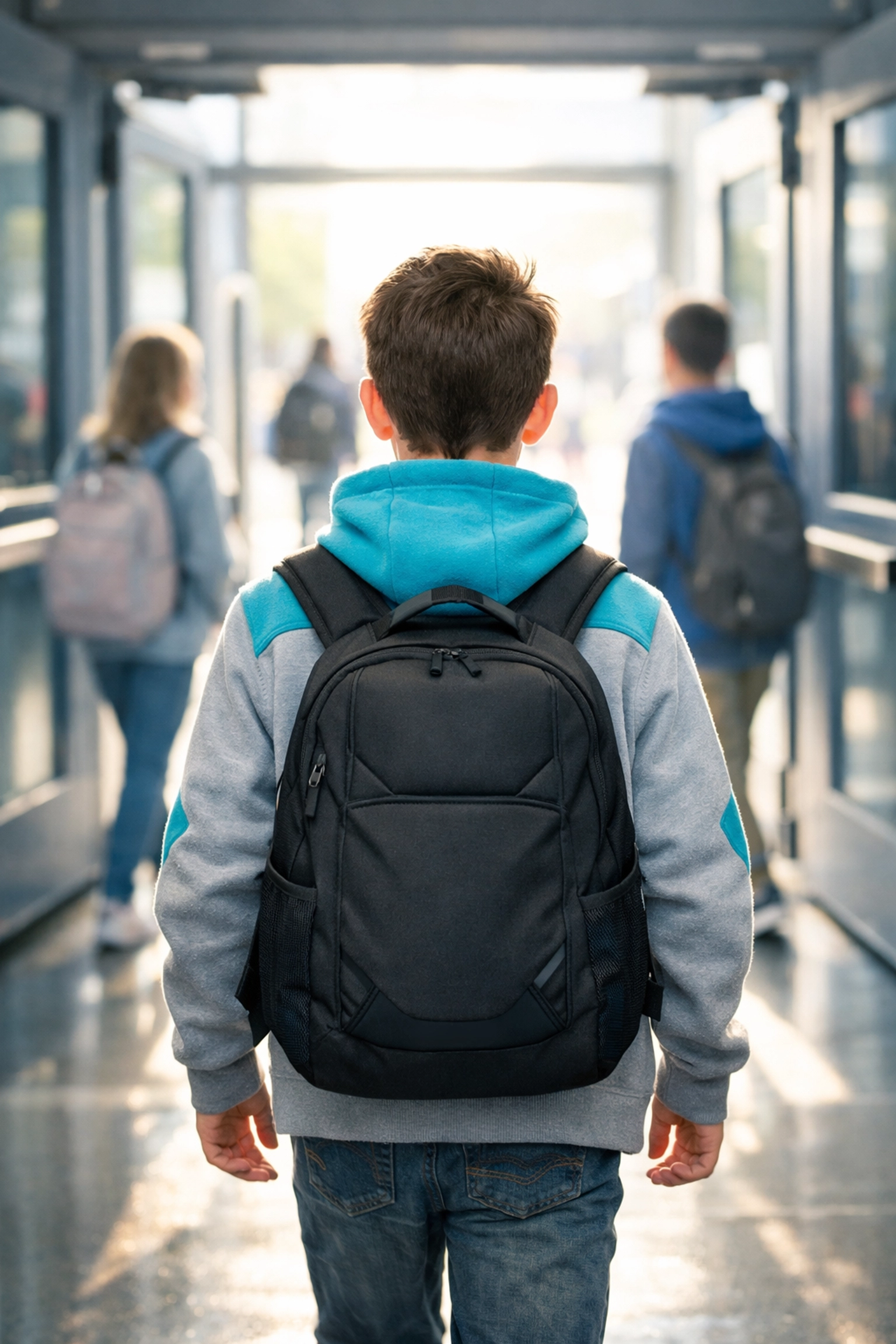
The most powerful thing about collecting these 50+ parent stories? Realizing how common this struggle is.
You're not failing. Your kid isn't broken. You're just working with a nervous system that needs a different approach.
In our Skool community, parents share wins daily:
"First morning without a clothing fight in THREE MONTHS."
"He wore pants to school. PANTS. I thought this day would never come."
"She slept in her compression shirt. Said she didn't want to take it off."
These aren't miracle stories. They're just what happens when sensory clothing for kids actually fits the need.
The Shift From Fighting to Flowing
Here's what changes when you find sensory friendly clothing that works:
Mornings get easier. The negotiating stops. Your Navigator gets dressed without the battle.
School days improve. Teachers report better focus, less fidgeting, improved emotional regulation.
Your stress drops. When your kid isn't fighting their clothes, you're not fighting them about clothes.
One mom summed it up perfectly: "I didn't realize how much of my day was spent managing clothing crises until they stopped happening."
That's not a small thing. That's getting your mornings back. That's sending your kid to school regulated and ready. That's breathing room for both of you.
Finding Your Navigator's Solution
Every kid is different. Some need compression. Some need weight. Some need both.
The key is starting simple and paying attention to what works. Does your Navigator calm down with tight hugs? Compression might be the answer. Do they seek out heavy blankets or weighted stuffed animals? Weight-based clothing could be the solution.
And remember: this isn't about finding "special" clothes. It's about finding clothes that work with your child's unique nervous system while looking like something any kid would wear.
Join the Conversation
Want to hear more parent stories and share your own wins? Our Skool community is full of Guardians who get it. Real stories. Real solutions. Real support.
Because at the end of the day, you're not looking for medical equipment. You're looking for clothes your kid will actually wear: stealth stimming clothes that help them feel grounded without making them feel different.
And based on 50+ parent stories? That's absolutely possible.