
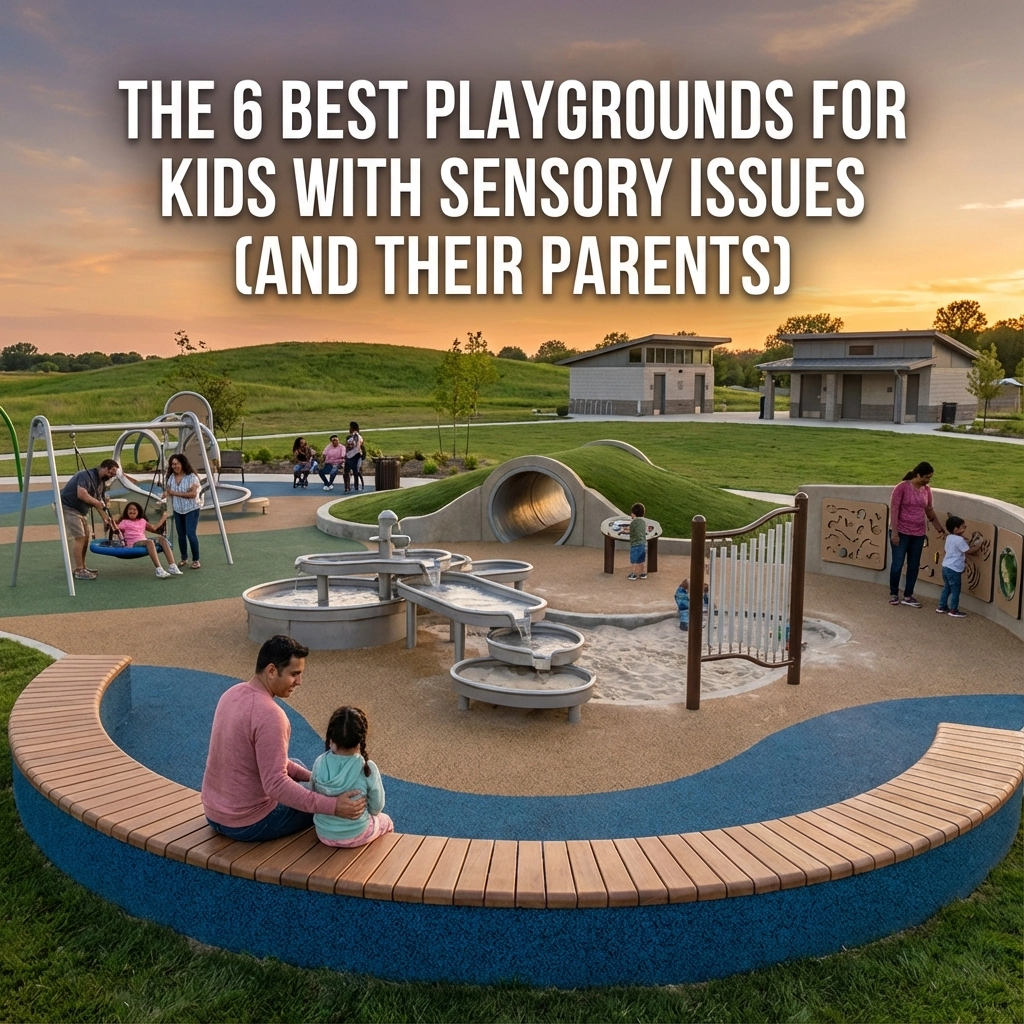
Finding the perfect playground for kids with sensory challenges doesn't have to feel like searching for a unicorn. While traditional playgrounds can sometimes feel overwhelming with their loud equipment, crowded spaces, and lack of accommodating features, sensory-friendly playgrounds are popping up everywhere – and they're absolutely game-changing for families.
Whether your child has autism, ADHD, or just processes the world a little differently, these specially designed play spaces offer the perfect balance of excitement and comfort. Plus, they're pretty amazing for neurotypical kids too! Let's dive into six incredible playgrounds that actually "get it" when it comes to sensory needs.
1. St. David's Center for Child and Family Development (Minnetonka)
This place is basically the gold standard of inclusive playgrounds. Designed for ages 3-10, every single piece of equipment here was chosen with motor, cognitive, and social development in mind.
What makes it special? The fenced area (hello, peace of mind for parents!) features side-by-side slides perfect for parallel play, plus extra-large musical instruments that won't overwhelm sensitive ears. The real showstopper is their rumble-roller slide – it provides that deep pressure input that many kids with sensory challenges crave.
But wait, there's more! They've got a nature play section with a dry creek bed and mud kitchen, plus an adjacent DNR-certified forest. It's like having multiple sensory experiences in one spot. Open 6-9 PM on weekdays and 8 AM-9 PM on weekends, so you can pick the quieter times if your kiddo needs less crowd energy.
2. Madison's Place (Woodbury)
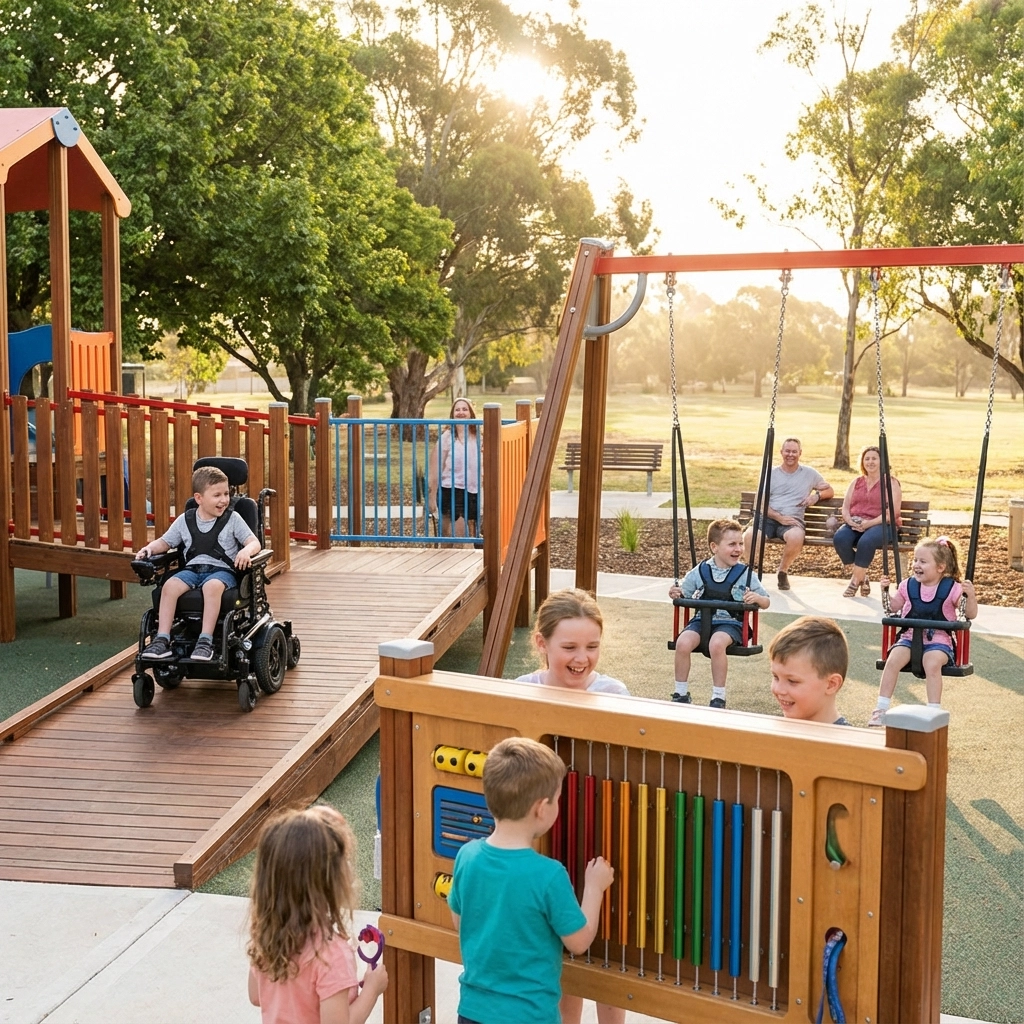
At 16,000 square feet, Madison's Place isn't messing around. This all-inclusive playground was built on one simple but powerful principle: no disability should prevent a child from playing. Period.
The wheelchair-accessible ramps mean everyone can get everywhere, and the rubberized surfaces are gentler on falls (because let's be real, falls happen). The accessible restrooms are a parent's dream – no more stressing about bathroom breaks during playground time.
What really sets this place apart is how they've integrated adaptive play equipment that doesn't scream "special needs." Kids are just kids here, playing together without the weird stares or awkward questions from other families.
3. Rosland Park Universal Playground (Edina)
This playground gets major points for understanding that sensory processing affects way more than just physical abilities. Designed specifically for children with physical, sensory, and developmental disabilities, every element here serves a purpose.
The layout reduces overwhelming sensory input while still providing plenty of stimulation for kids who need it. It's that sweet spot between "boring" and "too much" that can be so hard to find in traditional playgrounds.
4. Augsburg Adventure Park (Richfield)
Here's something cool – this playground is actually sensory-certified. That means professionals who understand autism and sensory processing disorders gave it their stamp of approval.
The wheelchair accessibility includes two transfer stations (genius!), plus therapeutic rings and turning bars that provide proprioceptive input. These features aren't just accommodations – they're actually therapeutic tools disguised as fun playground equipment.
5. Woodhaven Destination All-Play (Eagan)
Built in 2020, this playground represents the latest thinking in inclusive design. The "all-play" concept means every child, regardless of ability, can participate in the same activities alongside their peers.
What's particularly smart about newer playgrounds like this one is how they've learned from previous designs. The equipment placement considers sensory flow, noise levels, and escape routes for kids who might need a quick break.
6. Baker Park Reserve (Maple Plain)
Don't let the "reserve" name fool you – this isn't just a nature walk. The creative play area here includes inclusive equipment designed for all ages, which is huge for families with multiple kids at different developmental stages.
Being in a park setting adds natural sensory breaks with trees, open space, and generally calmer energy than urban playgrounds. Sometimes that little bit of nature connection is exactly what a overstimulated kiddo needs.
Making the Most of Your Sensory Playground Adventure
Even the most thoughtfully designed playground can feel overwhelming without the right preparation. Here are some tried-and-true strategies that actually work:
Timing is everything. Hit these playgrounds during off-peak hours when possible. Early morning or later evening tends to be calmer, and many of these locations track their busy times online.
Bring the sensory toolkit. Noise-reducing headphones, fidget toys, and a comfort item can be lifesavers. But here's where sensory clothing really shines – the right outfit can provide ongoing comfort throughout the visit.
Scout it out first. If possible, walk through the playground without your child first, or check out photos online. Knowing the layout helps you plan escape routes and identify the best starting points for your kiddo.
How Sensory-Friendly Clothing Changes the Game
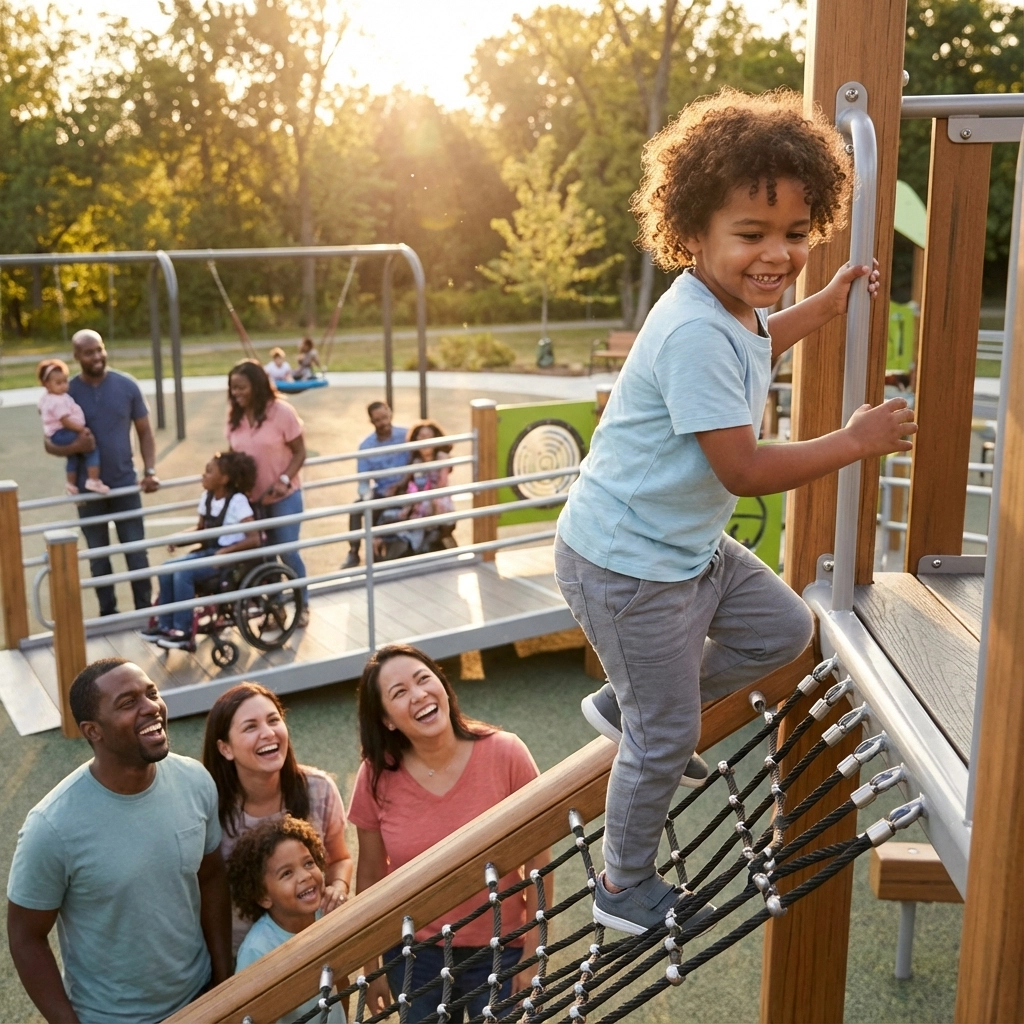
Here's something many parents don't realize: what your child wears to the playground can make or break the experience. Traditional playground clothes often work against kids with sensory challenges – scratchy tags, tight waistbands, or loose fabric that bunches up can turn a fun outing into a meltdown waiting to happen.
Sensory clothing for kids is designed to work with, not against, your child's nervous system. Think soft, tagless materials that provide gentle compression (like a constant, comforting hug), flat seams that won't irritate, and cuts that allow for full movement without restriction.
For kids who seek deep pressure, weighted elements in clothing can provide calming input throughout playground time. For those who are sensitive to touch, super-soft fabrics and barely-there seams make all the difference.
The beauty of modern sensory friendly clothing is that it looks completely normal. No one at the playground will know your child's hoodie is providing therapeutic deep pressure or that their leggings have seamless construction. It's stealth stimming clothes at its finest – all the benefits, none of the medical appearance.
Beyond the Twin Cities: What to Look For Anywhere
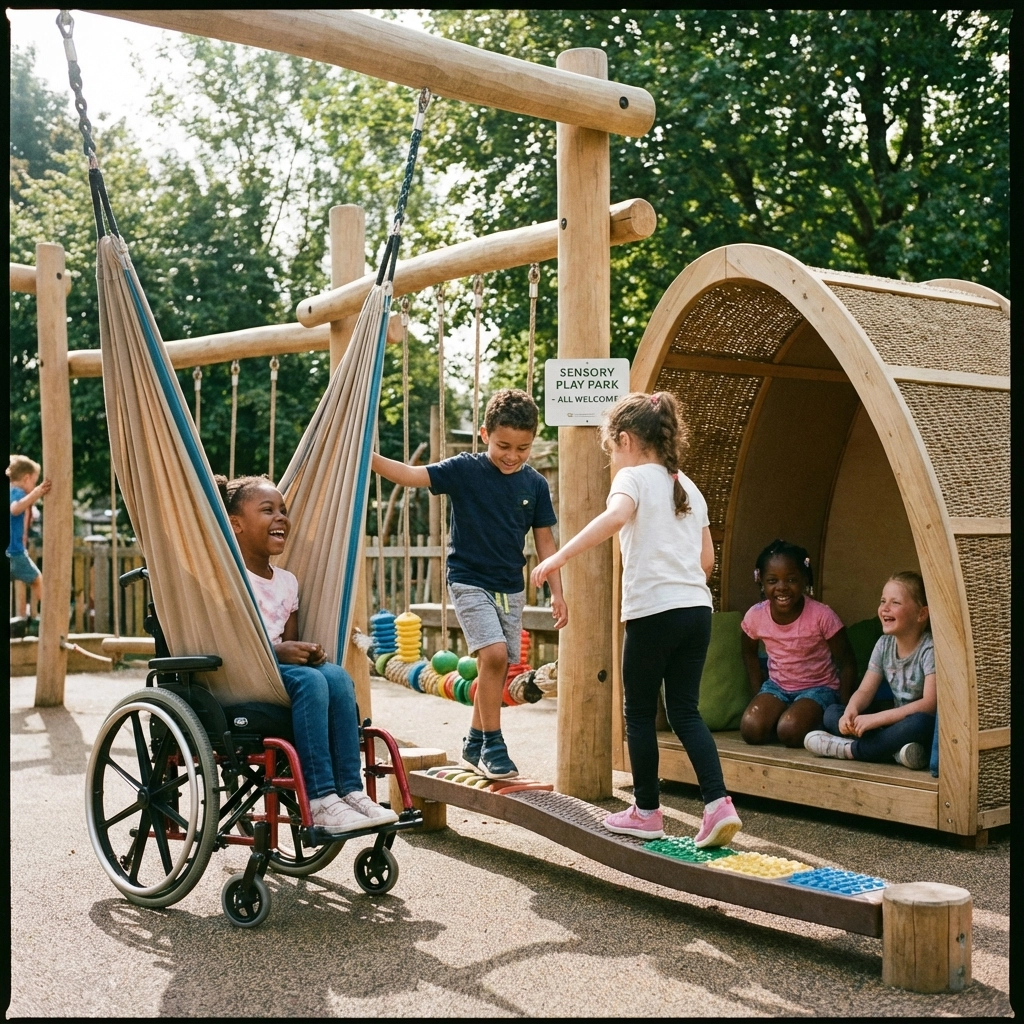
Can't make it to Minnesota? No problem. When scoping out playgrounds in your area, look for these sensory-friendly features:
Enclosed or partially enclosed areas – Reduces the feeling of being overwhelmed and provides natural boundaries
Multiple types of swings – Including bucket swings, therapy swings, or even sensory swings that provide different types of vestibular input
Quiet zones – Spaces away from the main action where kids can decompress
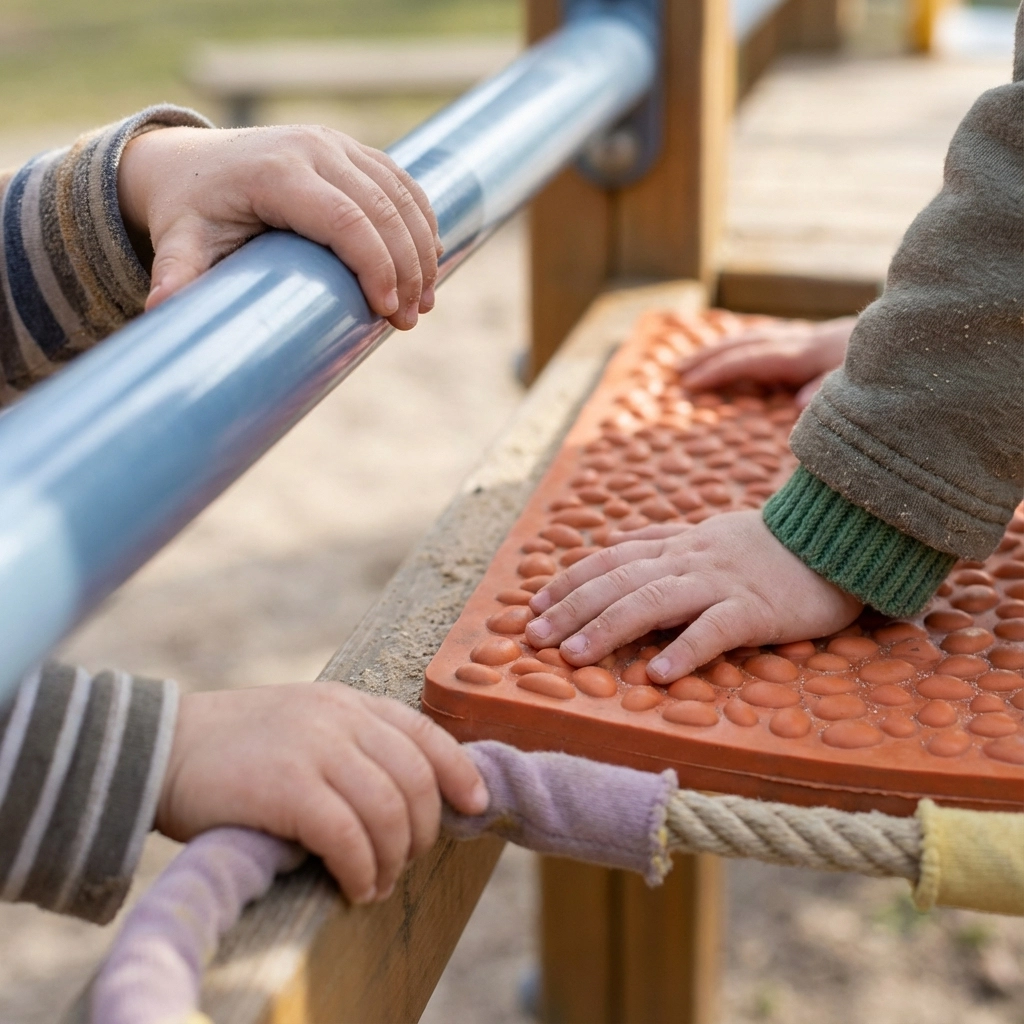
Varied textures and surfaces – From smooth to bumpy to everything in between, giving kids choices about their sensory input
Visual barriers – Elements that break up sight lines can help reduce visual overwhelm
The Bigger Picture
These playgrounds represent something bigger than just inclusive design – they're changing how we think about public spaces for all kids. When we design with autism and sensory challenges in mind, we create better experiences for everyone.
Kids without sensory issues benefit from these thoughtful designs too. Parents stress less. Families can actually enjoy outings together instead of just surviving them.
The fact that places like St. David's Center and Madison's Place exist shows we're moving in the right direction. More communities are recognizing that play isn't a luxury – it's a necessity for all kids, regardless of how their brains work.
So next time you're planning a family adventure, consider seeking out one of these sensory-friendly gems. Pack the right sensory clothing, plan for success, and watch your kiddo experience the pure joy of inclusive play. Because every child deserves to feel that magic of the perfect playground day.
Whether you're local to the Twin Cities or exploring options in your own community, remember that the best playground is the one where your child feels comfortable, confident, and free to just be themselves. And with the right preparation – including sensory-friendly clothing that works as hard as you do – those perfect playground days are absolutely within reach.