
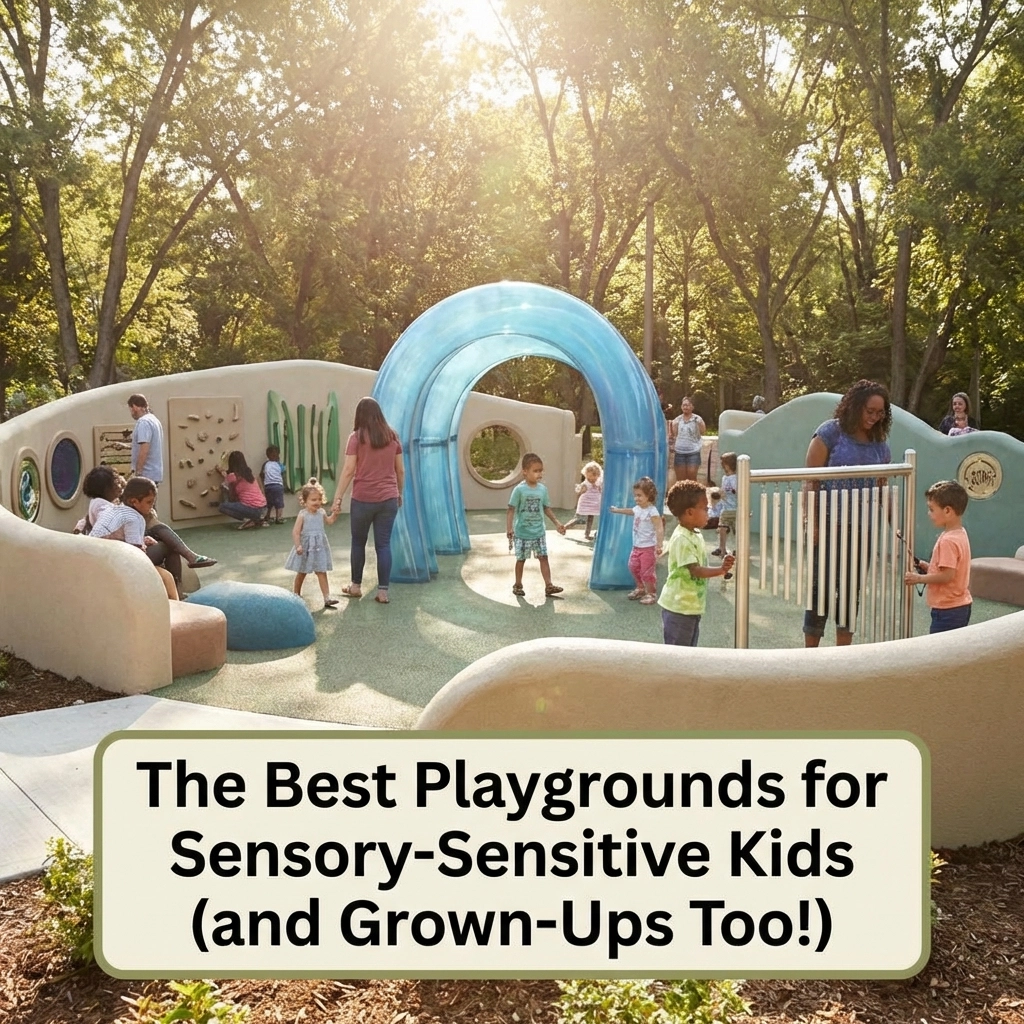
Finding the perfect playground shouldn't feel like searching for a needle in a haystack, but for families with sensory-sensitive kids, it often does. You know the feeling – you arrive at what looks like an amazing playground, only to realize it's too loud, too chaotic, or missing the sensory features your child needs to actually enjoy their time there.
The good news? Sensory-friendly playgrounds are popping up everywhere, and we're here to help you find them (plus share some creative workarounds when you can't).
Why Playgrounds Matter for Sensory Regulation
Before we dive into the fun stuff, let's talk about why this matters. Playgrounds aren't just about burning energy – they're sensory powerhouses that help kids (and adults!) regulate their nervous systems. The swinging motion calms an overstimulated mind, tactile play helps with sensory processing, and having choices gives everyone a sense of control.
For neurodivergent kids and adults with sensory differences, the right playground can be the difference between a meltdown and a magical afternoon. It's about finding spaces that work with your sensory needs, not against them.
What Makes a Playground Truly Sensory-Friendly?
Not all playgrounds are created equal. Here's what to look for when scouting your next adventure:
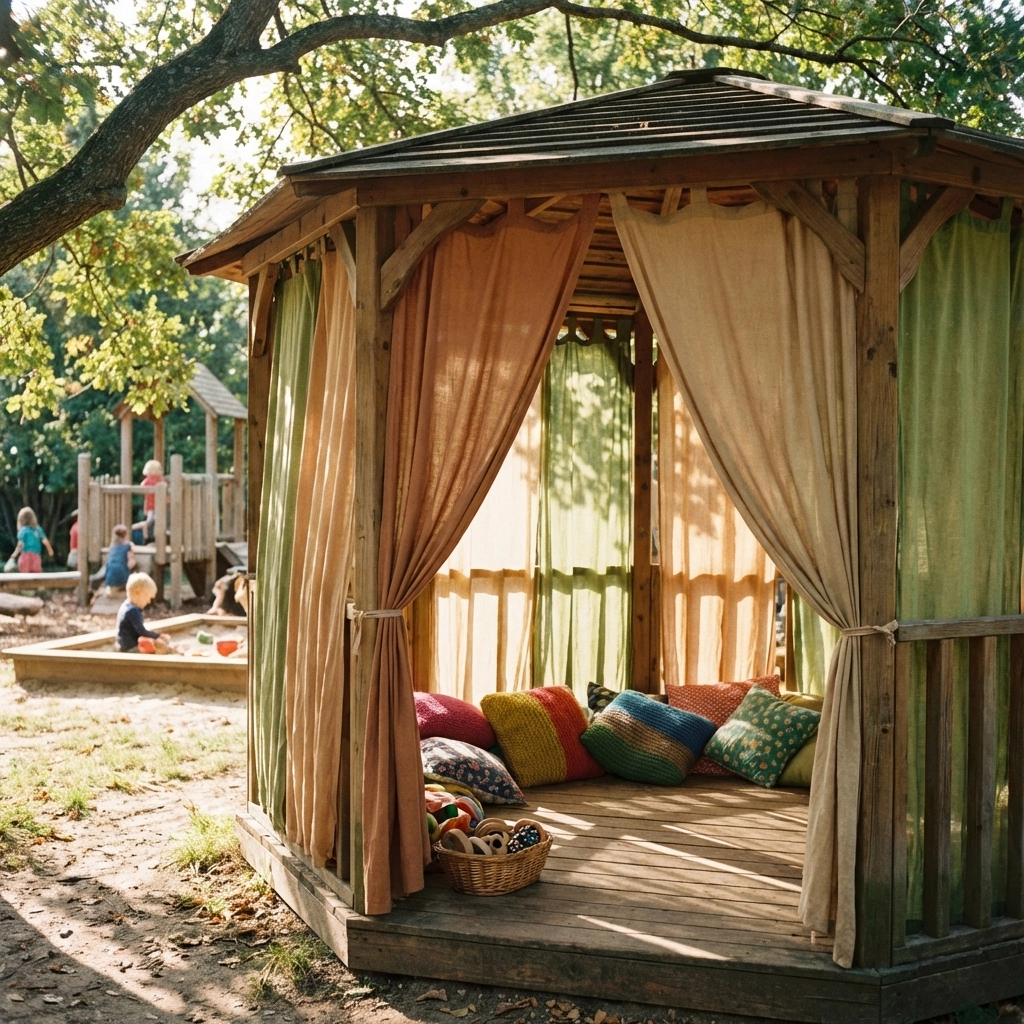
Quiet Corners and Retreat Spaces
The best sensory-friendly playgrounds have built-in escape routes. Look for shaded huts, small enclosed areas, or cozy nooks where someone can decompress when things get overwhelming. These quiet zones are lifesavers during busy playground days.
Swings (Lots of Them!)
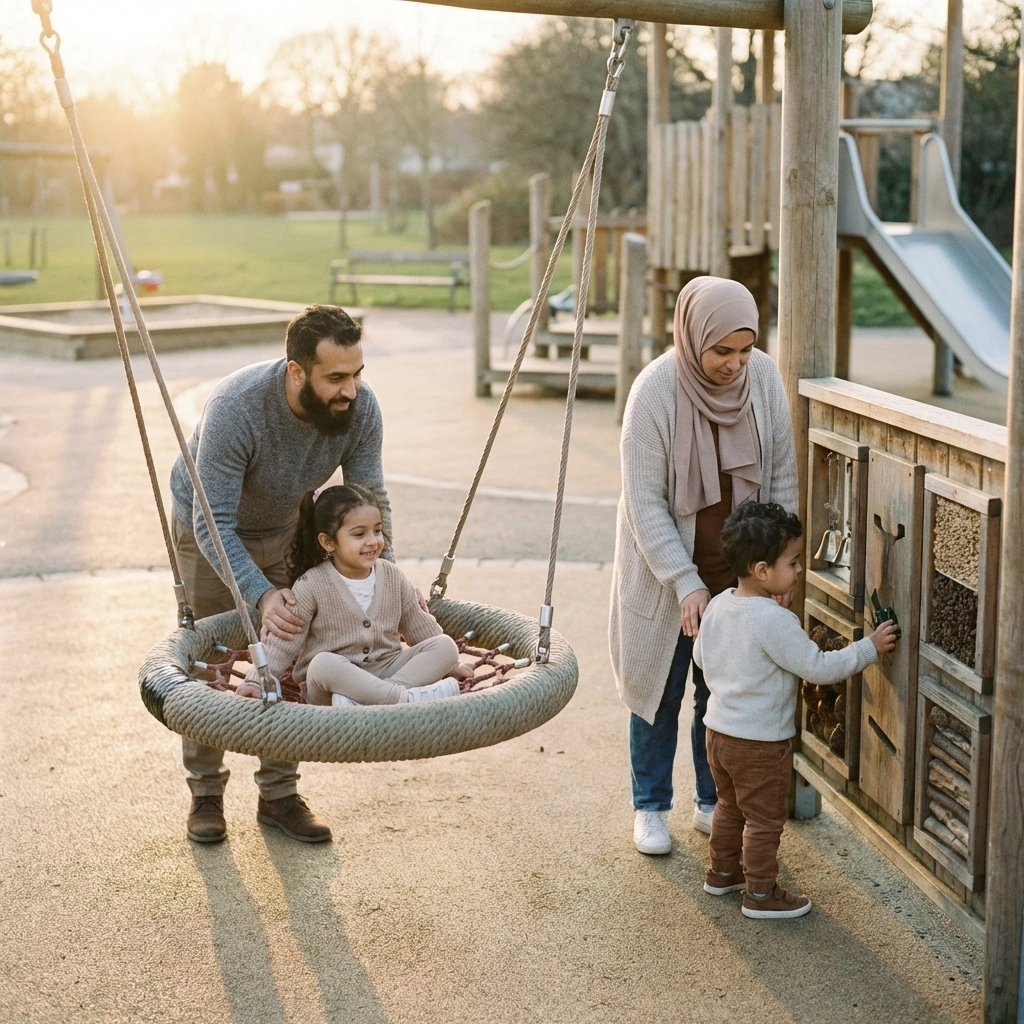
Cocoon swings, tire swings, and traditional swings all provide that crucial vestibular input. The gentle, rhythmic motion is like a reset button for the nervous system. Bonus points if the playground has swings designed for different ages and abilities.
Sensory Panels and Interactive Elements
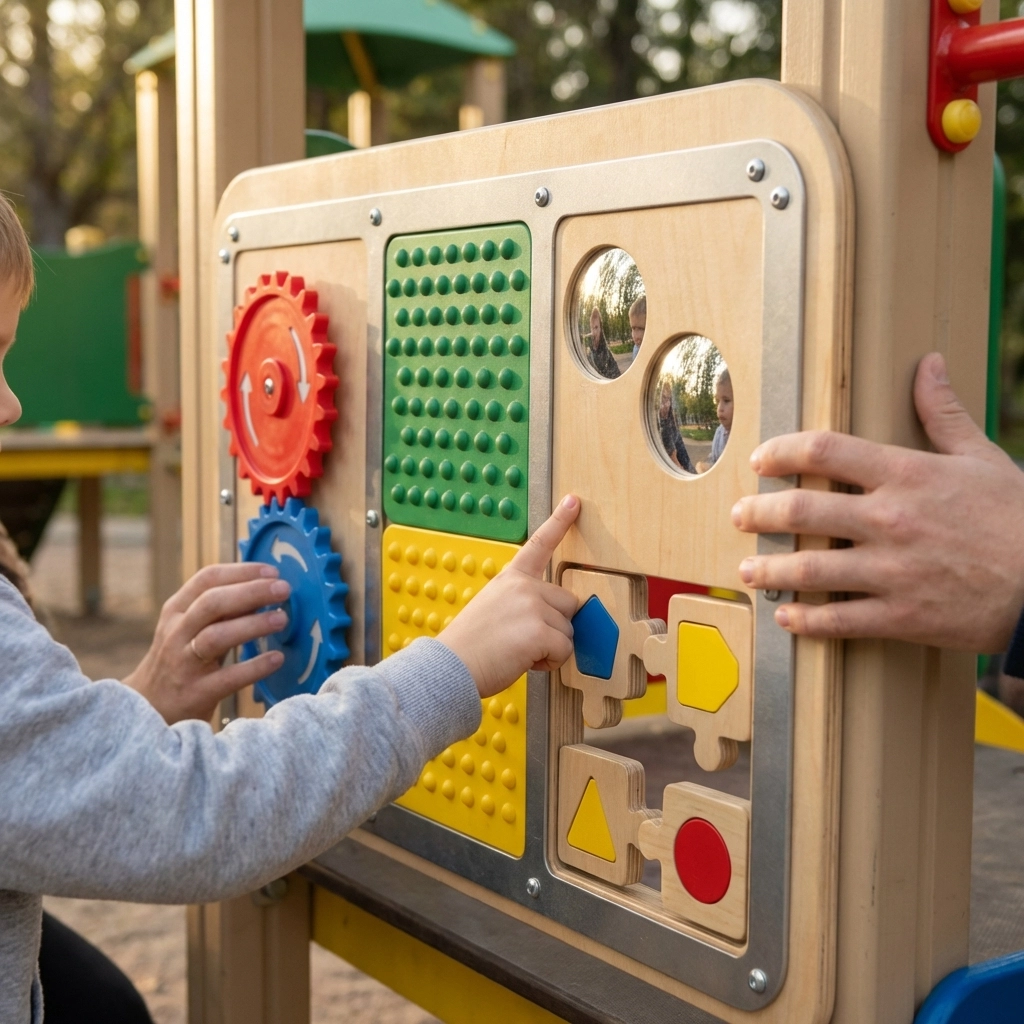
These aren't just pretty decorations – sensory panels with spinners, mirrors, puzzles, and different textures encourage exploration while promoting focus. They're perfect for kids who need to touch and investigate everything around them.
Predictable Layouts and Clear Pathways
Anxiety loves uncertainty, but sensory-friendly playgrounds fight back with clear, logical layouts. Look for color-coded zones that help kids understand where different activities happen, and wide, obvious paths that make navigation stress-free.
Adaptive and Inclusive Equipment
The best playgrounds welcome everyone. This means accessible ramps, ground-level play features, and equipment designed for kids with different physical abilities. When everyone can play together, magic happens.
Real Playgrounds Getting It Right
Let's get specific. Here are some standout examples of sensory-friendly playgrounds that are crushing it:
Senses Park in Bonne Terre, Missouri is basically the gold standard. This playground was specifically designed for children with autism and sensory processing challenges. It features color-zoned play areas (brilliant!), musical instruments for auditory exploration, quiet retreat spaces, and interactive tactile panels. It's proof that when you design with intention, everyone wins.
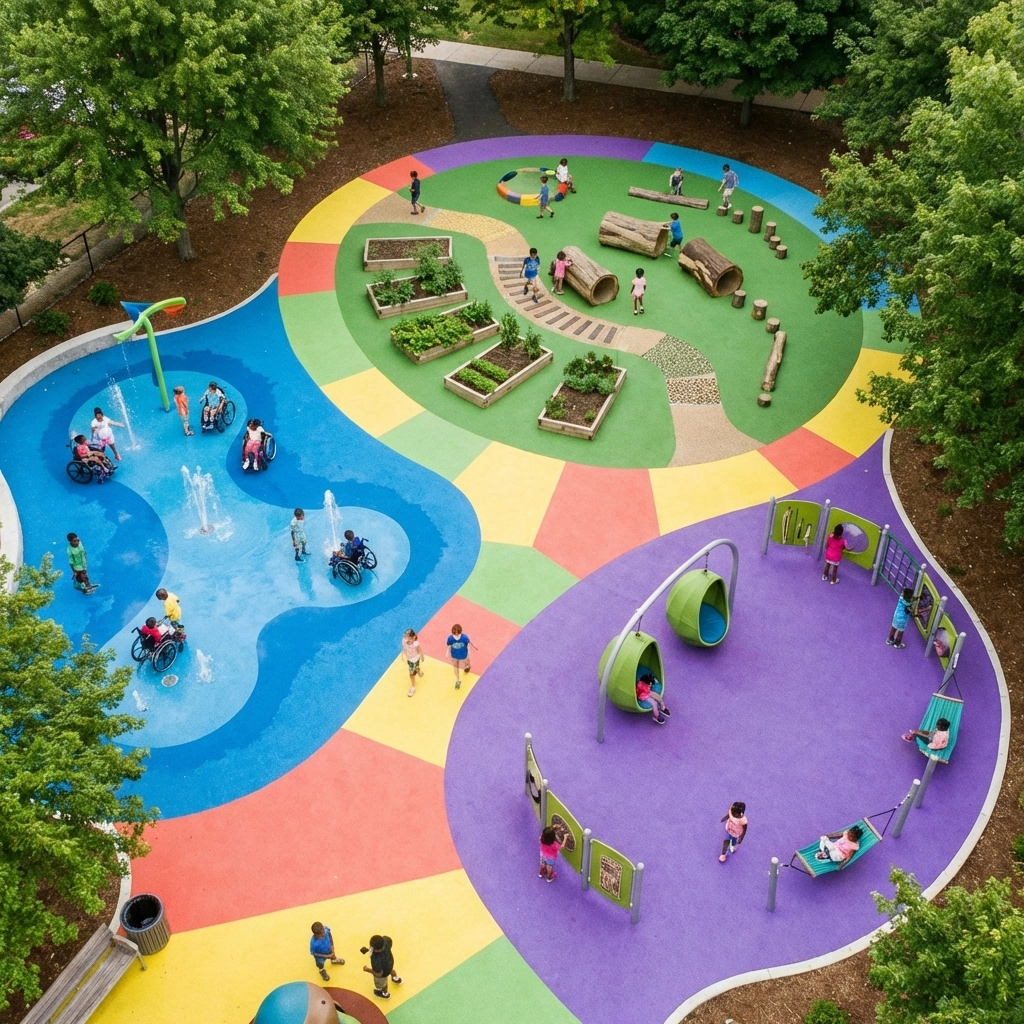
BREC Community Parks in Louisiana (Zachary, Highland, and North Sherwood Forest locations) have nailed the inclusive playground game. They feature wheelchair-friendly access to multi-sensory panels and musical toys, making sure accessibility and sensory support go hand-in-hand.
Augsburg Adventure Park in Richfield, Minnesota earned official sensory certification from Fraser. When a playground gets that kind of professional recognition, you know they're doing something special.
The common thread? These playgrounds prioritize choice, calm spaces, and sensory input variety. They prove that inclusive design benefits everyone, not just those with specific needs.
DIY Solutions When Perfect Playgrounds Are Hard to Find
Can't find a sensory-friendly playground nearby? No problem. Here are some creative ways to make any playground work better:
Timing Is Everything
Hit the playground during off-peak hours. Early mornings and late afternoons often mean fewer crowds and less sensory overload. Weekdays can be golden if your schedule allows it.
Bring Your Own Sensory Kit
Pack noise-reducing headphones, a small fidget toy, or even a portable sensory break kit. Sometimes having familiar items makes unfamiliar spaces feel safer.
Create Quiet Zones
Claim a bench or shaded area as your designated quiet space. Let your kids know this is their retreat spot if things get too intense. Having an established "safe base" can make all the difference.
Focus on One Area at a Time
Instead of trying to experience the entire playground at once, pick one section to explore thoroughly. This reduces overwhelm and lets everyone settle into the space gradually.
Don't Forget the Grown-Ups
Here's something most playground articles skip: adults have sensory needs too! If you're a sensory-sensitive grown-up accompanying kids to the playground, your comfort matters just as much.
Look for playgrounds with:
- Adequate seating in both sun and shade
- Clear sightlines so you can supervise without feeling anxious
- Parking that doesn't require a long walk across loud, busy areas
- Bathrooms and water fountains (basic needs that become crucial during sensory challenges)
And hey, don't feel guilty about enjoying the sensory equipment yourself. Those swings aren't just for kids, and many adults find the rhythmic motion just as calming.
Your Perfect Adventure Layer
Speaking of comfort, we'd be remiss not to mention that having the right gear can make any playground adventure better. Our gentle weighted hoodie has become a favorite "adventure layer" for families heading out to explore. The subtle deep pressure can be incredibly grounding during exciting (but potentially overwhelming) playground visits.
Building Sensory-Smart Outdoor Habits
The best sensory-friendly playgrounds teach us something important: sensory needs don't disappear when we step outside. Whether you're dealing with sensory processing disorder, autism, ADHD, or just someone who gets overwhelmed easily, outdoor play can be incredibly therapeutic when approached thoughtfully.
Start small, pay attention to what works, and don't be afraid to leave early if needed. Every positive playground experience builds confidence for the next one.
Regional Gems to Explore
Keep an eye out for these types of regional playground innovations:
- Latex-free surfaces (crucial for kids with allergies)
- Specialized slide designs (some are designed with cochlear implant users in mind)
- Water play features with predictable flow patterns
- Musical installations that encourage group play without competition
- Garden areas that provide calm, natural sensory input
Many communities are catching on to the importance of sensory-friendly design. Don't hesitate to reach out to your local parks department if you have ideas or needs that aren't being met.
Your Turn to Share
We want to hear from you! What's been your experience finding sensory-friendly playgrounds in your area? Have you discovered any hidden gems or creative solutions we didn't mention?
Drop a comment below or share your stories in our Anchor community – your insights could be exactly what another family needs to hear. And if you've got photos of amazing sensory-friendly playgrounds, we'd love to see those too!
Remember, every family's sensory needs are different, and what works for one might not work for another. The goal isn't perfection – it's finding spaces where everyone can play, explore, and just be themselves. Because at the end of the day, that's what playgrounds are really about: giving everyone a place where they belong.
Happy playground hunting! 🏰