
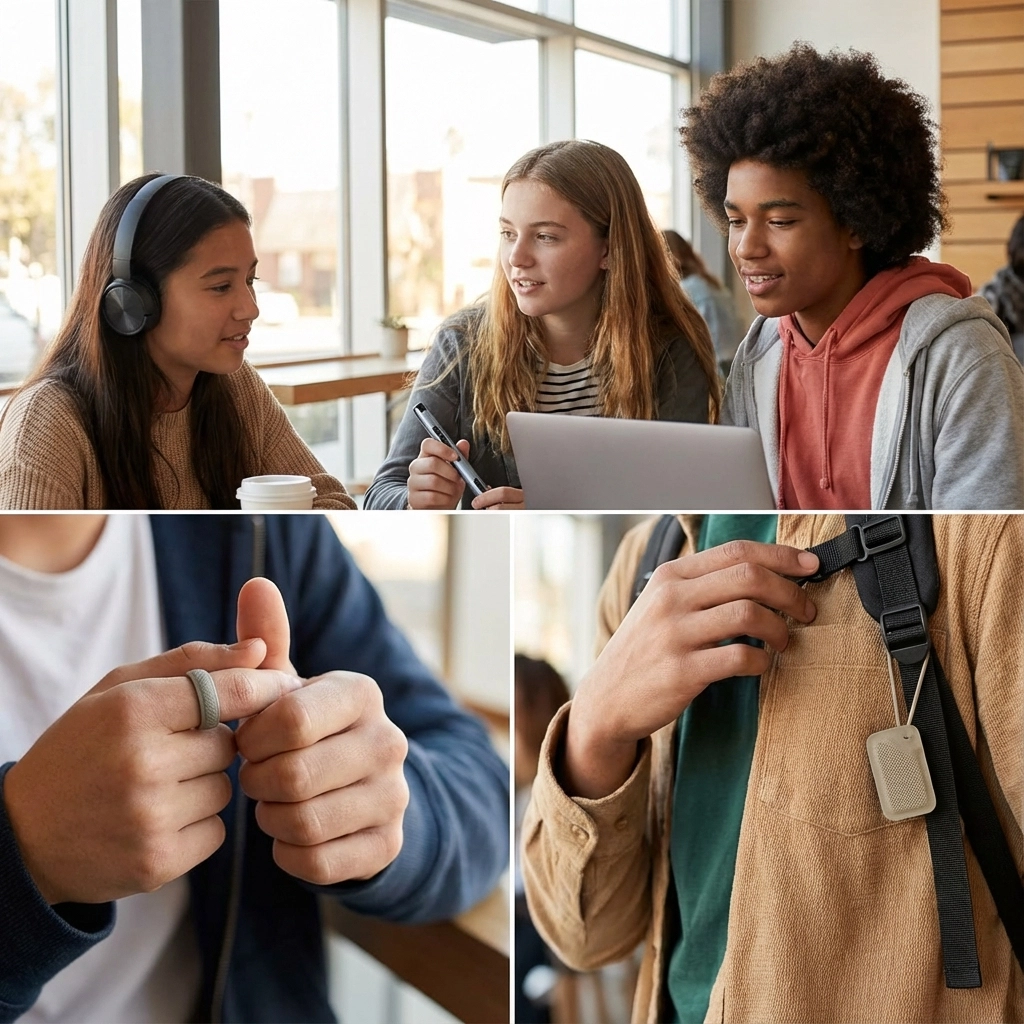
Being a teenager is tough enough without worrying about standing out for all the wrong reasons. For teens with autism, the need to self-regulate through stimming often conflicts with their desire to fit in with peers. That's where stealth stimming tools are making a real difference: offering the sensory support teens need while flying completely under the radar.
What Is Stealth Stimming?
Stealth stimming refers to self-regulation techniques and tools that provide sensory input without drawing attention or appearing "different." Unlike traditional stimming behaviors that might be obvious to others: like hand flapping or rocking: stealth stimming happens quietly in the background.
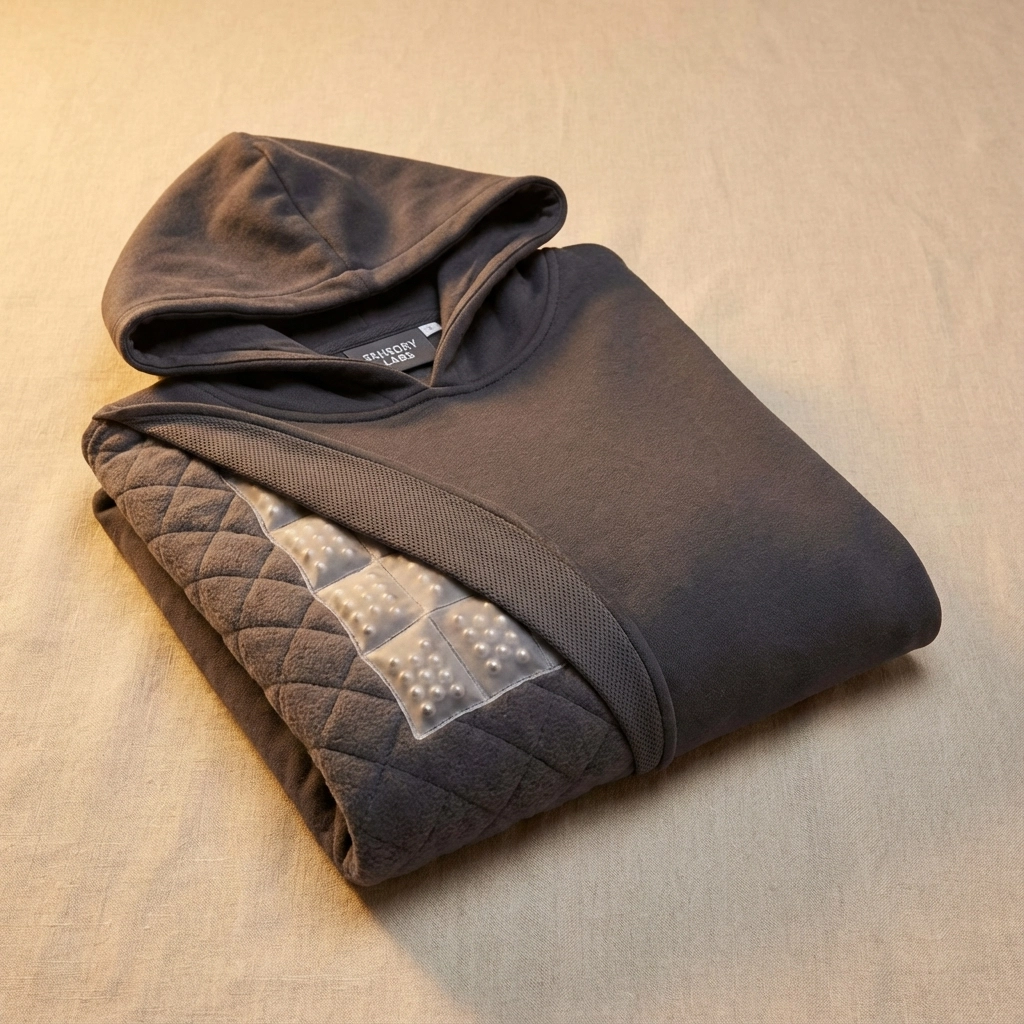
Think of it as sensory support in disguise. A weighted hoodie for anxiety looks like any other trendy sweatshirt. Fidget jewelry appears to be a cool accessory. Sensory clothing for kids and teens provides deep pressure input while looking completely ordinary.
The beauty of stealth stimming tools lies in their invisibility. They give teens the regulation they need while preserving their sense of belonging and social confidence.
Why Stealth Matters for Teens

The teenage years are all about identity, independence, and fitting in. For teens on the autism spectrum, traditional sensory regulation tools: no matter how helpful: can sometimes feel like a neon sign advertising their differences.
"I don't want to look like I'm in therapy," one 15-year-old recently told their parent when discussing sensory tools. This sentiment is incredibly common and completely understandable. Teens are already navigating social hierarchies, academic pressure, and developing independence. Adding visible sensory tools can feel like one more thing that sets them apart.
Stealth stimming tools solve this problem by providing the same regulatory benefits without the visual markers. When a teen can get the deep pressure they need from clothing that looks like what everyone else is wearing, they can focus on being themselves instead of managing their differences.
Real-Life Scenarios Where Stealth Stimming Shines
The Classroom Challenge
Picture Alex, a 16-year-old who struggles with classroom sensory overload. The fluorescent lights, chattering classmates, and scratchy desk chairs create a perfect storm of overstimulation. In the past, Alex would fidget with obvious tools or rocks in their chair, drawing unwanted attention from both teachers and peers.
Now, wearing a non-medical weighted vest underneath a regular hoodie, Alex gets the deep pressure input needed to stay regulated. Their teachers see a focused student, and classmates see someone wearing the same trendy style they are. The weighted hoodie for anxiety provides constant, gentle pressure that helps Alex concentrate without anyone knowing they're using a sensory regulation tool.
Social Hangouts Made Simple
Weekend plans with friends used to stress Maya out more than they should. Movie theaters, busy restaurants, and crowded malls would overwhelm her senses, but she didn't want to miss out on social opportunities or explain why she needed breaks or special accommodations.
Maya discovered that sensory clothing for kids her age could help her navigate these situations with confidence. A weighted hoodie provides the calming pressure she needs while looking like any other piece of clothing her friends might wear. She can enjoy time with friends without the constant worry about sensory overload or having to reveal her support needs.

Sports and Physical Activities
For teens who participate in sports or physical education, traditional sensory tools aren't practical. But clothing for sensory challenges can work perfectly in these environments. Compression-style base layers provide sensory input while looking like performance athletic wear that any athlete might choose.
This approach has been game-changing for teens who need sensory regulation but don't want to stand out during physical activities. They get the support they need while maintaining their athletic identity and fitting in with teammates.
How Anchor's Sensory Clothing Works Behind the Scenes
Anchor Apparel's approach to sensory clothing focuses on creating products that work hard behind the scenes while looking completely ordinary on the surface. Our weighted hoodies and compression clothing provide the deep pressure and sensory input that helps teens self-regulate, all while maintaining the appearance of regular, stylish clothing.
The science behind weighted clothing is straightforward: deep pressure stimulation helps calm the nervous system and reduce anxiety. It's like getting a gentle, constant hug that helps the brain process sensory information more effectively. But instead of using medical-looking vests or obvious therapeutic tools, our clothing delivers this benefit through everyday apparel.
Our non-medical weighted vests can be worn under regular clothing, providing targeted deep pressure without changing a teen's outward appearance. The weight is distributed evenly and feels natural, not bulky or restrictive. Teens get the sensory support they need while maintaining their personal style and social confidence.
Beyond Clothing: Building a Stealth Sensory Toolkit
While sensory clothing forms an excellent foundation, teens often benefit from having multiple stealth stimming options available. This might include fidget jewelry that looks like trendy accessories, textured keychains that provide tactile input, or even apps on their phone that offer discrete sensory breaks.
The key is building a toolkit that offers different types of sensory input for different situations. Sometimes deep pressure from weighted clothing is exactly what's needed. Other times, tactile stimming through a fidget tool might be more appropriate. Having options means teens can choose what works best for each situation.
A Guide for Parents: Supporting Your Teen's Sensory Needs
As a parent, watching your teen navigate social situations while managing their sensory needs can be both proud and nerve-wracking. Here's how you can support them in choosing and using stealth stimming tools effectively:
Start with Open Conversation
Talk with your teen about their sensory needs and social concerns. Many teens have strong opinions about what feels supportive versus what feels stigmatizing. Listen to their perspective and involve them in choosing sensory regulation tools they actually want to use.
Focus on Function Over Form Initially
When introducing stealth stimming tools, prioritize finding what actually helps your teen regulate their nervous system. Once you know what type of sensory input works best: deep pressure, movement, tactile stimulation: you can look for tools that deliver that input discretely.
Practice at Home First
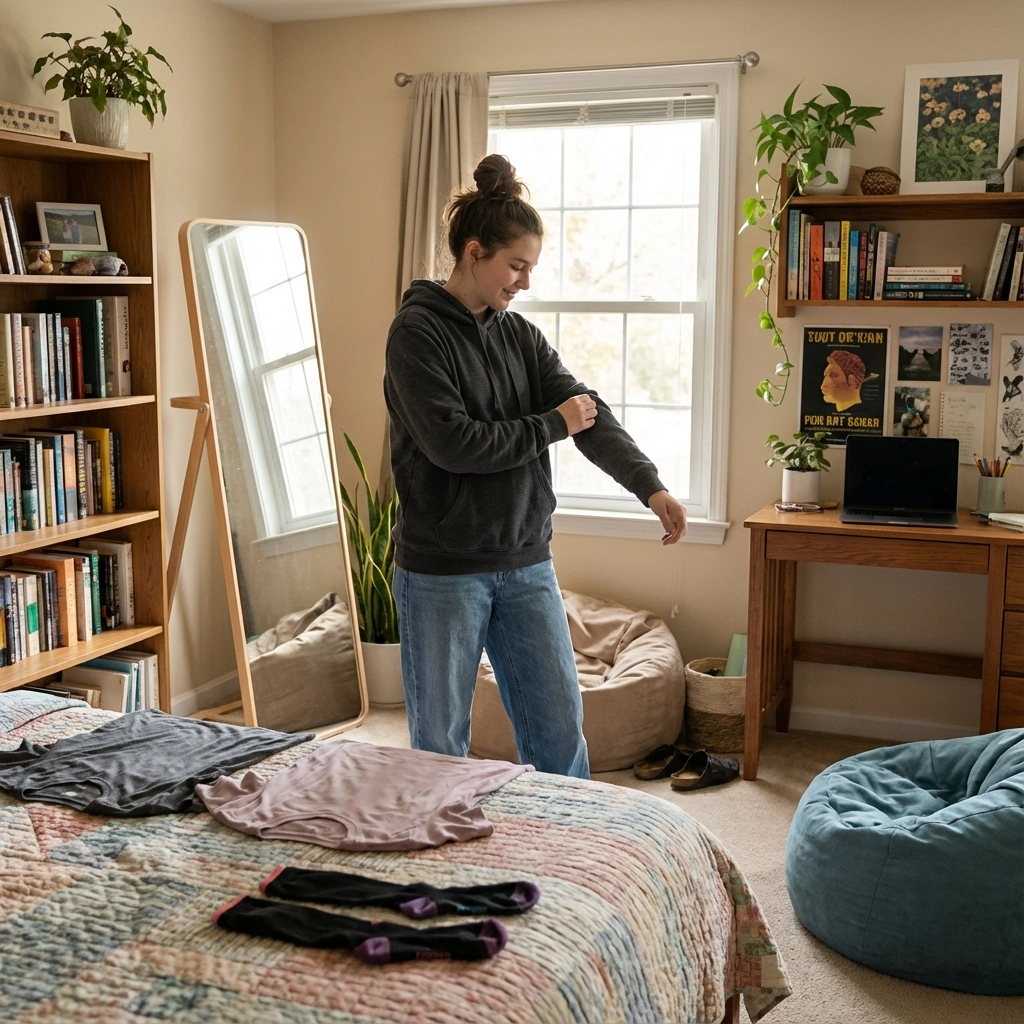
Before expecting your teen to use new sensory tools in public, give them time to get comfortable at home. This helps them understand how the tools work and builds confidence for using them in social situations.
Respect Their Autonomy
As teens develop independence, they need to feel in control of their sensory support choices. Avoid pushing specific tools or making their sensory needs feel like a "problem" that needs fixing. Instead, present options and let them choose what feels right.
Plan for Different Environments
Help your teen think through various scenarios where they might need sensory support. School requires different tools than social outings or family events. Having a plan helps reduce anxiety about unexpected sensory challenges.
The Bigger Picture: Changing Perceptions of Sensory Support
The rise of stealth stimming tools represents something bigger than just product innovation: it's part of a cultural shift toward recognizing that everyone has sensory needs and that meeting those needs shouldn't require sacrificing social inclusion.
When sensory support tools look like regular clothing and accessories, it normalizes the idea that people might need different things to feel comfortable and regulated. This benefits not just teens with autism, but anyone who experiences sensory sensitivities, anxiety, or regulation challenges.
For teens specifically, having access to discrete sensory support can be truly life-changing. It means they can participate more fully in social activities, feel more confident in academic settings, and develop independence without having to choose between their sensory needs and their social identity.
Looking Forward
As awareness of autism and sensory processing differences grows, we're seeing more innovation in stealth stimming tools and sensory regulation options. Companies are creating products that prioritize both function and social acceptability, recognizing that effective support shouldn't come at the cost of fitting in.
For teens with autism, this trend means more opportunities to be themselves, participate fully in their communities, and develop confidence in navigating the world. And for families, it means one less thing to worry about as their teens grow toward independence.
The goal isn't to hide who your teen is: it's to give them the tools they need to be their best selves in any environment. Sometimes the most powerful support is the kind that works quietly in the background, letting your teen's personality and abilities shine without distraction.