
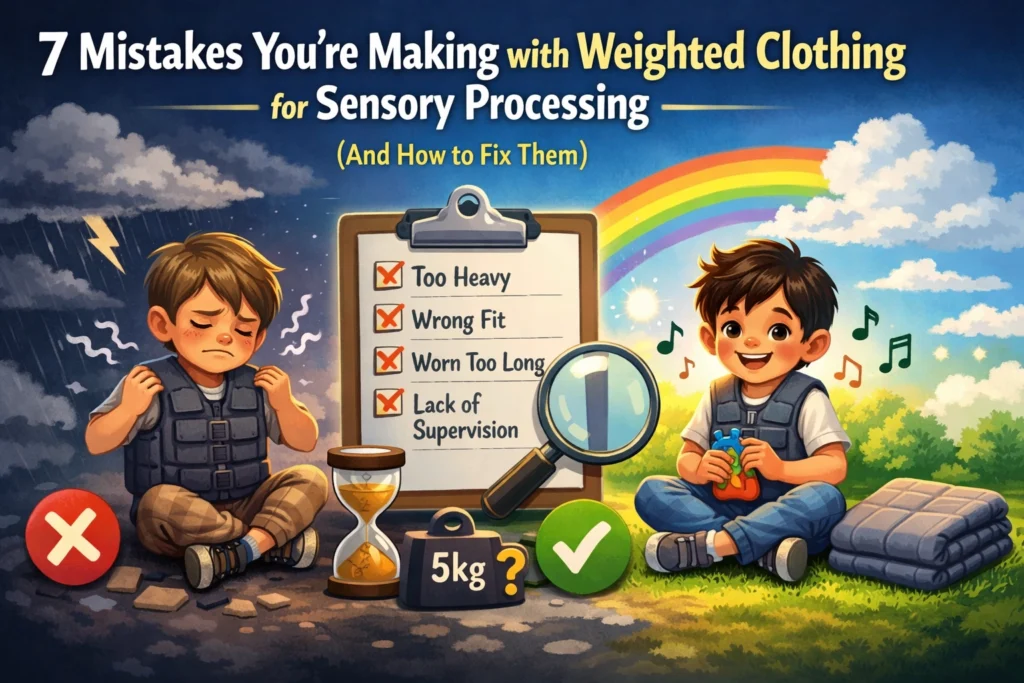
Look, if you're a parent navigating the world of sensory processing, you've probably felt like you're stumbling through the dark. You want to help your kid feel grounded and calm, so you turn to weighted clothing. Makes sense, right? Deep pressure input can be a game-changer.
But here's the thing: most parents make the same handful of mistakes when choosing sensory gear. And honestly? It's not your fault. The market is flooded with products that miss the mark, and the information out there can be confusing.
Let's fix that. Here are the seven biggest mistakes parents make with weighted clothing for sensory processing: and more importantly, how to avoid them.
Mistake #1: Choosing Gear That Screams "Medical Device"
Picture this: your kid walks into school wearing what basically looks like a therapy vest straight from the OT's office. Velcro straps everywhere, clinical-looking pockets, maybe even that telltale beige or navy color that says "I'm medical equipment."
Kids notice. Other kids definitely notice.
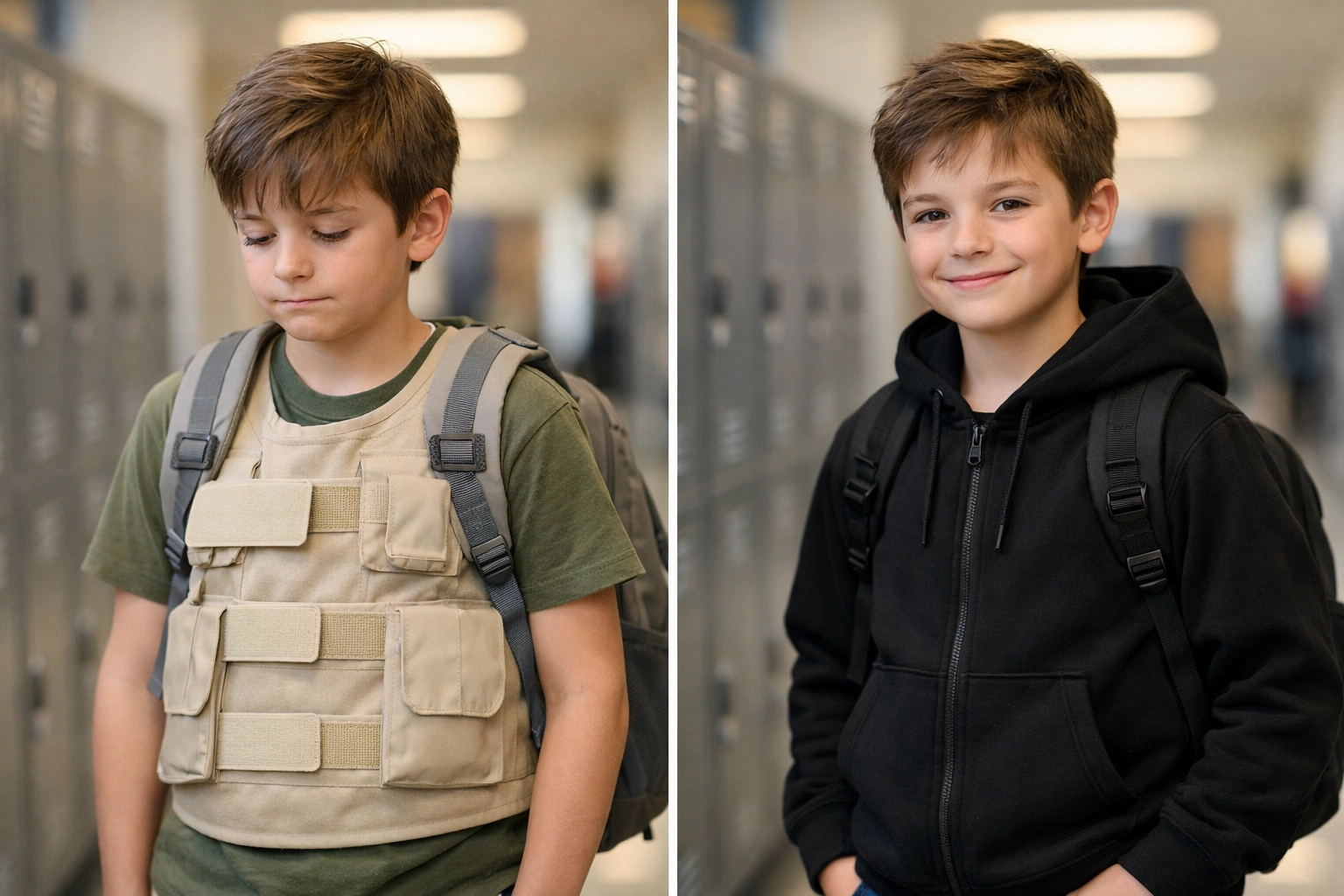
The social stigma that comes with medical-looking gear can actually undo the benefits of the sensory input. Your child might refuse to wear it, or worse, they wear it but feel singled out and different.
The fix: Look for weighted clothing that blends into everyday life. Think Lululemon, Essentials, or any premium streetwear brand. This is what we call "Stealth Stimming": sensory regulation that looks like fashion. When kids feel confident in what they're wearing, they're more likely to actually wear it.
Mistake #2: Ignoring "The Static"
You found a weighted vest with the perfect amount of pressure. Great! But did you check the tags? The seams? The fabric texture?
Here's what we call "The Static": all those little sensory irritants that completely sabotage the calming effect of the weight. Scratchy tags digging into the neck. Bulky seams rubbing against sensitive skin. Stiff, uncomfortable fabric that feels like sandpaper.
It's like trying to relax during a massage while someone's poking you with a stick. The weight might be perfect, but The Static ruins everything.
The fix: Sensory friendly clothing needs to be actually sensory friendly: not just weighted. Look for tagless designs, flat seams, and premium, soft fabrics. The weight should work with comfort, not against it. When you eliminate The Static, that's when you get what we call "The Gentle Tether": weight that grounds without distracting.
Mistake #3: Treating It Like a Life Jacket
More weight = better results, right? Wrong.
Some parents think weighted clothing should feel substantial and heavy, like their child is wearing a life jacket. But here's the truth from occupational therapy research: weighted vests should be between 5-10% of your child's body weight. That's it.
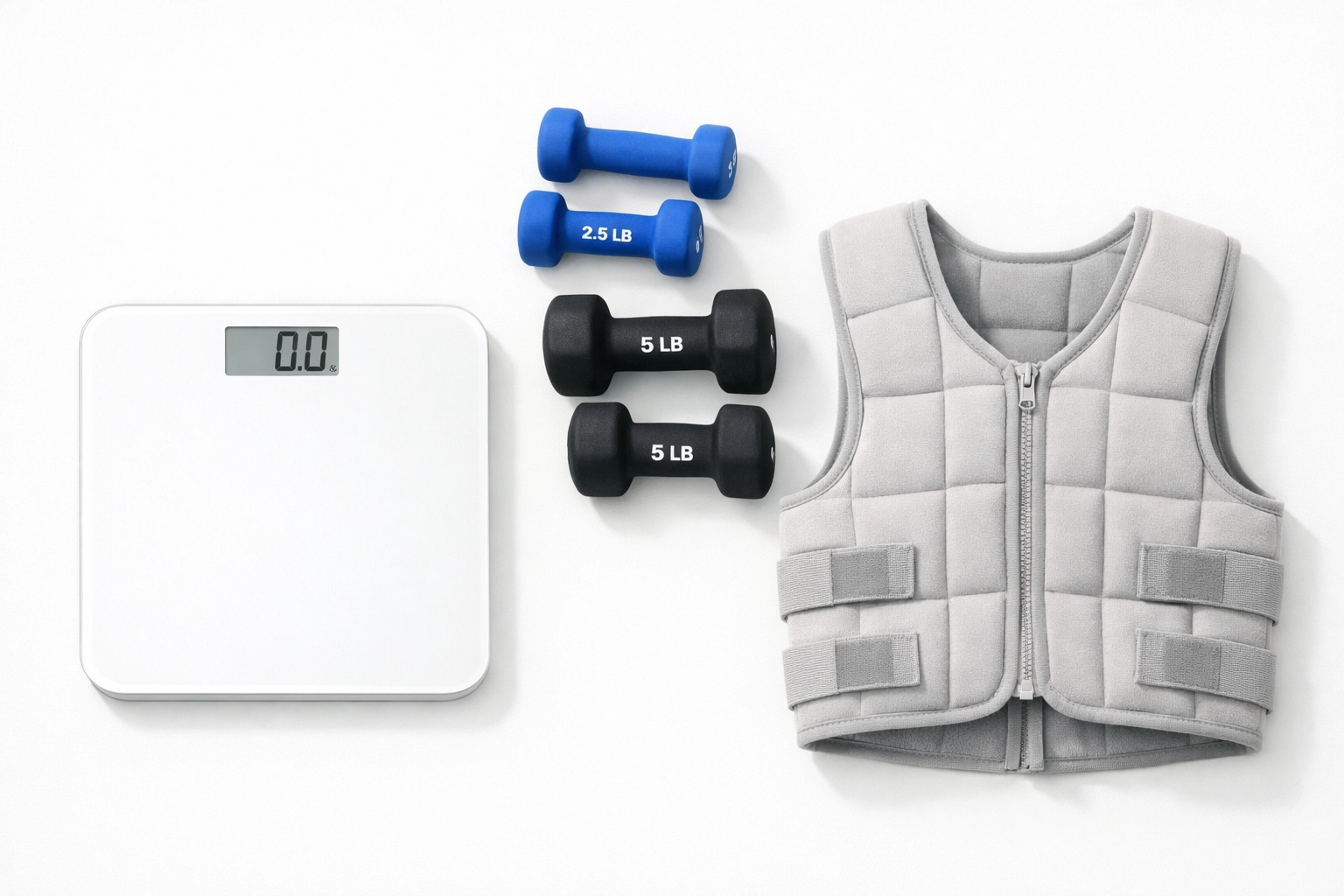
For a 50-pound kid, we're talking 2.5 to 5 pounds: not 10 or 15. Too much weight doesn't provide better regulation. It causes discomfort, restricts movement, and can even lead to back problems.
The fix: Start light. A 50-pound child should begin with around 2.5 pounds and gradually increase only if needed. The weight should feel like a gentle hug, not a burden. Remember, we're aiming for The Gentle Tether: a subtle grounding sensation, not restraint.
Mistake #4: Forgetting About Weight Distribution
Even if you nail the total weight, you can still mess this up. Uneven weight distribution turns sensory support into sensory overload.
Imagine wearing a backpack with all the books shoved to one side. Uncomfortable, right? The same principle applies to weighted clothing. If the weight sits mostly on the shoulders or pools in one area, it creates pressure points and imbalance instead of calm.
The fix: Look for weighted clothing with evenly distributed pockets or integrated weight systems. The pressure should be spread across the torso, not concentrated in spots. Quality weighted clothing is designed with this in mind from the start.
Mistake #5: Making It the Only Strategy
Let's be real: weighted clothing isn't a magic bullet. If you're relying solely on a weighted vest to handle all your child's sensory needs, you're setting everyone up for disappointment.
Weighted clothing works best as part of a sensory diet: alongside movement breaks, quiet spaces, fidget tools, and other strategies. It's one tool in the toolbox, not the entire toolbox.
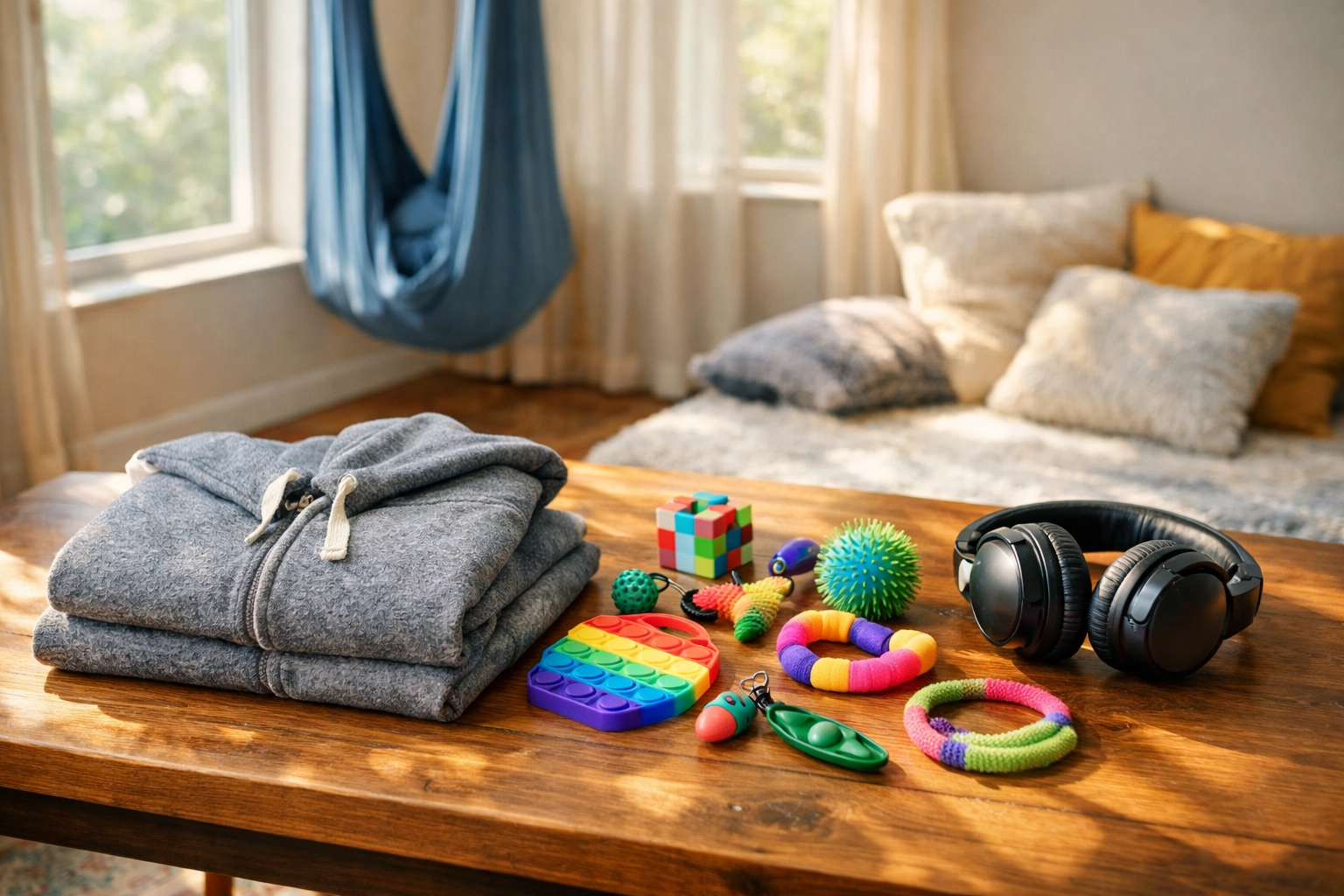
The fix: Work with an occupational therapist to create a comprehensive sensory plan. Use weighted clothing during specific times when your child needs extra grounding: maybe during homework, transitions, or overwhelming environments. But balance it with other sensory strategies that address their unique needs.
And here's a tip: join communities where parents share what actually works. Our Skool community is full of families swapping strategies and supporting each other through this journey.
Mistake #6: Ignoring Temperature and Comfort
Weighted clothing that makes your kid sweaty and overheated defeats the purpose. Many weighted vests trap body heat, especially during active play or warm weather. A child who's uncomfortable, dehydrated, and overheated isn't experiencing sensory regulation: they're experiencing misery.
The fix: Choose weighted clothing made with breathable, moisture-wicking fabrics. Look for designs that allow airflow and don't trap heat. Premium materials matter here. Your child should be able to wear their weighted clothing comfortably throughout their day, regardless of activity level.
Also, monitor your child when they first start wearing weighted clothing. Watch for signs of overheating, especially if they're active or it's warm outside.
Mistake #7: Assuming One Size Fits All
Not every child with sensory processing differences responds to weighted input the same way. Some kids are "sensory seekers" who crave that deep pressure. Others are "sensory avoiders" who might find weighted clothing overwhelming or distressing.
Copying what worked for another parent's child might not work for yours. Your kid's sensory profile is unique.
The fix: Pay attention to your child's response. Do they seem calmer and more focused? Or anxious and restricted? Start with shorter wearing periods: maybe 15-20 minutes: and observe.
If your child consistently resists weighted clothing, they might be a proprioceptive avoider. That's okay. There are other sensory strategies that might work better for them, like sensory swings or compression clothing.
The Bottom Line: It's About The Gentle Tether
When you avoid these seven mistakes, something beautiful happens. The weighted clothing becomes what we call "The Gentle Tether": a subtle anchor that helps your child feel grounded, calm, and ready to take on their day.

It's not about restraint or obvious intervention. It's about giving your kid the sensory input they need in a way that feels natural, looks normal, and actually works.
That's why Stealth Stimming matters so much. When sensory support looks like premium everyday wear, kids don't just tolerate it: they choose it. They put it on themselves. They feel confident wearing it to school, to friends' houses, anywhere.
And that confidence? That's regulation you can't buy. It comes from feeling supported without feeling different.
You're Not Alone in This
Navigating sensory processing can feel isolating. You're making decisions in the moment, hoping you're getting it right, wondering if other parents struggle with the same things.
They do. You're not alone.
That's why we created our Skool community: a space where parents share real experiences, troubleshoot challenges, and celebrate wins together. Because sometimes the best advice doesn't come from experts. It comes from other parents who've been exactly where you are.
Weighted clothing for sensory processing doesn't have to be complicated. Avoid these seven mistakes, focus on The Gentle Tether, and remember: the best sensory friendly clothing is the clothing your child actually wants to wear.
You've got this.