
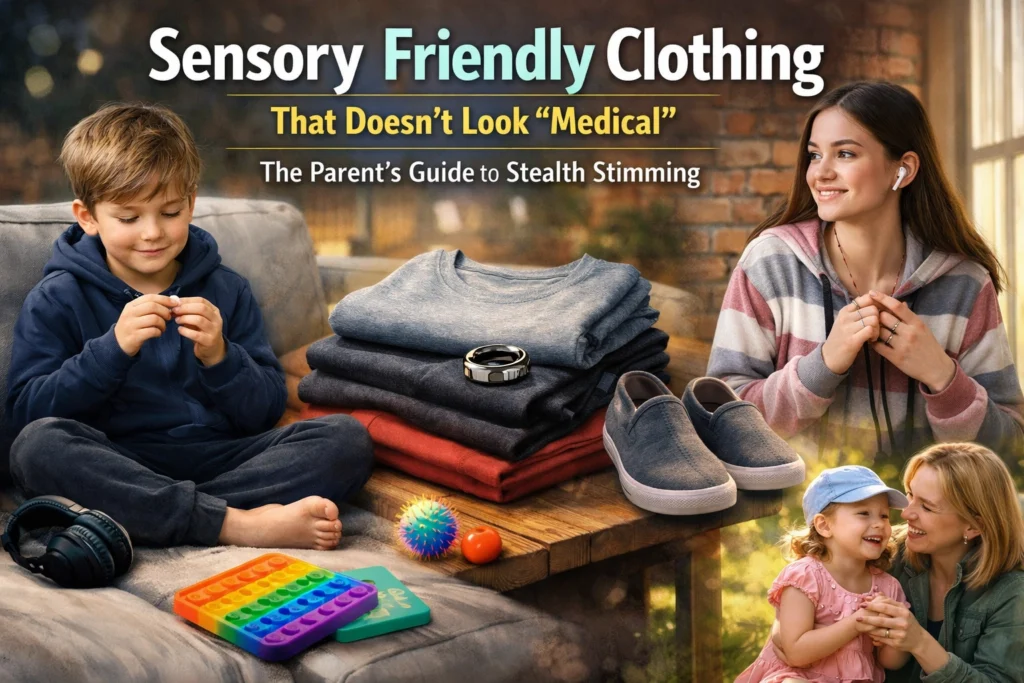
You know the morning routine. Your child needs deep pressure to feel grounded. They need proprioceptive input to regulate before the school day even starts. But the moment you pull out that bulky weighted vest, the one that screams "adaptive equipment", they shut down.
"I'm not wearing that."
And honestly? You get it.
Because here's the thing nobody talks about: sensory friendly clothing shouldn't look like a life jacket or hospital gear. It should look like what their peers are wearing. It should look cool. And yes, that matters more than most occupational therapists want to admit.
Welcome to the world of stealth stimming, where sensory support meets actual style.
The Problem with "Medical-Looking" Adaptive Wear
Traditional weighted vests have their place. Clinics, therapy sessions, home environments, these are spaces where function matters more than form. But the playground? The classroom? The mall? That's different territory.
Medical-looking sensory clothing creates an immediate visual distinction. It singles kids out. And while we've made incredible progress in disability awareness, children are still navigating complex social dynamics. They want to blend in, not stand out for the wrong reasons.
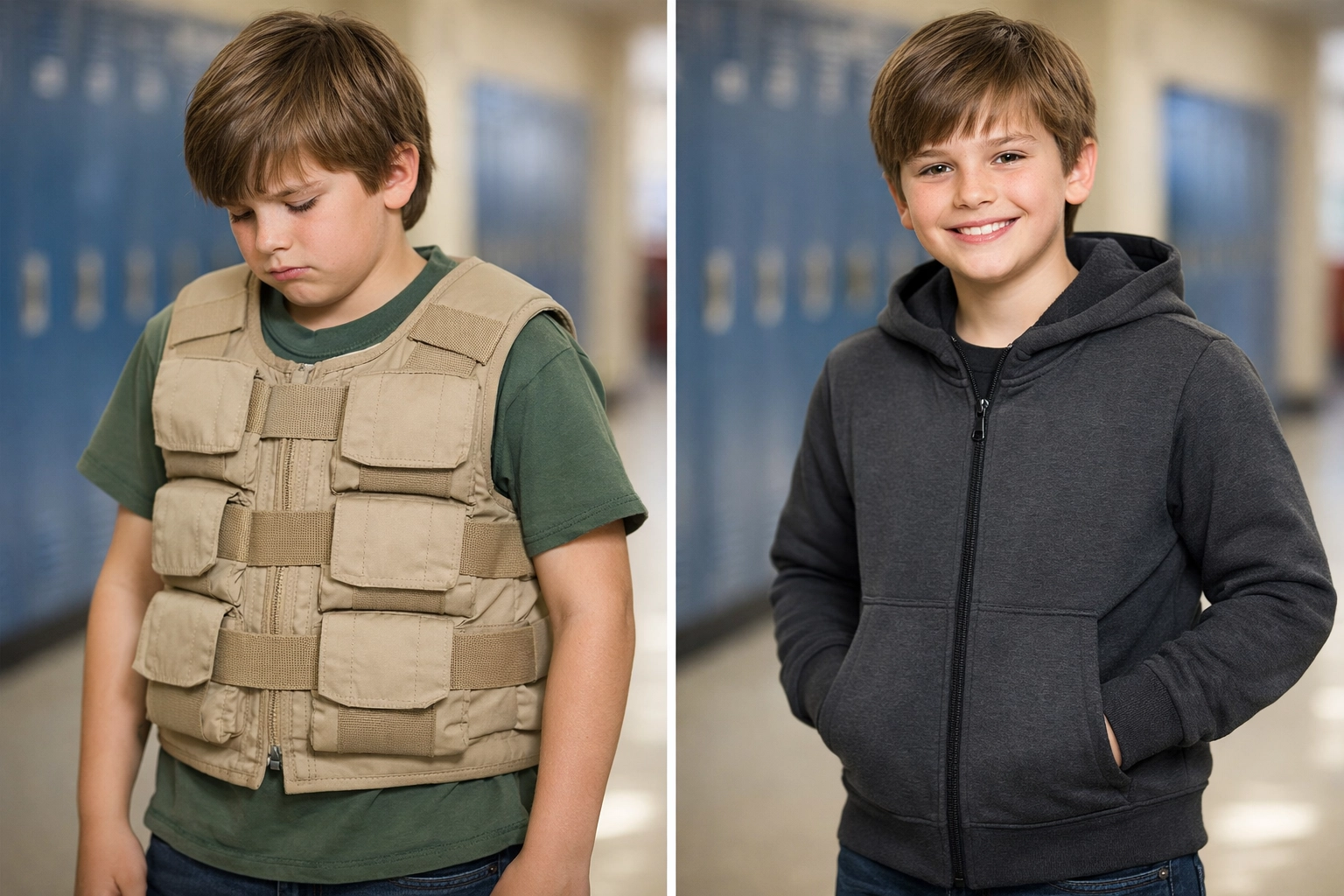
The bulky vest with visible weight pockets, the clinical beige color, the velcro straps, these design choices prioritize function but ignore the human need for social inclusion. They send a message: "This person needs help." When what we really want to communicate is: "This person is comfortable and confident."
That's where the gap exists. Between therapeutic effectiveness and real-world wearability.
What Is Stealth Stimming?
Stealth stimming is exactly what it sounds like, providing sensory regulation that flies under the radar. It's proprioceptive input without the announcement. It's weighted compression that looks like premium loungewear.
Think Fear of God Essentials. Think Lululemon. Think high-end athleisure that nobody questions because it's already part of mainstream fashion culture.
The magic is in the design: weights distributed through thick, quality fabric rather than visible pockets. Compression built into the garment structure instead of tight elastic bands. Textures that provide sensory feedback but read as "nice fabric" rather than "adaptive clothing."
Your child gets the deep pressure they need. The calming proprioceptive input that helps them regulate. The grounding sensation that keeps "The Static" at bay. But to everyone else? They're just wearing a really nice hoodie.

Why Social Inclusion Matters More Than We Admit
Let's be direct: Kids notice differences. Even the kind, inclusive ones. Even in schools with robust disability awareness programs. They notice.
And your child notices that they notice.
When adaptive clothing looks adaptive, it becomes part of their identity in a way that can feel limiting. "The kid with the vest." "The one who needs special clothes." These aren't malicious labels, they're just human pattern recognition doing its thing.
But when sensory friendly clothing looks like something from Lululemon or a premium streetwear brand? The narrative changes. Now they're "the kid with the cool hoodie." The one whose parents get them nice stuff. The one who's put together.
Same sensory benefit. Completely different social experience.
This isn't about hiding disability or pretending challenges don't exist. It's about giving children agency over how and when they disclose. It's about removing unnecessary barriers to social connection. It's about letting the weighted vest do its job without becoming the first thing people notice.
How Proprioceptive Input Works (Without Looking Different)
Proprioceptive input, the deep pressure sensation that helps the nervous system regulate, doesn't require clinical-looking equipment. It requires strategic weight distribution and thoughtful fabric choices.
Premium weighted clothing achieves this through:
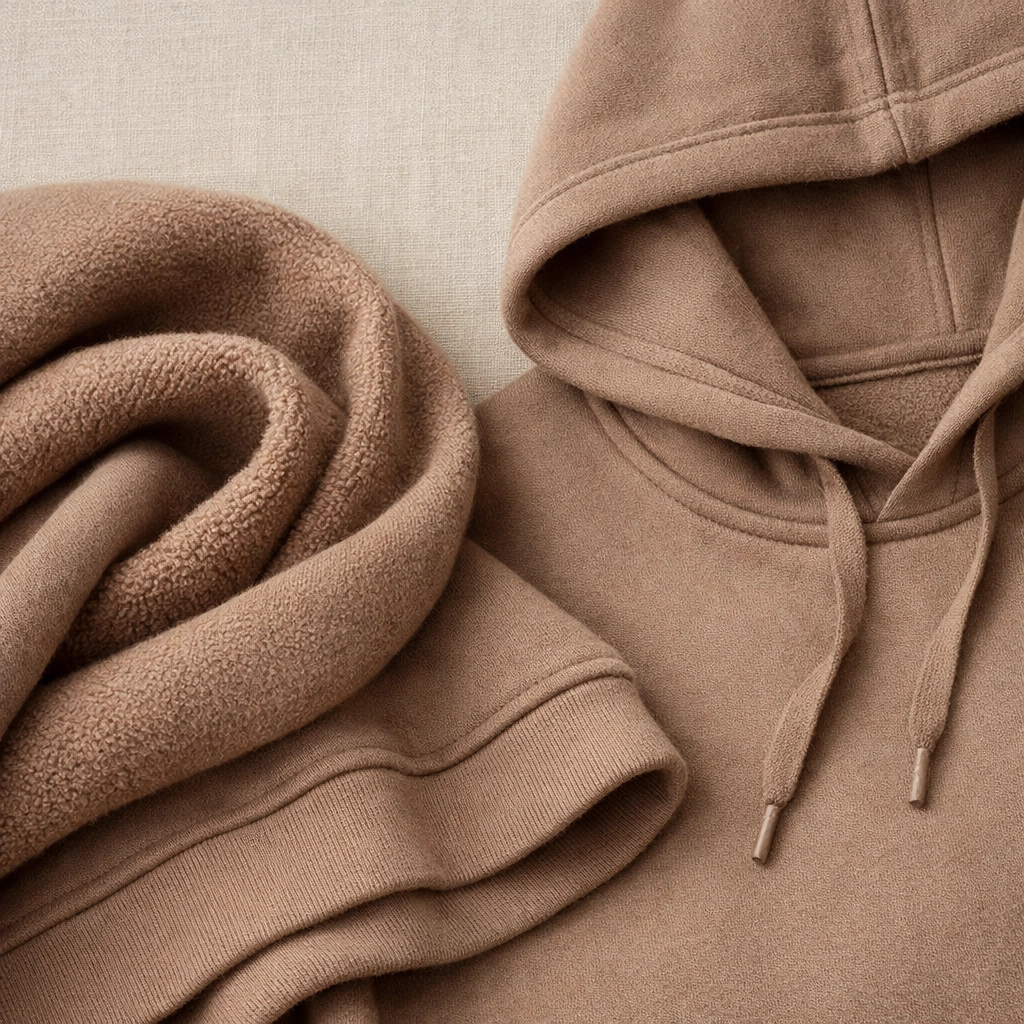
Thick, quality fabric that naturally adds subtle weight without feeling heavy or restrictive. French terry, heavyweight cotton blends, structured knits, these materials provide gentle pressure across the body while feeling like luxury basics.
Strategic construction that distributes weight evenly rather than concentrating it in pockets. The compression comes from the garment's structure, not from visible weights or tight bands.
Layered design that allows for different levels of sensory input based on the day's needs. A weighted hoodie over a compression base layer. Joggers with enough heft to provide grounding without restricting movement.
The result? Clothing that delivers consistent proprioceptive input throughout the day, helping regulate "The Navigator" without drawing attention or requiring constant adjustments.
The Unexpected Benefit: Stress Relief for The Guardian
Here's what nobody mentions in occupational therapy: when clothing battles disappear, parent cortisol levels drop dramatically.
You know those mornings. The negotiations, the tears, the sensory overload before 7:30 AM. The weighted vest that helps but triggers resistance. The compression shirt that works but looks "weird." The constant tension between therapeutic need and your child's autonomy.
When sensory friendly clothing actually looks good, when your child reaches for it voluntarily because it feels amazing and looks cool, those battles evaporate.
Suddenly you're not fighting to get them dressed. You're not managing meltdowns over tags or seams or that weird feeling. You're not bracing for the morning storm.
You're just…getting ready. Like other families do.
The Guardian, the parent managing the complex intersection of therapeutic needs, social reality, and daily logistics, gets to breathe. The constant low-grade stress of "Will today be a clothing battle day?" fades into the background.
That's not a small thing. That's the difference between starting your day depleted or starting it calm. Between arriving at work frazzled or arriving ready. Between parenting from a place of anxiety or a place of confidence.
What to Look For in Actually-Stylish Sensory Clothing
Not all sensory friendly clothing is created equal. And definitely not all of it looks good. Here's what separates premium sensory wear from clinical adaptive gear:
Mainstream aesthetic: Does it look like something you'd find at a high-end athleisure store? Could it pass for Lululemon, Vuori, or Fear of God Essentials? If yes, you're on the right track.
Quality fabric: Soft but substantial. Thick enough to provide gentle pressure, high-quality enough to read as intentional luxury rather than "special needs."
Invisible features: No visible weight pockets. No velcro. No tags announcing "adaptive wear." The sensory benefits should be felt, not seen.
Color options: Clinical beige is out. Contemporary neutrals, rich colors, modern patterns: these are in. If it only comes in institutional colors, keep looking.
Regular sizing: Adaptive clothing often uses different sizing systems that immediately signal "different." Look for brands using standard sizing that happens to include sensory-friendly features.
The Anchor Approach: Premium Loungewear with Purpose
This is where Anchor Apparel reimagines the entire category. Not adaptive clothing that tries to look normal. Premium loungewear that happens to provide serious sensory benefits.
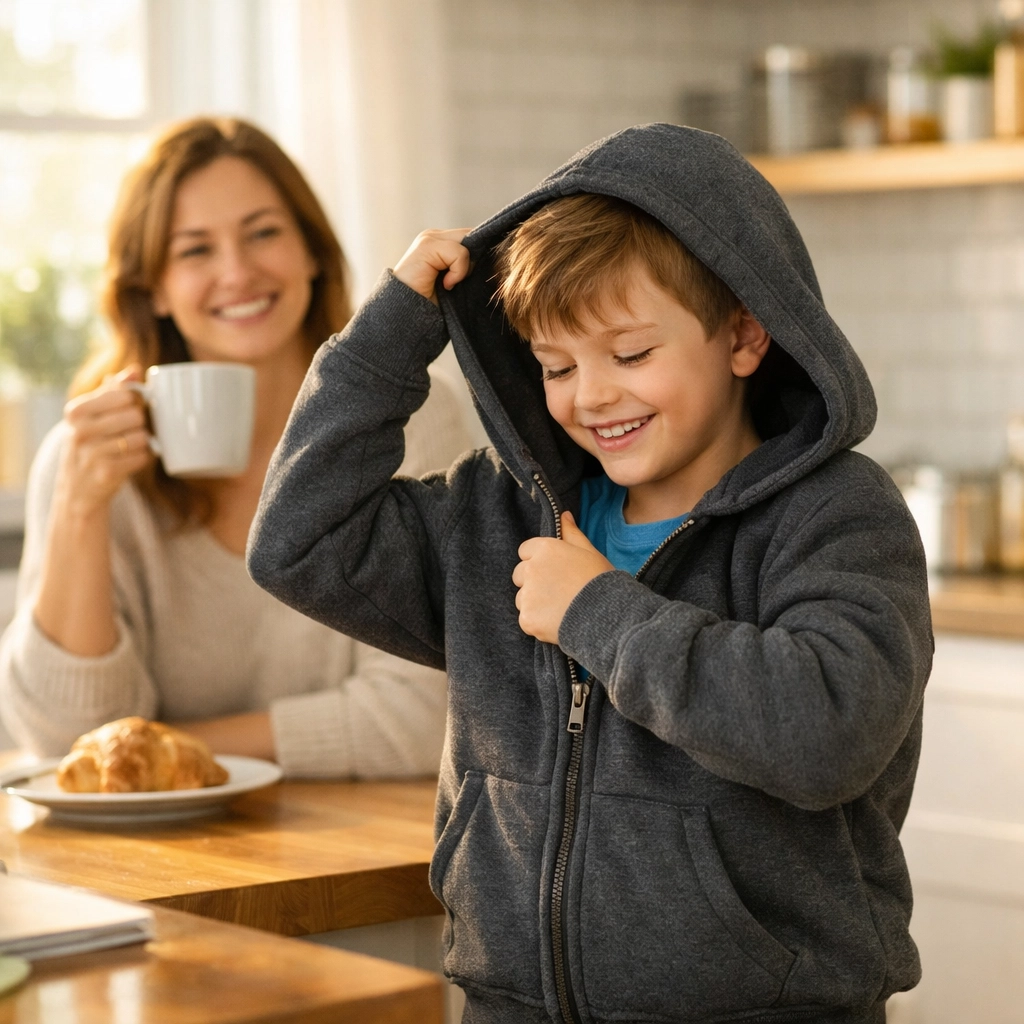
Our weighted hoodies feel like luxury basics because they are luxury basics: with strategic weight distribution built into thick, quality fabric. The compression comes from expert construction, not visible adaptive features. The proprioceptive input is constant and effective, delivered through materials that read as "really nice" rather than "therapeutic."
Your child gets regulation. The Navigator gets grounding. The Guardian gets peace. And nobody gets singled out.
The social inclusion piece isn't an afterthought: it's central to the design. Because sensory friendly clothing should solve problems, not create new ones. It should help kids feel comfortable in their bodies and confident in social spaces.
That's stealth stimming. That's the premium difference.
Moving Forward: Regulation Without Compromise
The sensory friendly clothing landscape is changing. Slowly, but it's changing. More brands recognize that therapeutic effectiveness and aesthetic appeal aren't opposing forces: they're complementary goals.
For parents navigating this space, the message is simple: you don't have to choose between sensory support and social inclusion. Between what works and what looks good. Between proprioceptive input and peer acceptance.
The right clothing delivers all of it. Weighted comfort that feels amazing. Compression that actually helps regulate. Design that lets your child blend seamlessly into their peer group. Quality that justifies the investment.
Because at the end of the day, sensory friendly clothing should make life easier, not harder. It should reduce stress, not create it. It should help your child feel confident and comfortable: in their body and in their world.
That's the promise of stealth stimming. That's what happens when sensory support meets real design thinking.
Your child deserves clothing that works as hard as they do. That supports them without defining them. That delivers therapeutic benefits without therapeutic aesthetics.
Welcome to sensory friendly clothing that actually gets it.