
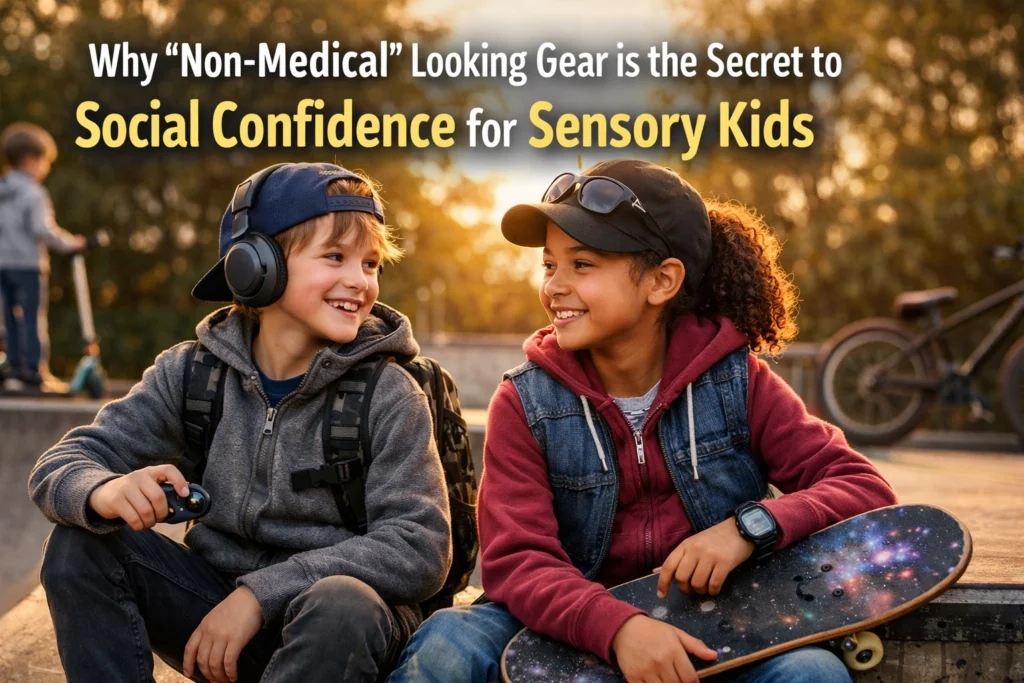
If you’re a parent of a child with Sensory Processing Disorder (SPD) or autism, you know the "The Look." It’s that moment in the morning when you pull out the weighted vest or the compression shirt: the tools that actually help them stay calm: and your child looks at you like you’re asking them to wear a neon sign that says, "I’m different."
As kids get older, especially when they hit those high-stakes years of middle school and high school, the desire to fit in starts to outweigh the need for sensory regulation. They’d rather deal with "The Static": that overwhelming internal noise of sensory overload: than be the kid wearing something that looks like a life jacket in the middle of the cafeteria.
At Anchor Apparel, we’ve spent a lot of time talking to parents and educators about this exact problem. What we’ve learned is that social confidence isn't just about how a child feels on the inside; it’s about how they perceive themselves in the eyes of their peers. This is why "non-medical" looking gear isn't just a fashion choice: it’s the secret to unlocking social confidence for sensory kids.
The Social Stigma of the "Life Jacket"
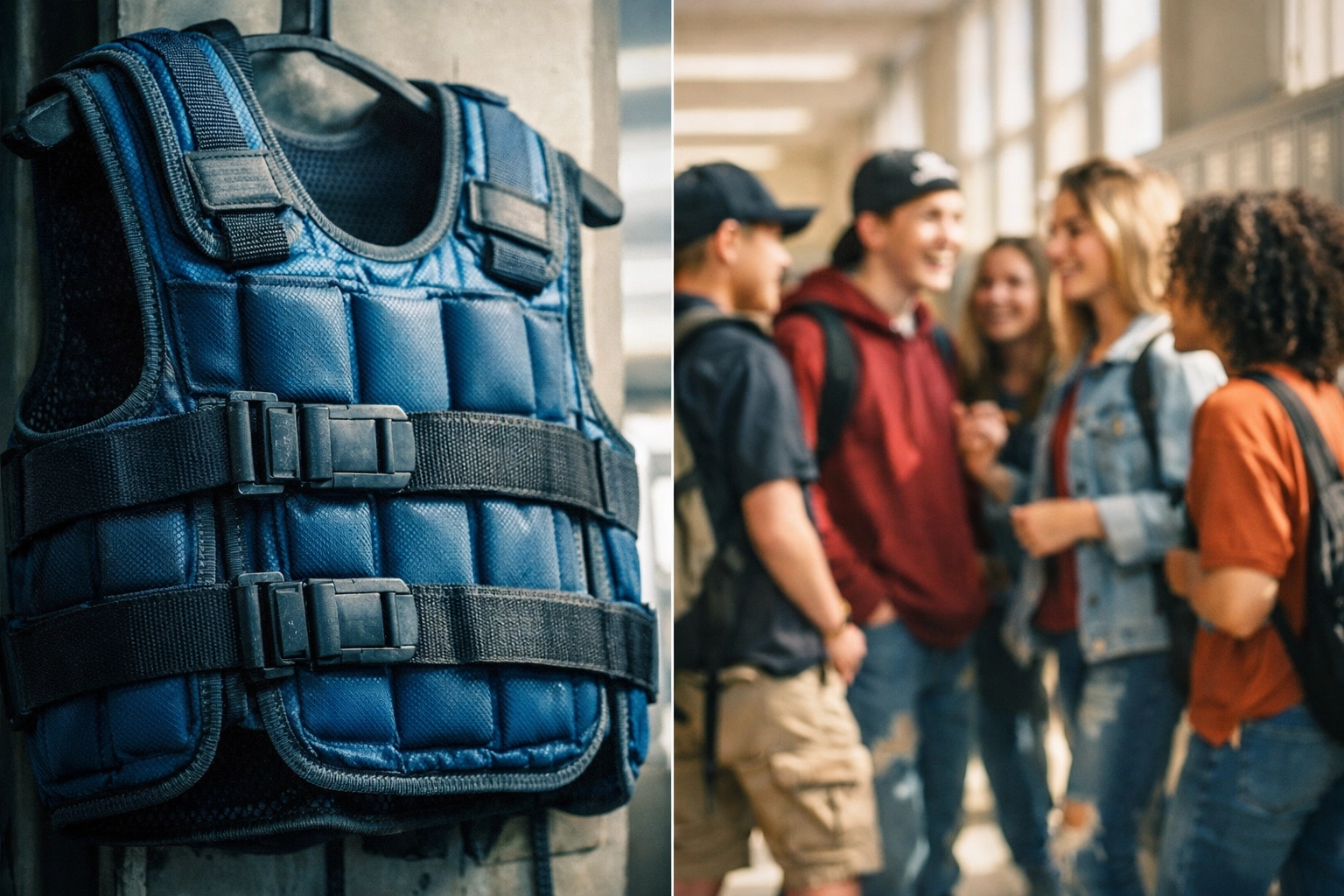
Let’s be honest: traditional sensory gear looks medical. It’s often bulky, made of scratchy industrial mesh, and comes in colors that scream "therapeutic equipment." For a five-year-old, this might not matter. But for a twelve-year-old trying to navigate the complexities of social cliques and hallway politics, it’s a non-starter.
The social stigma surrounding visible sensory tools is real. When a child wears a traditional weighted vest for school, it can act as a barrier to social entry. It signals to other kids that there is something "different" or "special" about them, which, unfortunately, can lead to unwanted questions or, worse, isolation.
When a kid refuses to wear their gear because it looks too "medical," they lose their primary coping mechanism. They go into the school day unprotected, their nervous system firing on all cylinders, trying to manage the lights, the sounds, and the crowds without "The Gentle Tether" of deep pressure input.
Understanding "The Static"
To understand why discreet gear is so important, we have to understand what it’s fighting. We call it "The Static."
For kids with sensory processing challenges, the world is loud. Not just audibly loud, but sensory-loud. The flicker of a fluorescent bulb, the scratch of a clothing tag, the hum of an air conditioner: all of these inputs build up like static on an old television. When the static gets too high, it’s impossible to focus on a math test or a conversation with a friend.
Deep pressure therapy (DPT) acts as a grounding force. It’s a way to tune out the static so the child can focus on the world around them. But if the tool used to provide that pressure causes social anxiety, you’re just replacing one type of static (sensory) with another (social).
Inclusive fashion aims to solve this by providing the grounding "tether" without the social cost.
Enter: Stealth Stimming
At Anchor Apparel, we’re big proponents of "Stealth Stimming." Stimming (self-stimulatory behavior) is a natural and necessary way for neurodivergent individuals to regulate their nervous systems. However, many kids feel the need to hide these behaviors in public to avoid being judged.
Stealth stimming gear is clothing designed to provide sensory input: through weight, texture, or compression: without looking any different from premium loungewear.
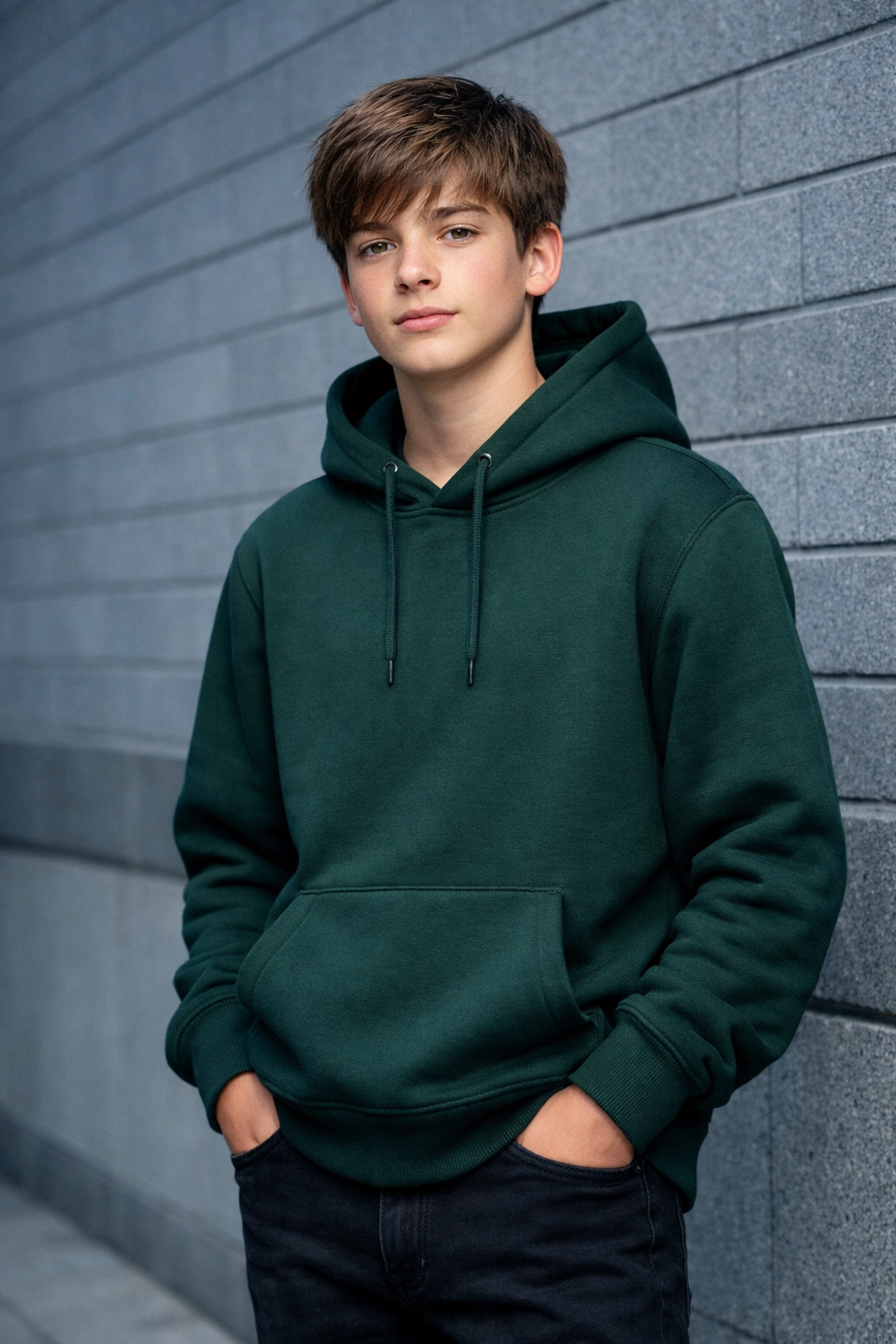
Imagine a hoodie that has the weight and calming effect of a weighted blanket but looks exactly like the high-end streetwear your child’s friends are wearing. That’s the goal. When a child can "stealth stim" by simply wearing their favorite sweatshirt, their confidence spikes. They aren't "the kid with the vest"; they’re just a kid in a cool hoodie.

Why Discreet Design is a Game Changer
So, why does the "non-medical" look work so well? It comes down to three main pillars:
1. Removing the Target
Middle school is a minefield of social observation. Anything that stands out can become a target for teasing. Discreet sensory gear removes that target. By using fabrics like heavyweight combed cotton and hiding weighted elements within the seams or lining of the garment, we ensure that the "help" is invisible to everyone but the wearer.
2. Increasing Compliance
The best sensory tool in the world is useless if it’s sitting in a backpack or a closet. We find that when gear looks like "regular" clothes, kids actually want to wear it. They choose it from their drawer because it feels good and looks good. This consistent use leads to better regulation throughout the day, fewer meltdowns, and better academic performance.
3. Empowerment Through Choice
When a child is forced to wear medical-looking gear, they often feel like a patient. When they get to choose a stylish piece of inclusive fashion, they feel like a person with style. This shift from "patient" to "person" is massive for a child’s self-esteem.
The "Gentle Tether" Effect
We often refer to our apparel as "The Gentle Tether." It’s designed to provide a constant, subtle reminder to the nervous system that the body is safe and grounded.
In a traditional weighted vest, that tether is heavy and obvious. In Anchor gear, it’s integrated. We use specialized construction techniques to distribute weight evenly, avoiding the "lumpy" look of old-school weighted products. The result is a silhouette that looks like high-quality, modern loungewear but provides the proprioceptive input required to keep "The Static" at bay.
When a child feels grounded, their social anxiety drops. They have more "bandwidth" to navigate social cues, share a joke, or raise their hand in class. They aren't spending 90% of their energy just trying to keep their body in the chair; they’re actually present.
Practical Tips for Transitioning to Discreet Gear
If your child is currently struggling with the social stigma of their sensory gear, here’s how you can make the switch:
- Involve them in the selection: Let them look at the styles and colors. When they have "buy-in" on the fashion side, they’re more likely to accept the sensory side.
- Focus on the "Feel": Ask them how it makes their body feel, rather than how it "helps" them. Use words like "cozy," "grounded," or "strong."
- Layering is Key: Many of our pieces are designed to be layered. A discreet compression base layer can be worn under a school uniform or a favorite band T-shirt, providing "invisible" support all day long.
- Normalize it: Remind them that everyone uses tools to stay calm: some people use coffee, some use exercise, and some use the clothes they wear.

The Future of Inclusive Fashion
The world is finally waking up to the fact that function doesn't have to come at the expense of form. Inclusive fashion is about more than just making clothes that are easy to put on; it’s about making clothes that make people feel seen, not stared at.
At Anchor Apparel, our mission is simple: we want to provide the sensory support kids need to thrive without sacrificing their need to fit in. We believe that every child deserves to walk down the school hallway feeling like they belong.
By choosing "non-medical" looking gear, you’re giving your child a secret weapon. You’re giving them a way to manage their sensory needs quietly and effectively, allowing their personality: not their diagnosis: to take center stage.
Conclusion
Social confidence is a fragile thing, especially for kids who already feel like the world is a bit too much to handle. By removing the "medical" look from sensory gear, we remove a significant barrier to their happiness.
"Stealth stimming" gear like ours provides "The Gentle Tether" that keeps them grounded while allowing them to blend into the crowd. Because at the end of the day, sensory gear shouldn't be a uniform of difference: it should be a tool for independence.
If you’re ready to trade the "life jacket" for something a little more subtle, check out our latest collection. Let’s help your kid find their anchor.