
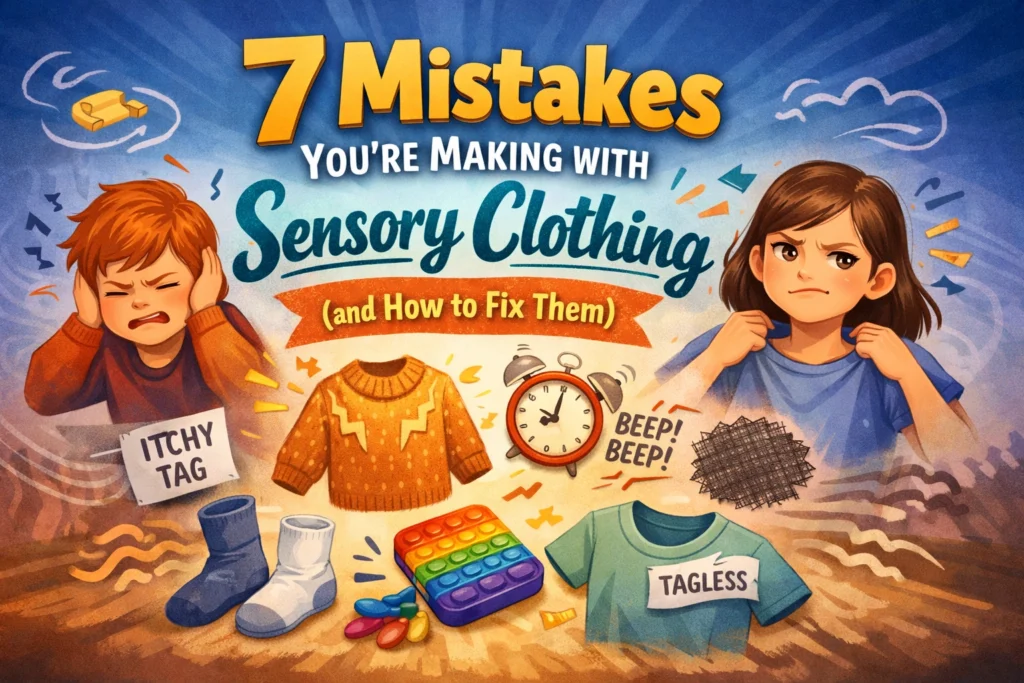
We’ve all been there. It’s 7:15 AM, the school bus is coming in twenty minutes, and your child is having a full-blown meltdown because their socks "feel like spiders" or their sweatshirt feels "too loud."
As a parent: or what we like to call "The Guardian": your goal is simple: you want your child to feel safe, calm, and ready to take on the day. You start searching for sensory clothing, hoping for a miracle. But here’s the thing: not all sensory gear is created equal. In fact, some of the most common choices out there might actually be making the problem worse for your "Navigator" (the child or teen navigating the world’s sensory input).
At Anchor Apparel, we believe that clothing should be a tool, not a trigger. After talking to hundreds of families, we’ve identified seven common mistakes people make when buying sensory friendly clothing and, more importantly, how you can fix them.
1. Choosing Gear That Looks "Medical"
This is arguably the biggest mistake we see. Many brands design weighted clothing for sensory processing that looks like it belongs in a hospital or a physical therapy clinic. Think bulky neoprene, neon colors, or thick straps that scream "I’m wearing a therapeutic device."
The Problem: For a teenager or a child trying to fit in at school, wearing a "medical" vest creates social stigma. If The Navigator feels self-conscious or embarrassed, their stress levels spike, completely canceling out the calming benefits of the clothing.
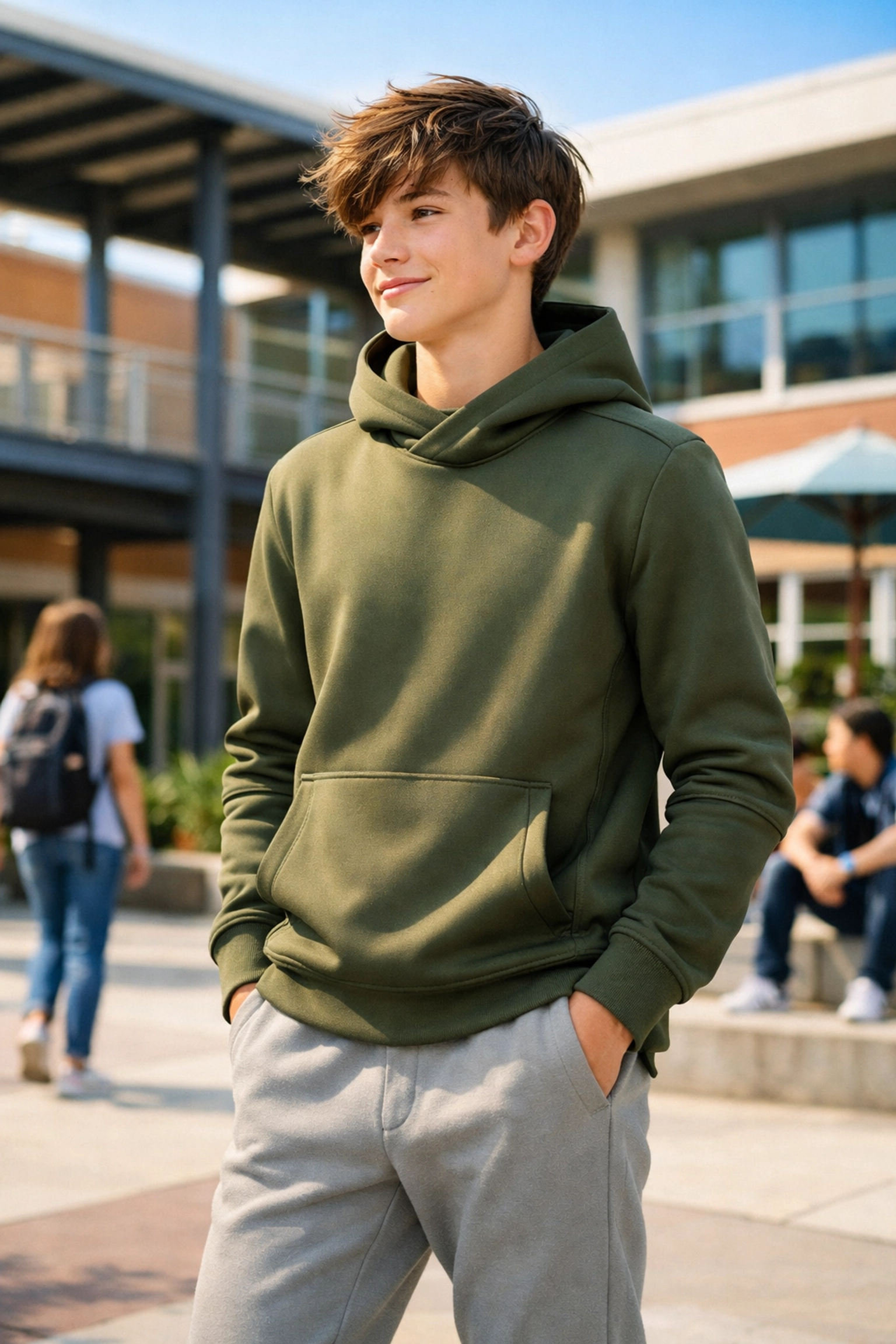
The Fix: Look for "Stealth" gear. You want premium loungewear that looks like everyday high-end fashion but hides the sensory benefits on the inside. When the sensory support is invisible to everyone else, your child can focus on their day without feeling like the odd one out.

2. Ignoring "The Static" (Fabric Texture and Tags)
For someone with sensory processing differences, a small clothing tag isn't just a nuisance: it’s "The Static." It’s a constant, buzzing irritation that the brain cannot tune out.
The Problem: Many parents buy 100% cotton shirts thinking they are "natural" and therefore "safe." But low-quality cotton can be scratchy, and the seams can feel like tiny ropes rubbing against the skin. If a garment has even one hidden tag or a rough nylon thread in the hem, it becomes unwearable.
The Fix: Prioritize tagless designs and flat-seam construction. At Anchor, we focus on fabrics that have a "buttery" feel. You want materials that provide a consistent, smooth tactile experience. Before you buy, do the "cheek test": rub the inside of the fabric against your cheek. If it feels even slightly rough, it’s going to feel like sandpaper to a sensitive Navigator.
3. Forgetting About "Stealth Stimming"
Stimming is a natural and necessary way for many people to regulate their nervous systems. Whether it’s clicking a pen, tapping a foot, or rubbing a specific texture, these repetitive movements help ground the brain.
The Problem: Most sensory friendly clothing focuses only on the absence of irritation (no tags, no seams). It forgets that many kids need active input. If they don't have a safe, discreet way to stim, they might resort to chewing their collars or picking at their skin.
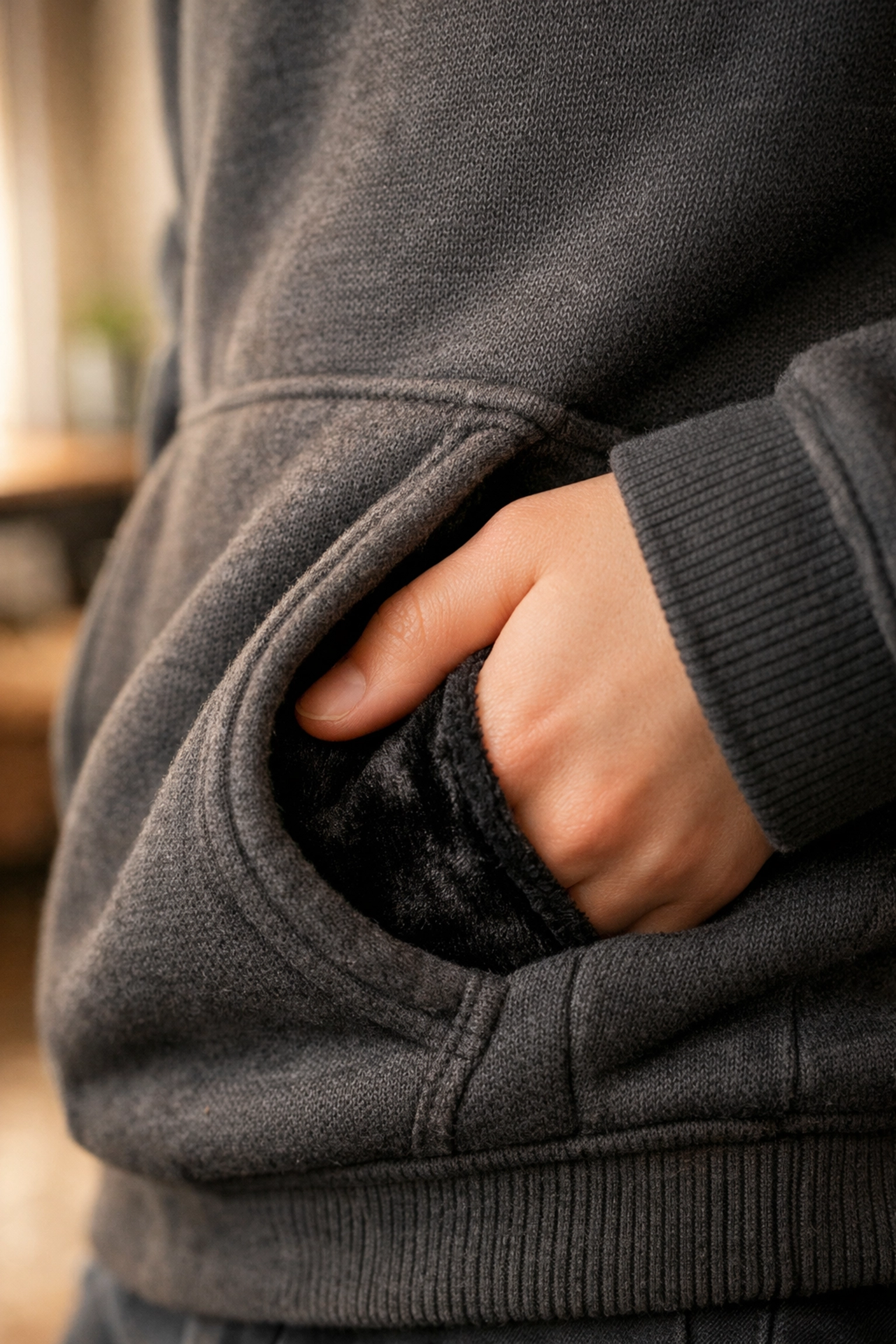
The Fix: Look for stealth stimming clothes. This means clothing with "hidden" features: like a soft-touch patch inside a pocket, a weighted hem they can rub, or drawstrings with a specific texture. These "Stealth Stims" allow The Navigator to regulate their emotions in the middle of a classroom or a grocery store without anyone else even noticing.
4. Buying Weighted Gear That Is Too Heavy (Or Too Light)
Weighted vests and hoodies are incredible for providing "The Gentle Tether": that proprioceptive input that tells the body where it is in space. However, the weight needs to be just right.
The Problem: If a weighted hoodie is too heavy, it becomes exhausting and can actually lead to more meltdowns. If it’s too light, it doesn't provide enough deep pressure to actually calm the nervous system. Many people buy "one-size-fits-all" weighted gear that ends up sitting in the closet because it’s uncomfortable.
The Fix: Follow the 10% rule (usually 10% of the wearer's body weight plus a pound or two), but also look for distributable weight. Instead of one heavy lump of weight, look for clothing that distributes the weight across the shoulders and core. This provides a "hug" feeling rather than a "dragging" feeling.
5. Neglecting the "Navigator’s" Style Autonomy
As The Guardian, you’re focused on the function. You want them to be calm. But The Navigator is focused on their identity.
The Problem: If you buy a sensory shirt that your child thinks is "ugly" or "babyish," they will fight you every time you try to put it on. This creates a power struggle that adds to the sensory overwhelm. Sensory needs don't stop when a child hits puberty; in fact, they often get more complex.
The Fix: Involve them in the process. Choose brands that offer modern, minimalist styles that look like something you’d find in a high-end retail store. When the clothing looks cool, the child wants to wear it. You get the regulation, and they get the style. It’s a win-win.

6. Overlooking Independence and Self-Dressing
For many Navigators, fine motor skills can be a challenge. Zippers, tiny buttons, and tight neck-holes can make the act of getting dressed an Olympic-level struggle.
The Problem: Clothing that is hard to put on creates frustration before the day has even started. If a child has to ask for help with their clothes every single morning, it chips away at their confidence and independence.
The Fix: Look for adaptive silhouettes. This means stretchy necklines, easy-to-grab zipper pulls, and elastic waistbands. The goal is "Success-Based Dressing." When a child can dress themselves comfortably, they start the day with a "win," which sets a positive tone for the rest of their sensory experience.
7. Using Visually Overwhelming Prints
We often think about how clothes feel, but we forget how they look to a sensitive eye.
The Problem: Bright, "loud" patterns, neon colors, and complex graphics can actually contribute to visual overstimulation. If the environment is already chaotic (like a school hallway), a shirt with a busy pattern is just more "noise" for the brain to process.
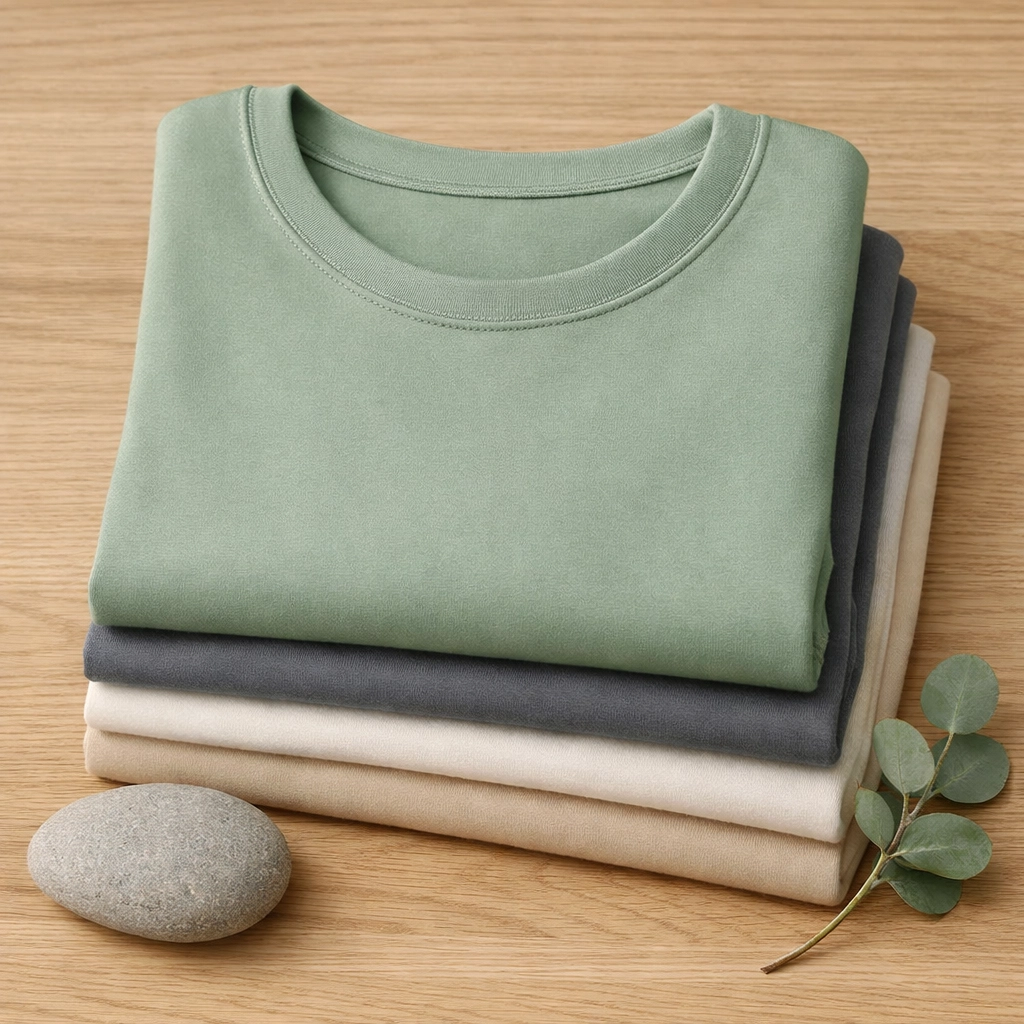
The Fix: Stick to a calm, predictable color palette. Think "muted" tones: soft greens, deep blues, charcoal grays. These colors are visually soothing and help reduce the overall sensory load. Plus, they are much easier to mix and match, making those morning transitions even smoother.
The Anchor Apparel Difference: Beyond the Basics
At Anchor Apparel LLC, we didn't just want to make "clothes for kids with ADHD or Autism." We wanted to create a solution for the modern family. We know that "The Static" is real, and we know that "The Guardian" is tired of the morning battles.
Our mission is to provide sensory clothing that acts as "The Gentle Tether" for your Navigator. Our designs focus on:
- Stealth Technology: No one knows it’s sensory gear but you.
- Premium Fabrics: We’ve eliminated "The Static" with the softest materials on the market.
- Discreet Support: Integrated weights and stim-tools that are felt, not seen.
Buying sensory gear shouldn't feel like buying a medical supply. It should feel like buying a piece of clothing that helps your child feel like the best version of themselves.
Final Thoughts for The Guardian
Mistakes happen: usually because we’re just trying our best to help our kids. If you’ve bought the "itchy" shirt or the "ugly" vest in the past, don't sweat it. The key is to listen to the feedback your Navigator is giving you (even if that feedback is just a meltdown).
By focusing on stealth stimming, high-quality textures, and modern styles, you can transform the way your family handles sensory challenges. You aren't just buying a hoodie; you're buying a calmer afternoon, a more focused classroom experience, and a more confident child.
Ready to cut through the static? Explore our latest collection of stealth sensory gear and find the perfect "Gentle Tether" for your Navigator.
Joe, if you're happy with this draft, let me know! I’ll notify Sonny to get that Instagram post ready so we can share these tips with our community.