
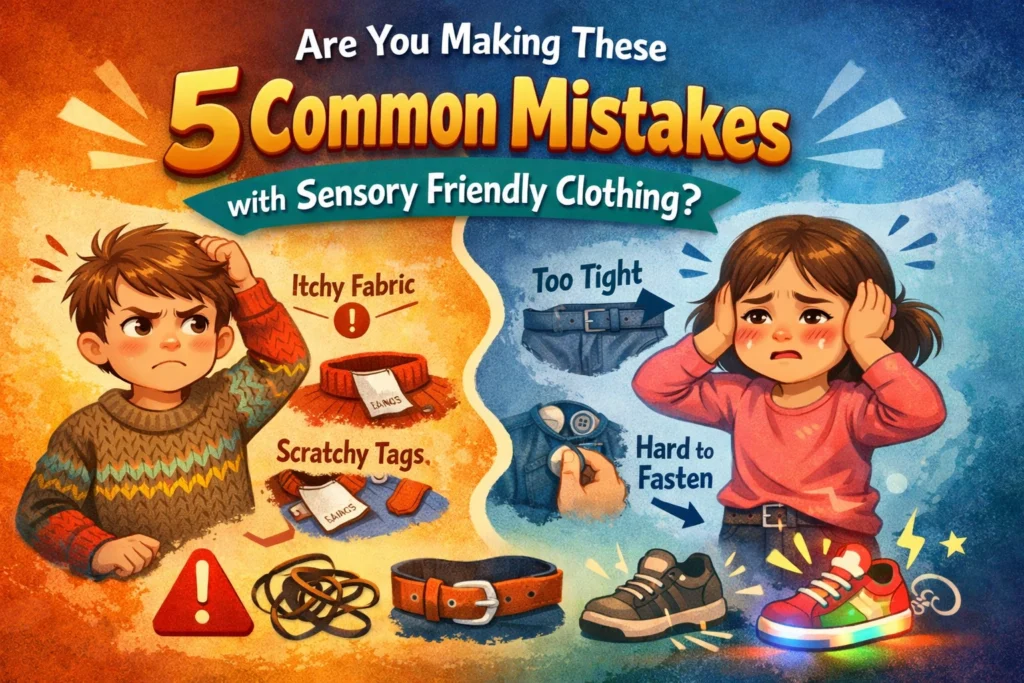
You've probably spent hours researching sensory friendly clothing. You've read the forums, joined the Facebook groups, and maybe even tried a few different brands. But if your child is still having meltdowns getting dressed in the morning, or they refuse to wear the "special" clothes you bought, you might be making one of these surprisingly common mistakes.
Let's talk about what actually works, and what doesn't, when it comes to clothing for sensory challenges.
Mistake #1: Choosing "Medical" Over Style
Here's the hard truth: kids don't want to look different. They want to look like their friends.
That medical-looking compression vest? The one that screams "sensory tool" from across the playground? Your child probably hates it. Not because it doesn't work, but because it makes them stand out in the worst way possible.
This is where the concept of "Stealth Stimming" changes everything.
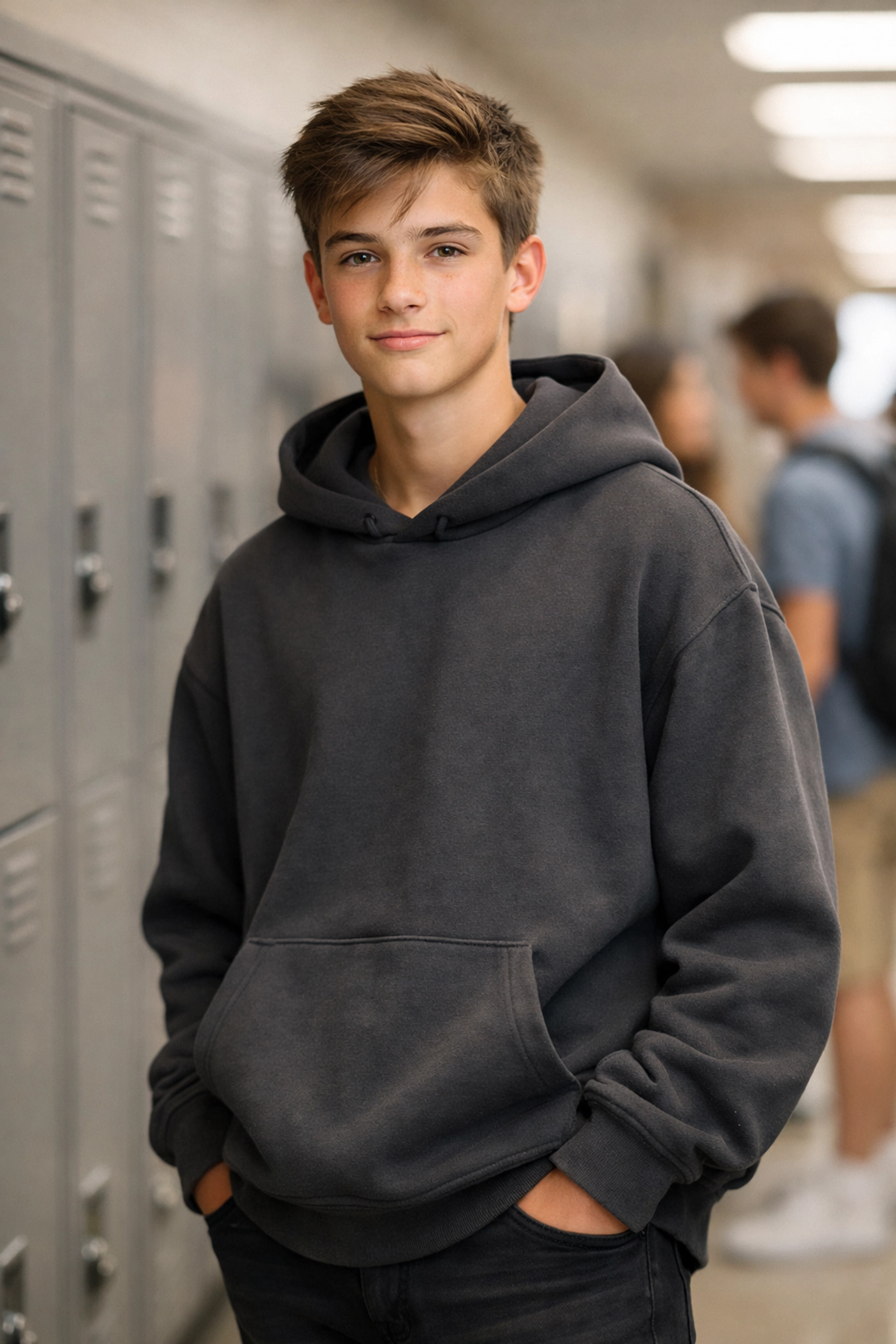
Think about it. Adults use fidget tools all the time, we just call them pens, coffee cups, or phone cases. No one blinks an eye when an adult clicks a pen repeatedly during a meeting. But when a child pulls out a "sensory toy," suddenly everyone notices.
The same principle applies to sensory clothing. When weighted clothing for sensory processing looks like something from a medical supply catalog, it becomes a label. When it looks like Fear of God Essentials or premium streetwear? It becomes invisible, in the best way possible.
Your child gets the regulation they need while feeling confident and cool. That's not a luxury. That's the whole point.
Mistake #2: Thinking "Soft" is Enough
A lot of parents start with the basics: soft fabrics, tagless clothing, flat seams. And yes, these things matter. They help reduce what we call "The Static": those constant, irritating sensory inputs that make everything feel overwhelming.
But here's what many people miss: softness alone doesn't provide enough feedback for the nervous system.
Think of it this way. Soft clothing removes friction and irritation, which is great. But for many kids with sensory processing differences, their nervous system is still searching for input. It's like they're floating untethered, unable to feel where their body is in space.
That's "The Drift."

This is where the "Gentle Tether" comes in: the calming pressure of weight or compression that helps a child feel grounded and present. It's not about squeezing or restricting. It's about providing that subtle, constant feedback that says, "You're here. You're safe. You're connected."
Soft bamboo fabric is wonderful. But soft bamboo fabric with evenly distributed weight? That's the difference between just removing irritation and actually providing regulation.
When you combine ultra-soft materials with gentle compression or strategically placed weight, you're addressing both the "Static" and "The Drift." That's when you see real results.
Mistake #3: Only Using Gear During a Meltdown
This is probably the biggest mistake we see.
Parents buy sensory clothing, then pull it out only when their child is already melting down. It's like bringing an umbrella after you're already soaking wet.
Sensory tools work best when used proactively, not reactively.
By the time your child is in full meltdown mode, their nervous system is flooded with stress hormones. Their brain has shifted into fight-or-flight. At that point, even the most effective sensory clothing is playing catch-up.
The goal is to prevent "The Drift" before it starts. That means incorporating sensory clothing into the daily routine: especially during transitions and high-stress moments.
School drop-off. Grocery shopping. Family gatherings. These are the times when your child needs their weighted hoodie most, not after everything has already fallen apart.
Think of it like this: you don't wait until you're exhausted to sleep, or until you're starving to eat. Sensory regulation works the same way. It's about maintaining balance, not constantly recovering from dysregulation.
Mistake #4: Ignoring the Transition to Teenhood
What works for a seven-year-old doesn't work for a fourteen-year-old.
Younger kids might be okay with bright colors, fun patterns, or obviously "special" clothing. But as children grow into teens, the social stakes get higher. Fitting in becomes crucial to their mental health and self-esteem.
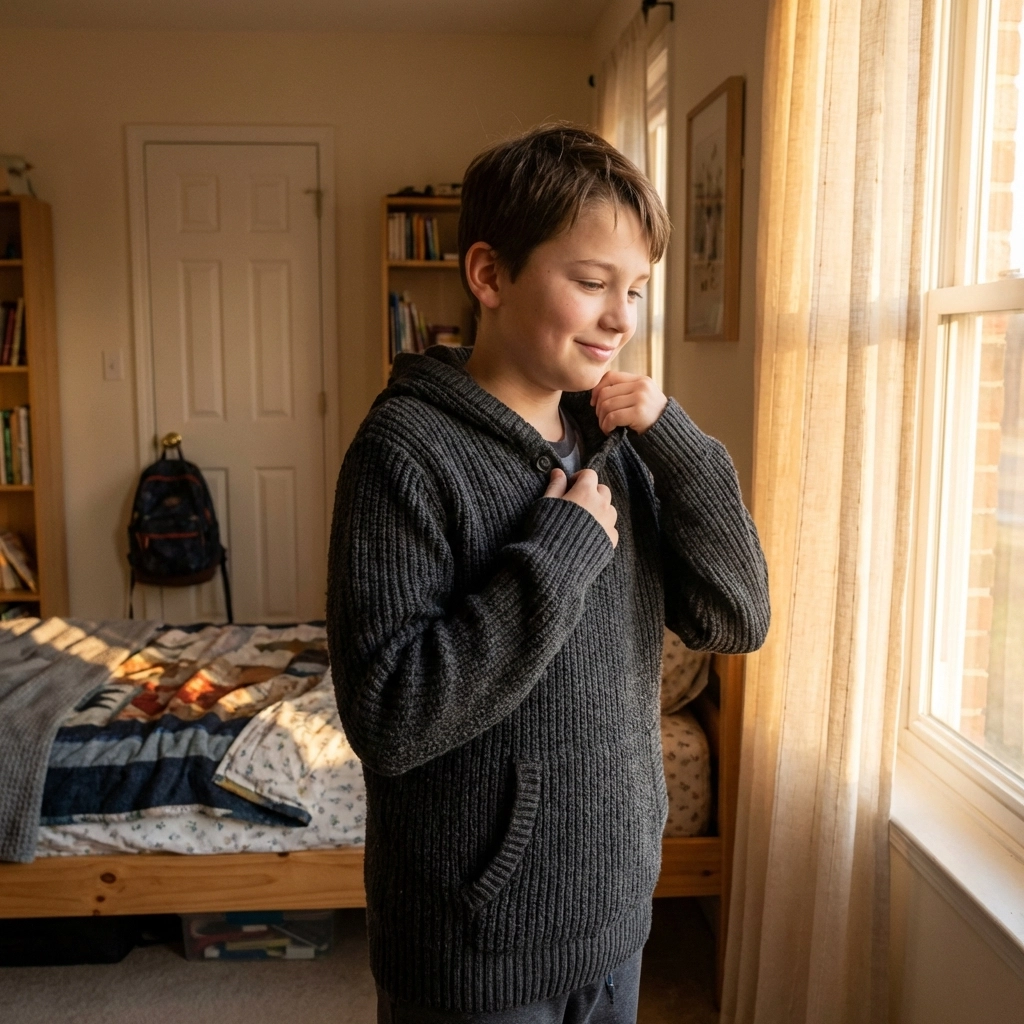
This is where a lot of sensory clothing brands completely miss the mark. They keep making the same childish designs for older kids, then wonder why teens refuse to wear them.
Teenagers need premium, high-end aesthetics. Think Fear of God Essentials, not pediatric rehab center.
The styling matters just as much as the sensory features. Muted colors. Clean lines. Quality construction. Designs that look like they belong in an upscale streetwear store, not a medical catalog.
When a teen can walk into school wearing stealth stimming clothes that look exactly like what the popular kids are wearing, you've removed a massive barrier to compliance. They'll actually want to wear their sensory clothing instead of hiding it in the bottom of their backpack.
Mistake #5: Not Considering the "Static" of the Shopping Experience Itself
Here's something most people don't think about: the shopping experience itself can be a sensory nightmare.
Fluorescent lights. Crowded aisles. Loud music. Strangers bumping into you. That scratchy changing room. Being forced to try on multiple items while already feeling overwhelmed.
For a child with sensory processing challenges, a trip to the mall isn't just inconvenient: it's actively harmful. And that's before you even get to the part where nothing fits right and everything has scratchy tags.
This is why buying sensory friendly clothing online from specialized brands is such a game-changer.
No overwhelm. No sensory assault. No meltdowns in the fitting room. Just clear information, detailed sizing, and clothes designed specifically for sensory challenges delivered right to your door.
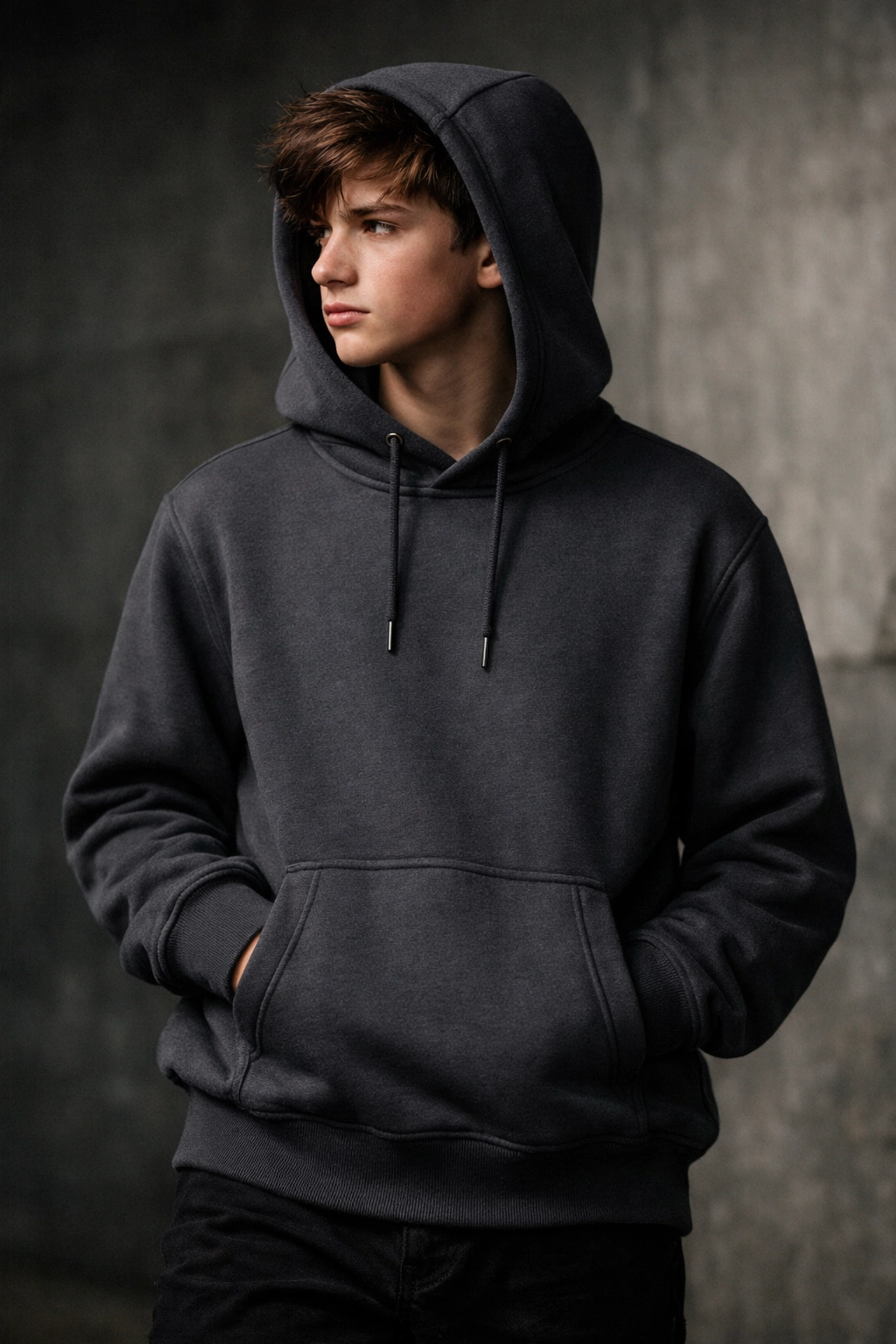
Plus, brands that specialize in sensory clothing understand what actually matters. They've already removed the tags, used flat seams, chosen soft fabrics, and built in the weight or compression your child needs. You're not hunting through racks hoping to find something that might work. You're choosing from options that are designed from the ground up for your child's nervous system.
What Actually Works
So if these are the mistakes, what's the solution?
Choose sensory clothing that provides both form and function. Look for pieces that offer the "Gentle Tether" of weight or compression while looking like premium casual wear. Prioritize brands that understand "Stealth Stimming": the idea that therapeutic clothing should be invisible to everyone except the person wearing it.
Use sensory tools proactively. Make weighted hoodies and compression wear part of the daily routine, especially during transitions and challenging situations.
Respect your child's need to fit in. As they get older, style becomes increasingly important. That's not vanity: that's human development. Choose sensory clothing that reflects where they are, not where they used to be.
Skip the sensory assault of traditional shopping. Buy from trusted, sensory-focused brands online. Read reviews from other parents of sensory-challenged kids. Find what works, then stick with it.
The right sensory friendly clothing doesn't just reduce discomfort. It provides active regulation, helps prevent "The Drift," and allows your child to move through their day feeling grounded, capable, and confident.
And most importantly? It lets them look like themselves: not like someone wearing medical equipment.
That difference matters more than you might think.